Drawer II of VII
Orchids
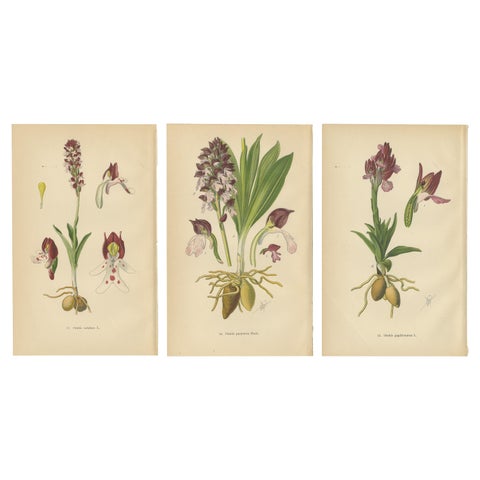
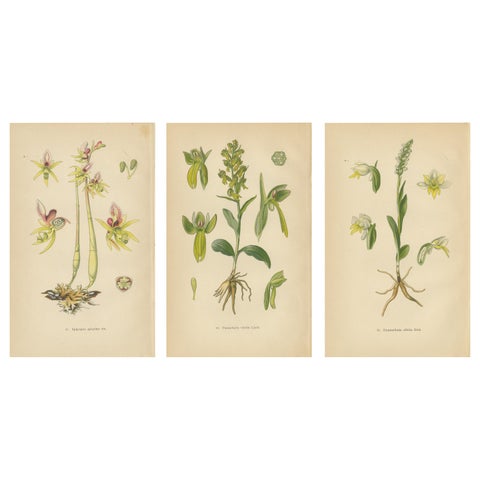
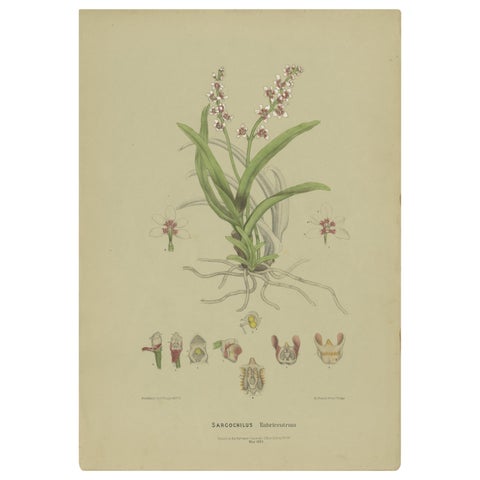
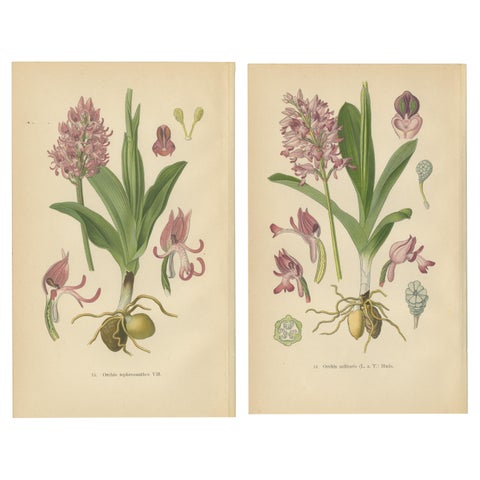
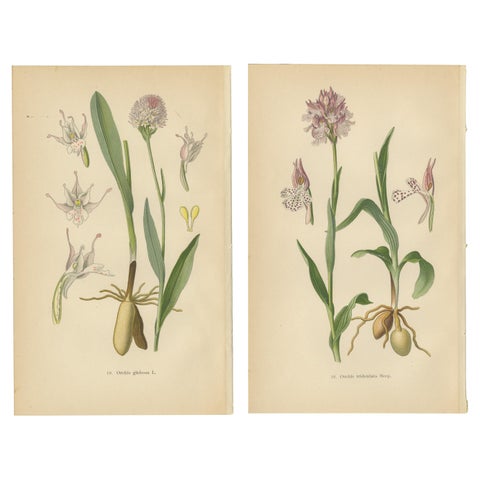
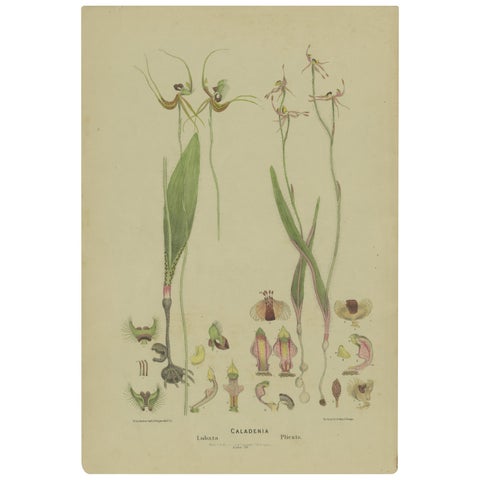
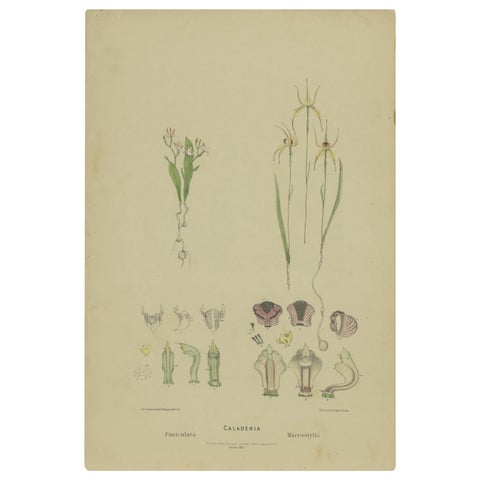
Orchids in print: the giant chromolithographs of Sander's Reichenbachia, Odontoglossum, Cattleya and Dendrobium from the 1880s, the orchids of the Dutch East Indies, Australian terrestrial orchids and the wild orchids of Germany from Müller's 1904 flora.
61 prints
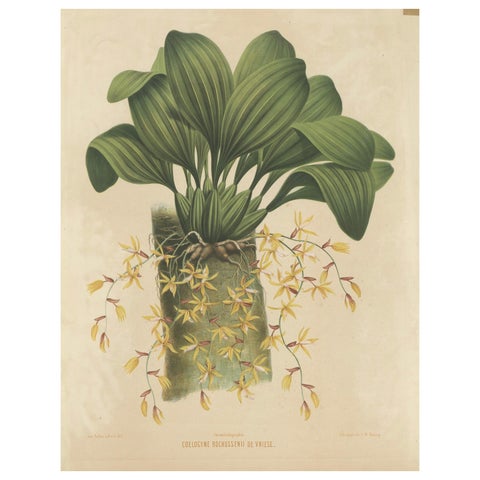
1854 · 54 × 72 cm
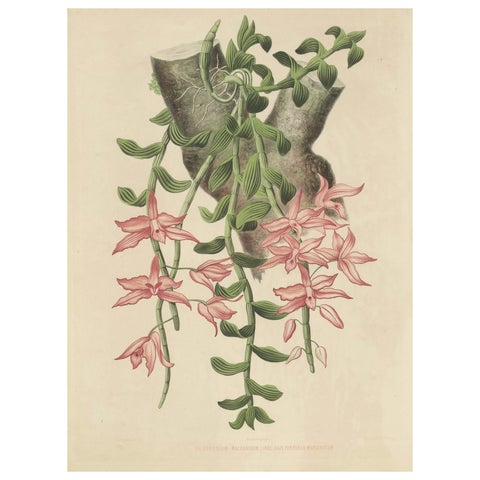
1854 · 54 × 72 cm
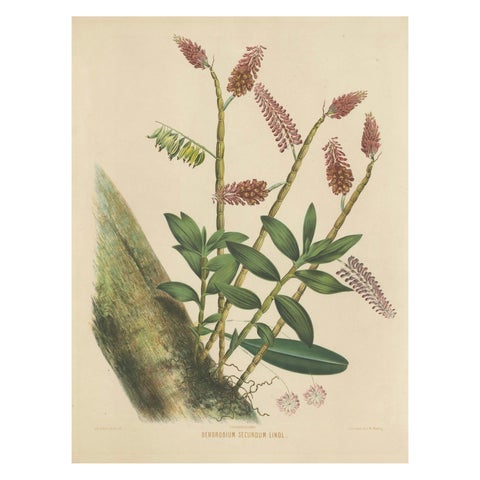
1854 · 54 × 72 cm
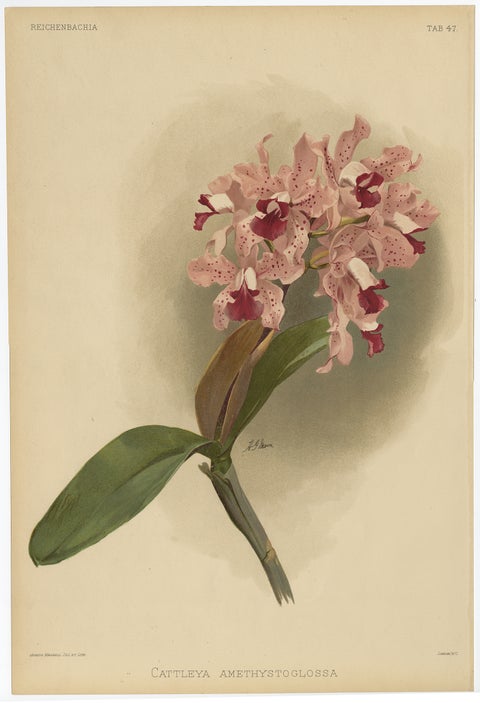
1888 · 35 × 52.5 cm
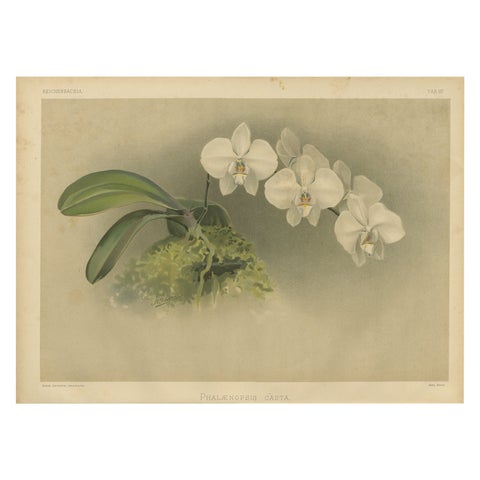
1888 · 52.5 × 35 cm
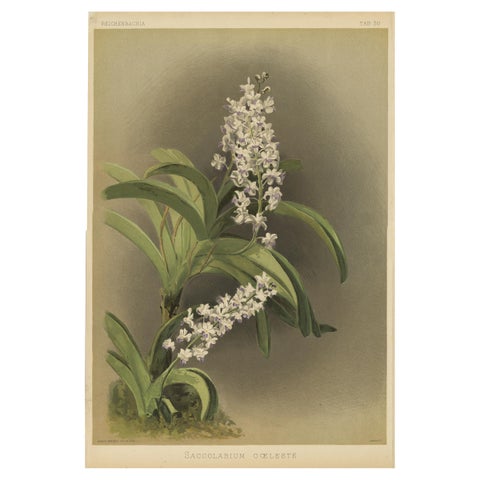
1888 · 35 × 52.5 cm
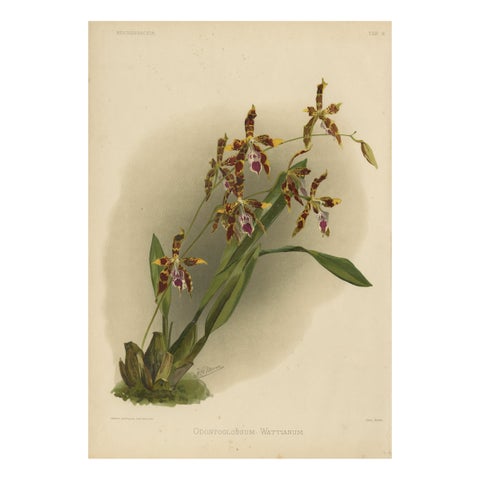
1888 · 35 × 52.5 cm
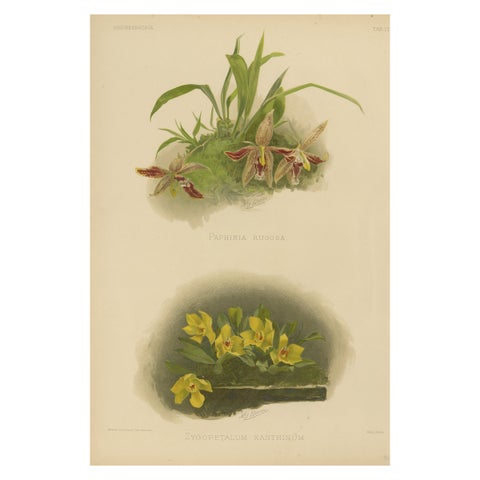
1888 · 35 × 52.5 cm
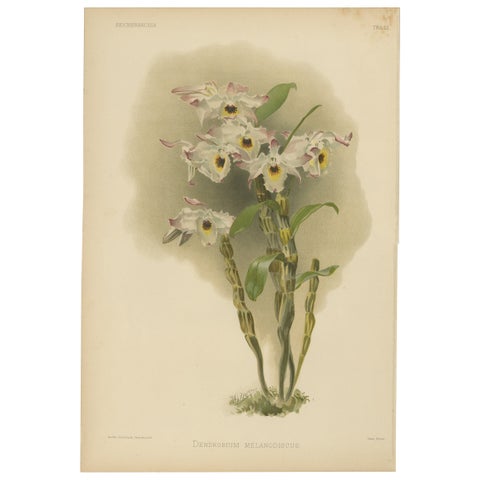
1888 · 52.5 × 35 cm
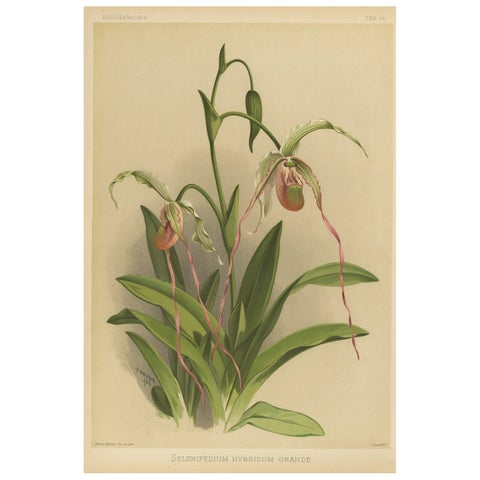
1888 · 35 × 52.5 cm
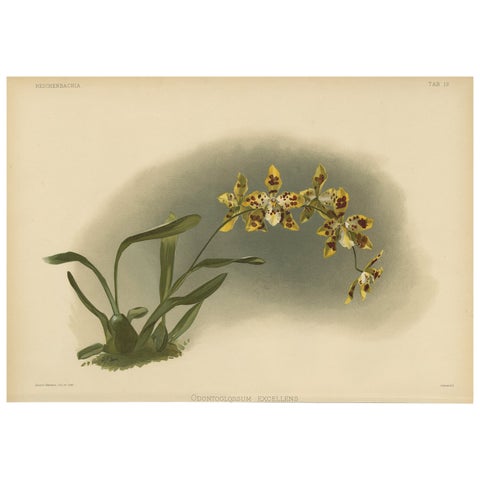
1888 · 52.5 × 35 cm
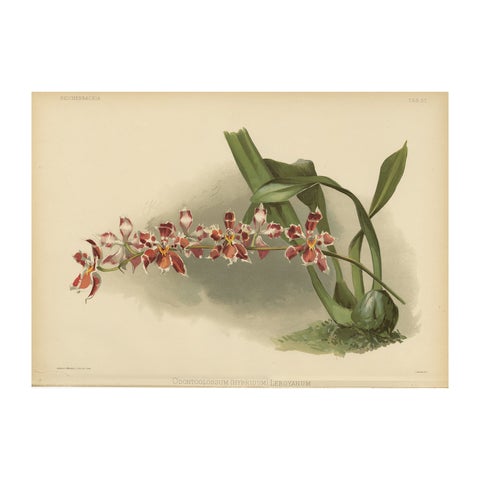
1888 · 52.5 × 35 cm
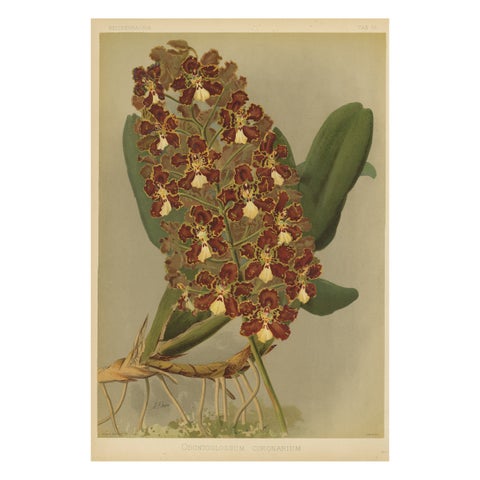
1888 · 35 × 52.5 cm
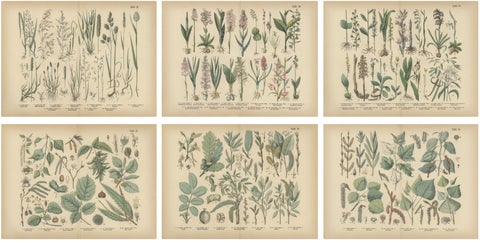
1885 · 42 × 32 cm
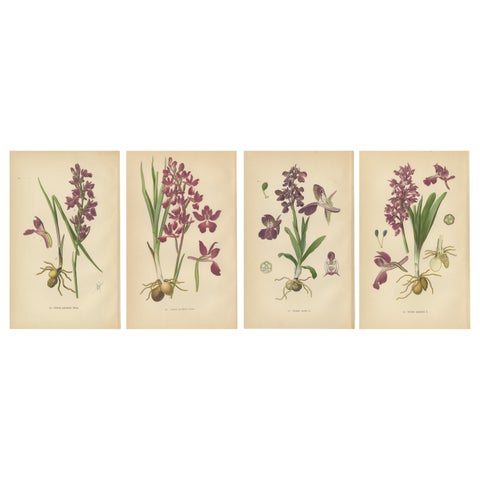
1904 · 15 × 24 cm
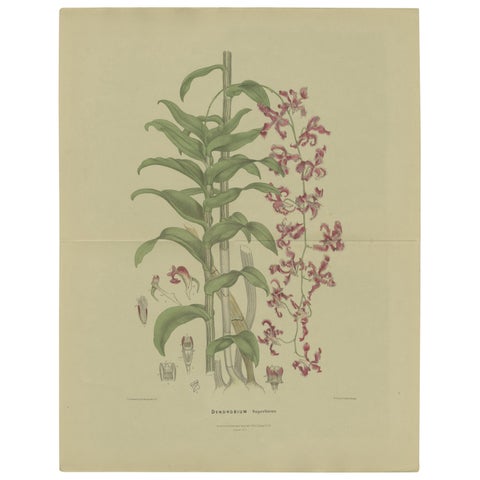
1890 · 49 × 63.5 cm
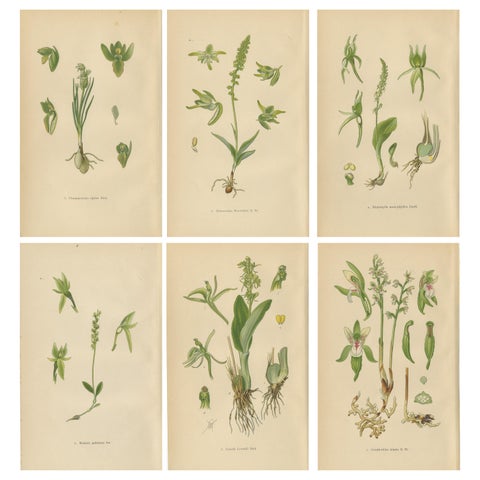
1904 · 15 × 24 cm
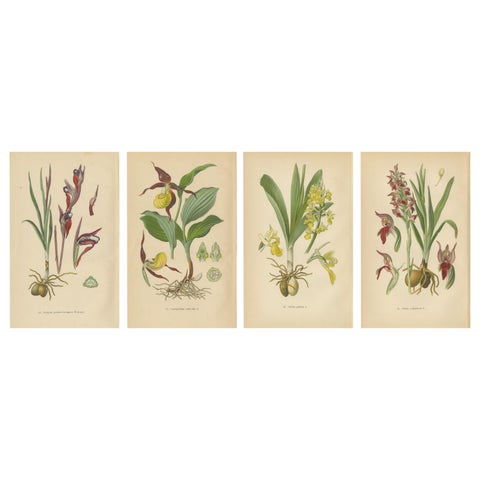
1904 · 15 × 24 cm
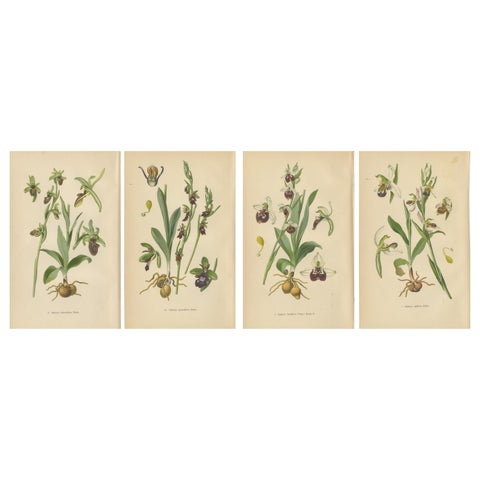
1904 · 15 × 24 cm
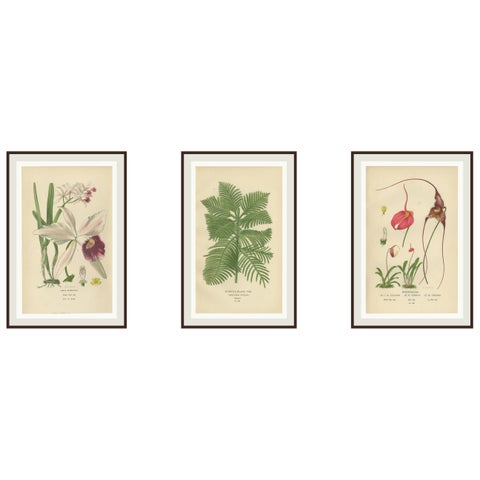
1897 · 15.9 × 24 cm
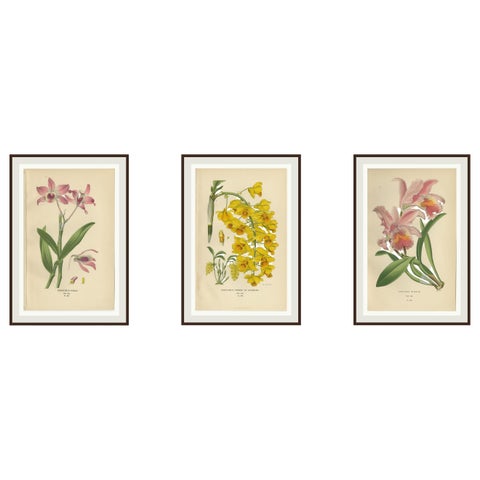
1897 · 15.9 × 24 cm
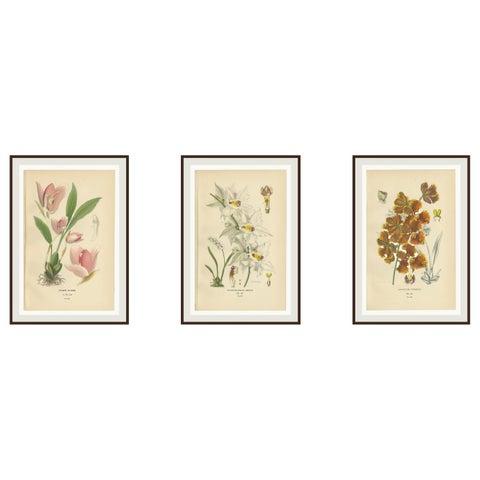
1897 · 15.9 × 24 cm
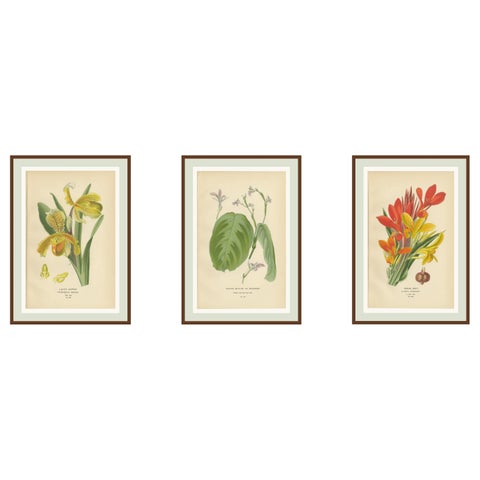
1897 · 15.9 × 24 cm
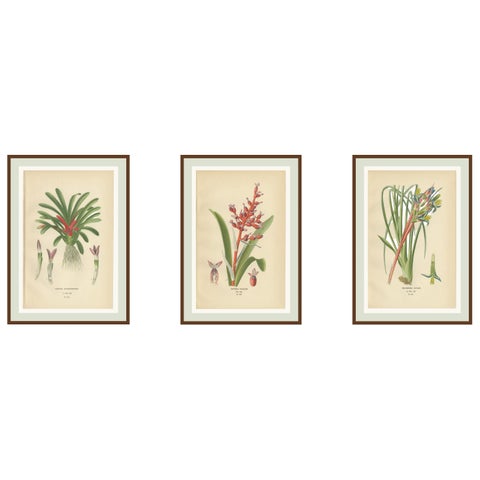
1897 · 15.9 × 24 cm
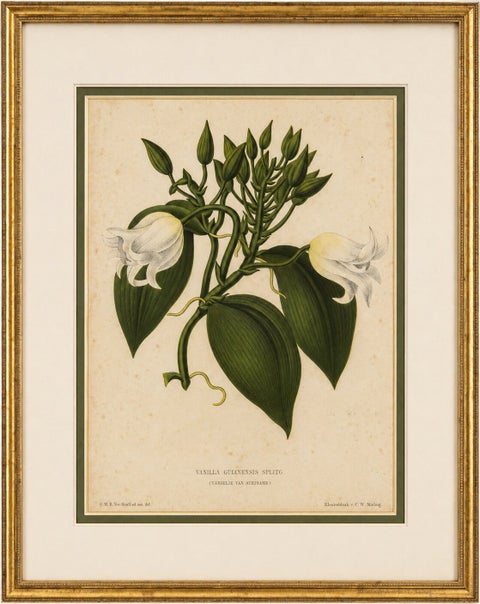
1856 · 24.7 × 31.2 cm
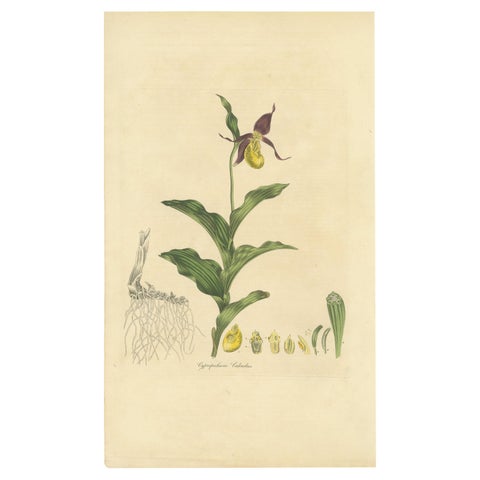
1817 · 29 × 48.5 cm
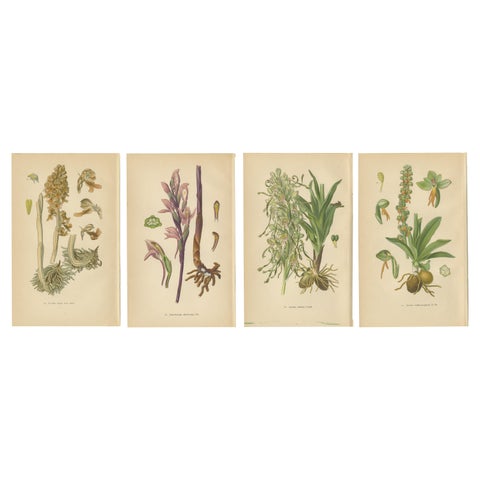
1904 · 15 × 24 cm
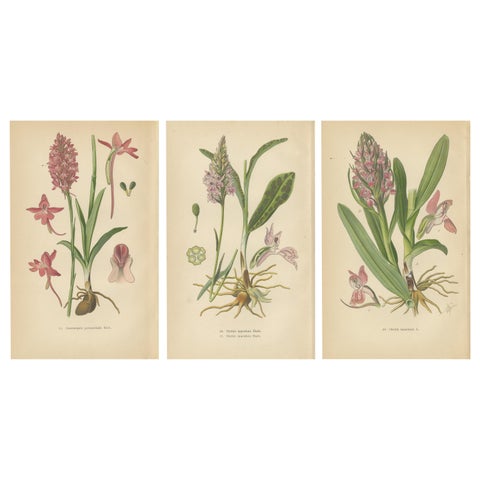
1904 · 15 × 24 cm
1904 · 15 × 24 cm
1904 · 15 × 24 cm
1888 · 35 × 52.5 cm
1884 · 33 × 49.5 cm
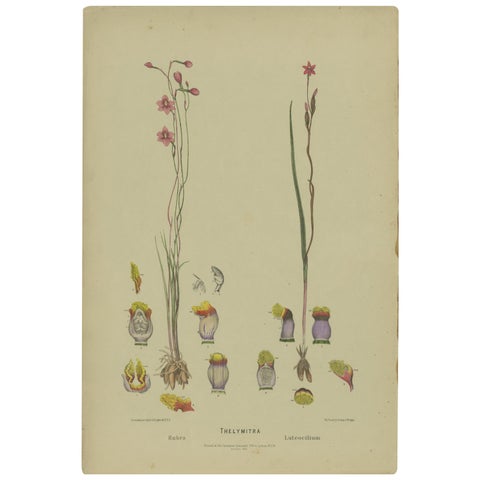
1884 · 33 × 49.5 cm
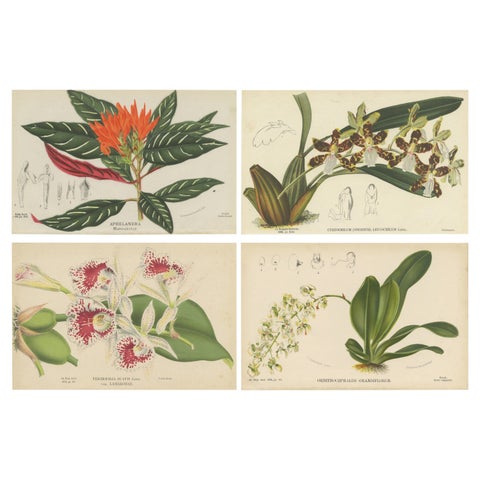
1880 · 25 × 16.5 cm
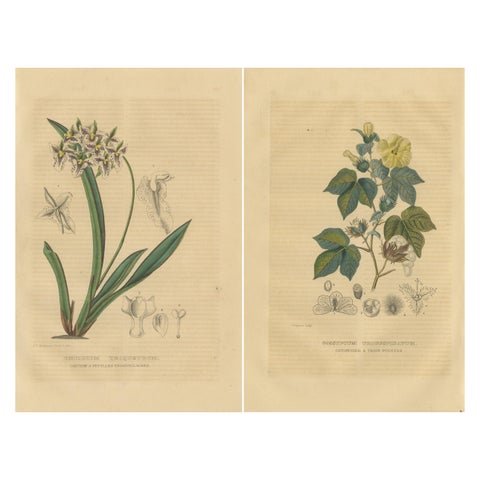
1845 · 17 × 26.5 cm
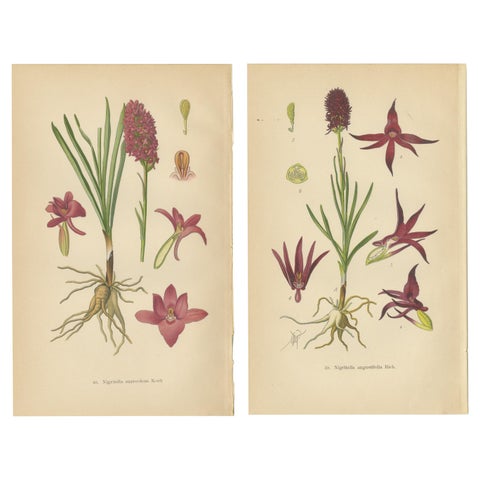
1904 · 15 × 24 cm
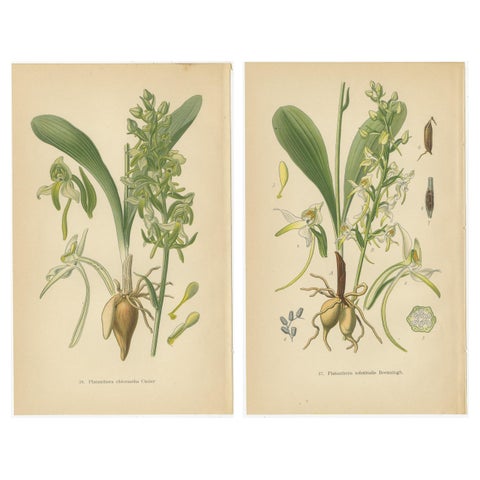
1904 · 15 × 24 cm
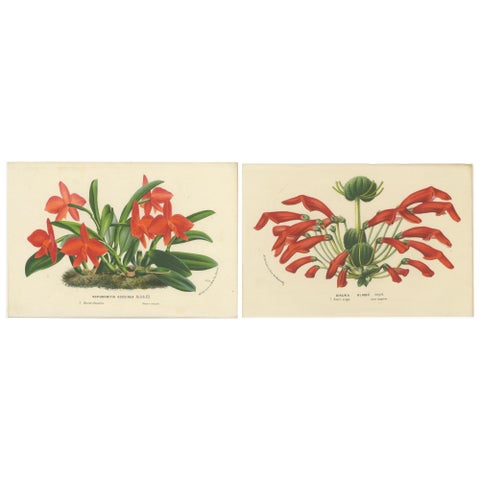
1845 · 25 × 17 cm
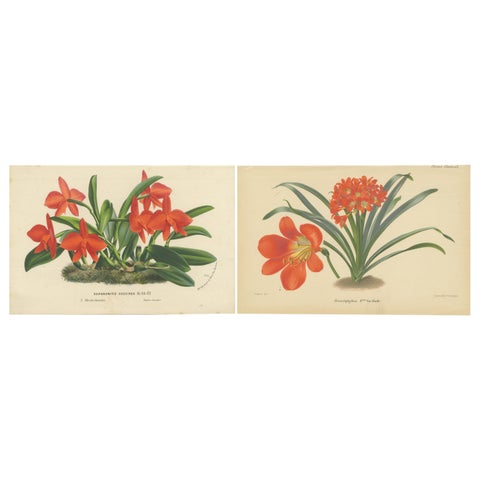
1875 · 25 × 16.3 cm
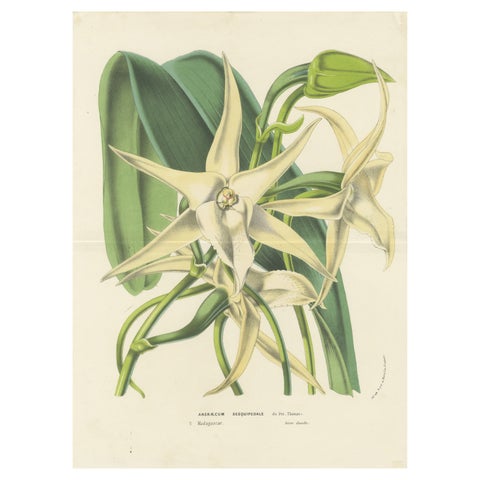
1855 · 24.5 × 33 cm
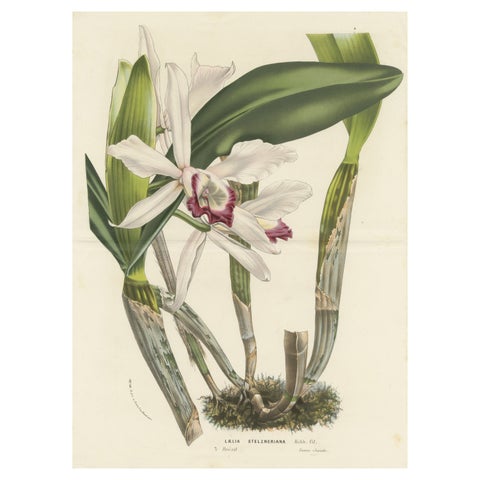
1855 · 24.5 × 33 cm
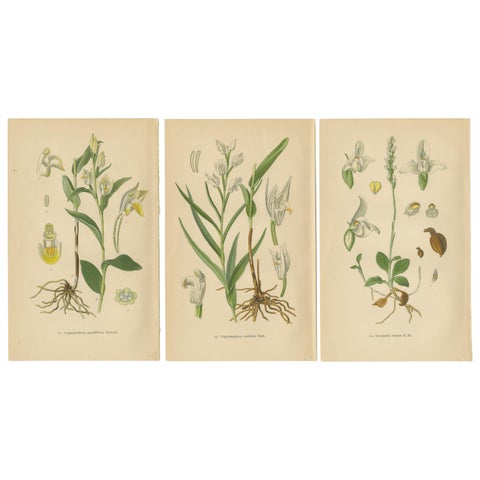
1904 · 15 × 24 cm
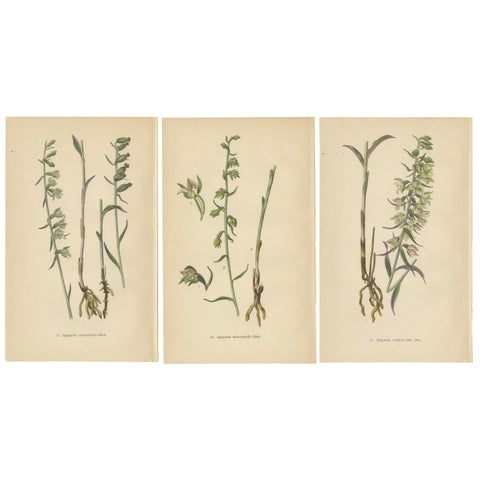
1904 · 15 × 24 cm
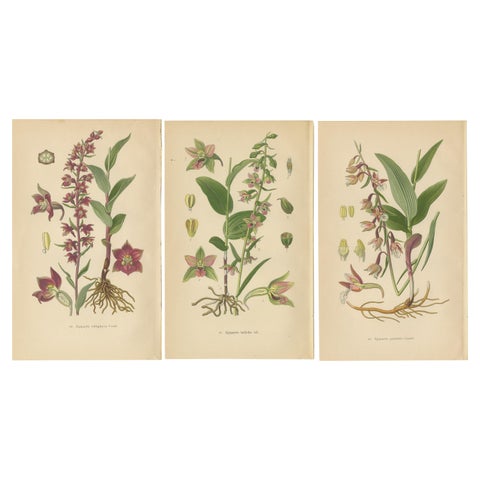
1904 · 15 × 24 cm
1904 · 15 × 24 cm
1904 · 15 × 24 cm
1884 · 33 × 49.5 cm
1884 · 33 × 49.5 cm
About orchids
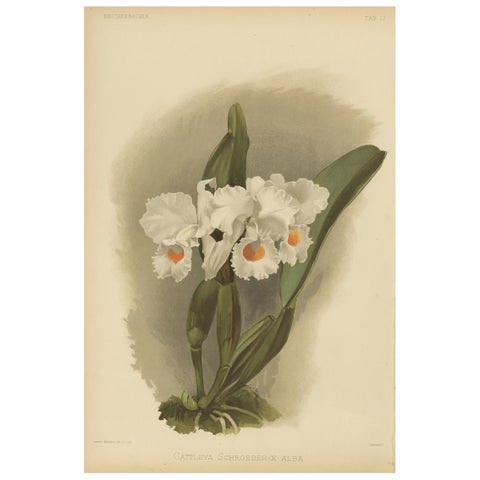
Orchid fever gripped Europe in the 19th century. Collectors sent plant hunters into the forests of South America and Asia, and the finest orchids were painted for books as costly as the plants themselves. The grandest is Frederick Sander's Reichenbachia (1888 to 1894), whose huge chromolithographs of Odontoglossum and Cattleya are among the largest botanical plates ever printed.
This drawer also holds the orchids of the Dutch East Indies, Australian terrestrial orchids of the 1880s, and Walter Muller's precise plates of the wild orchids of Germany and the Alps (1904).
Explore
By maker, by plant and by place.
Makers and books
Subjects
Questions about orchids
What is Reichenbachia?
Reichenbachia: Orchids Illustrated and Described, published by the orchid grower Frederick Sander in London and St Albans from 1888 to 1894 and named after the botanist H.G. Reichenbach. Its 192 chromolithographs after Henry George Moon are celebrated for their size and colour.