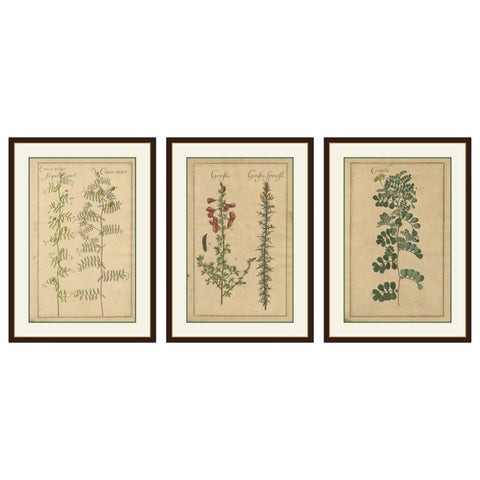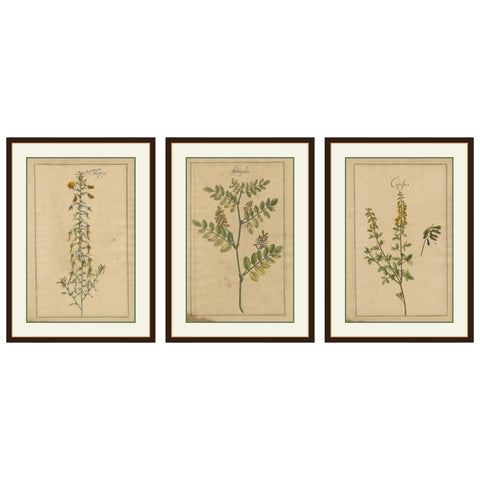
Original Botanical Prints · Flowers
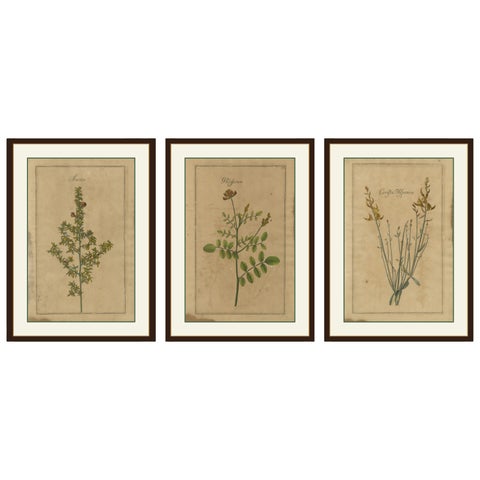
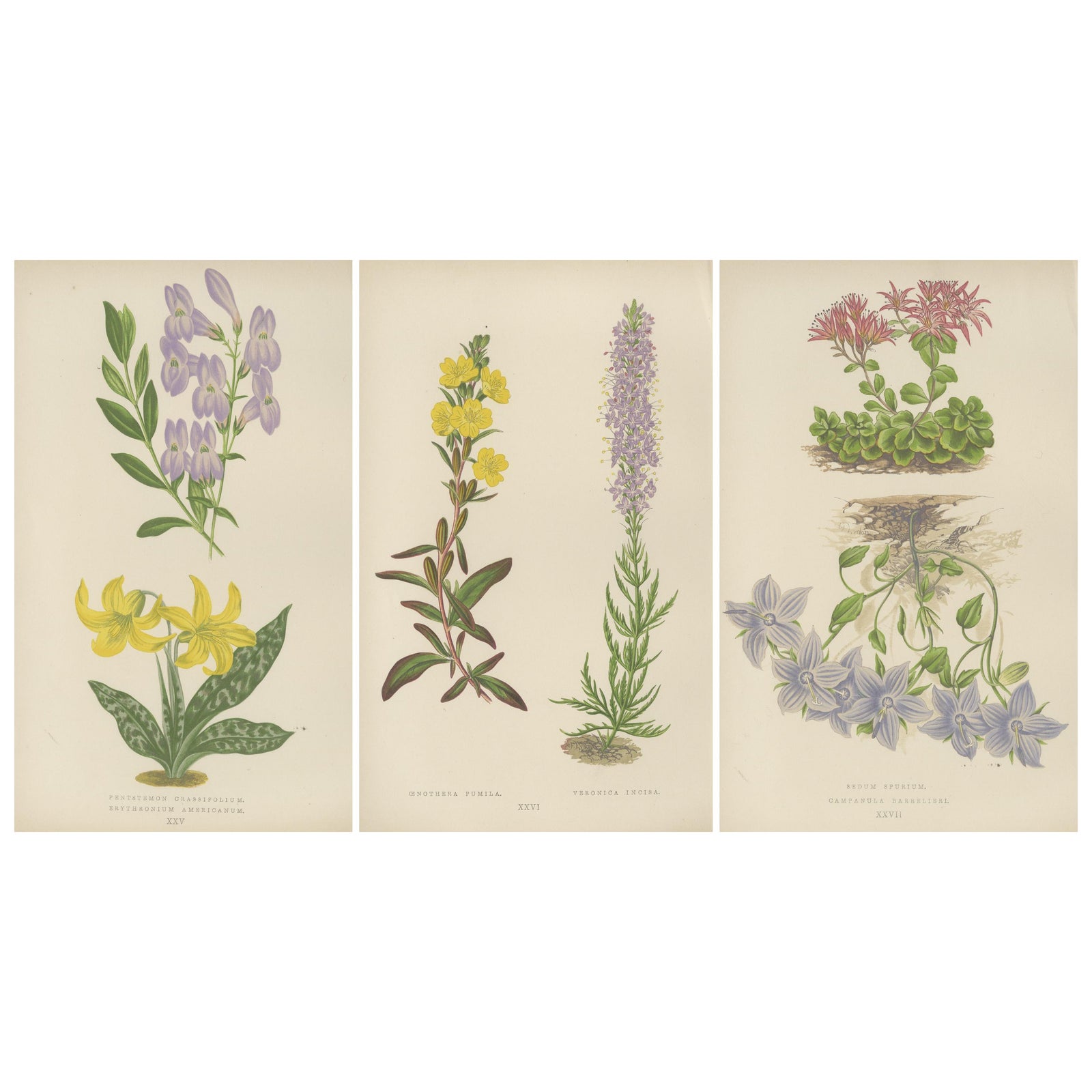
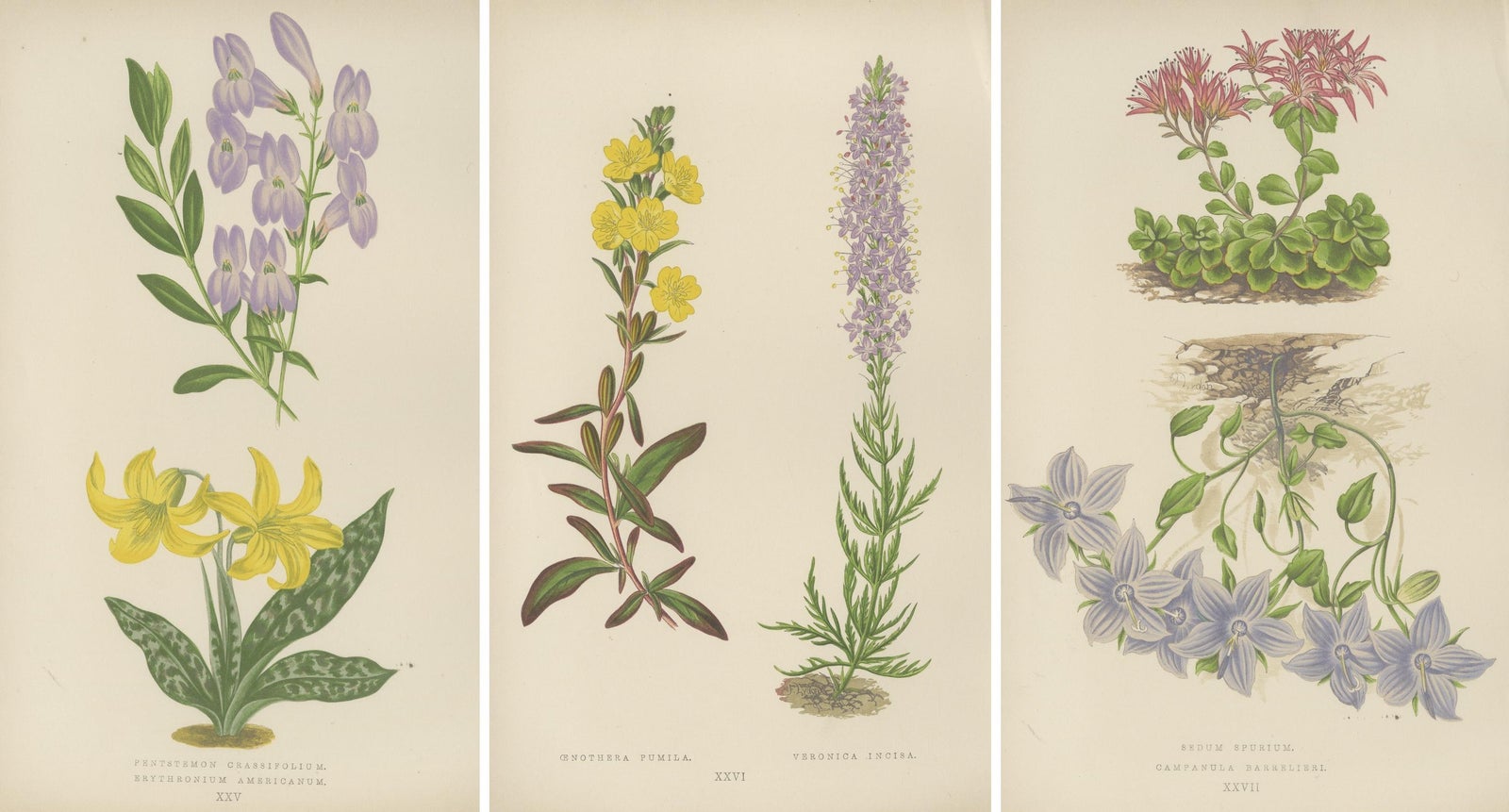
Antique Botanical Triptych with Erythronium Americanum and Bellflower c1870
No. f_44894242187016.5 × 24.9 cm
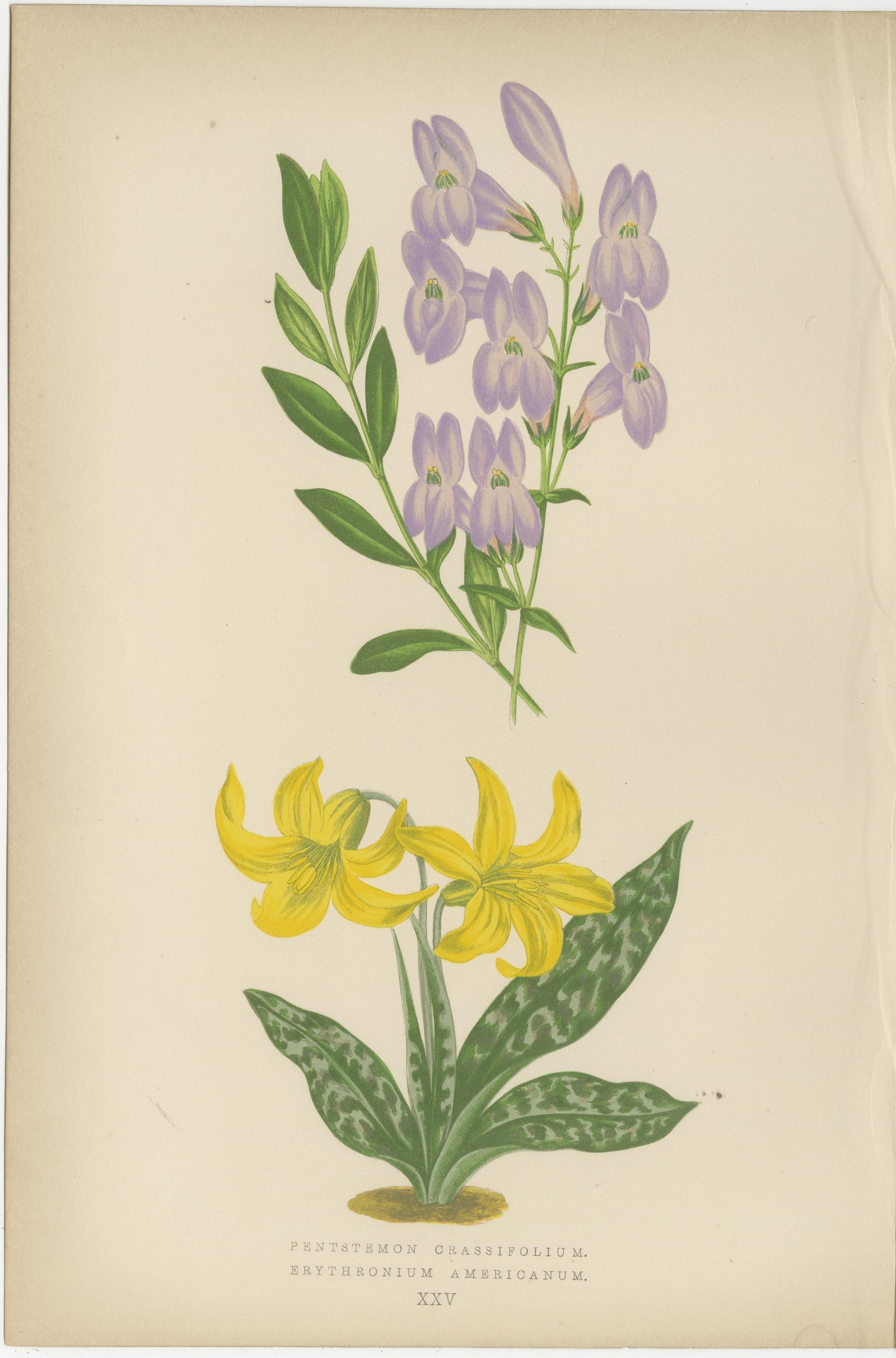
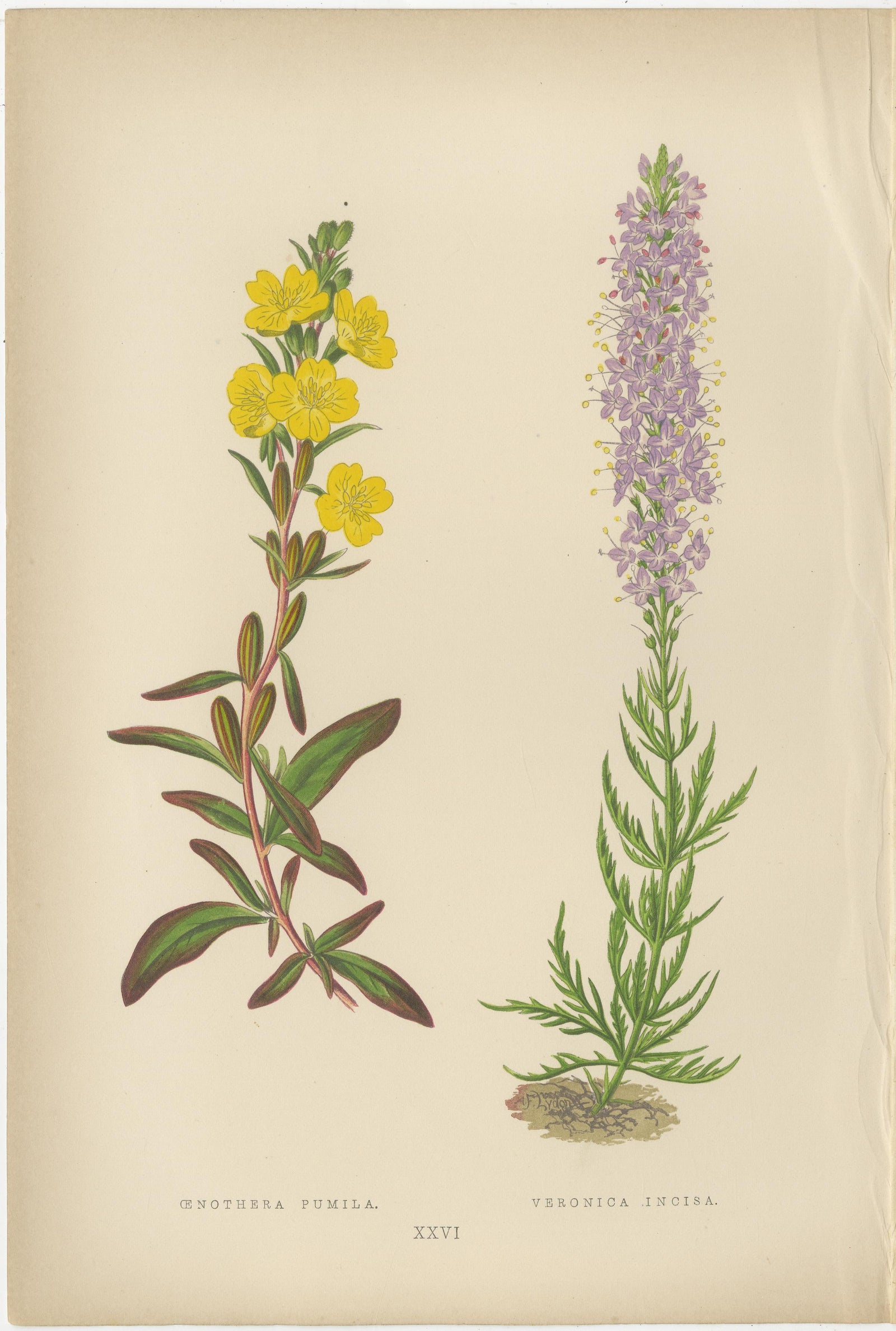
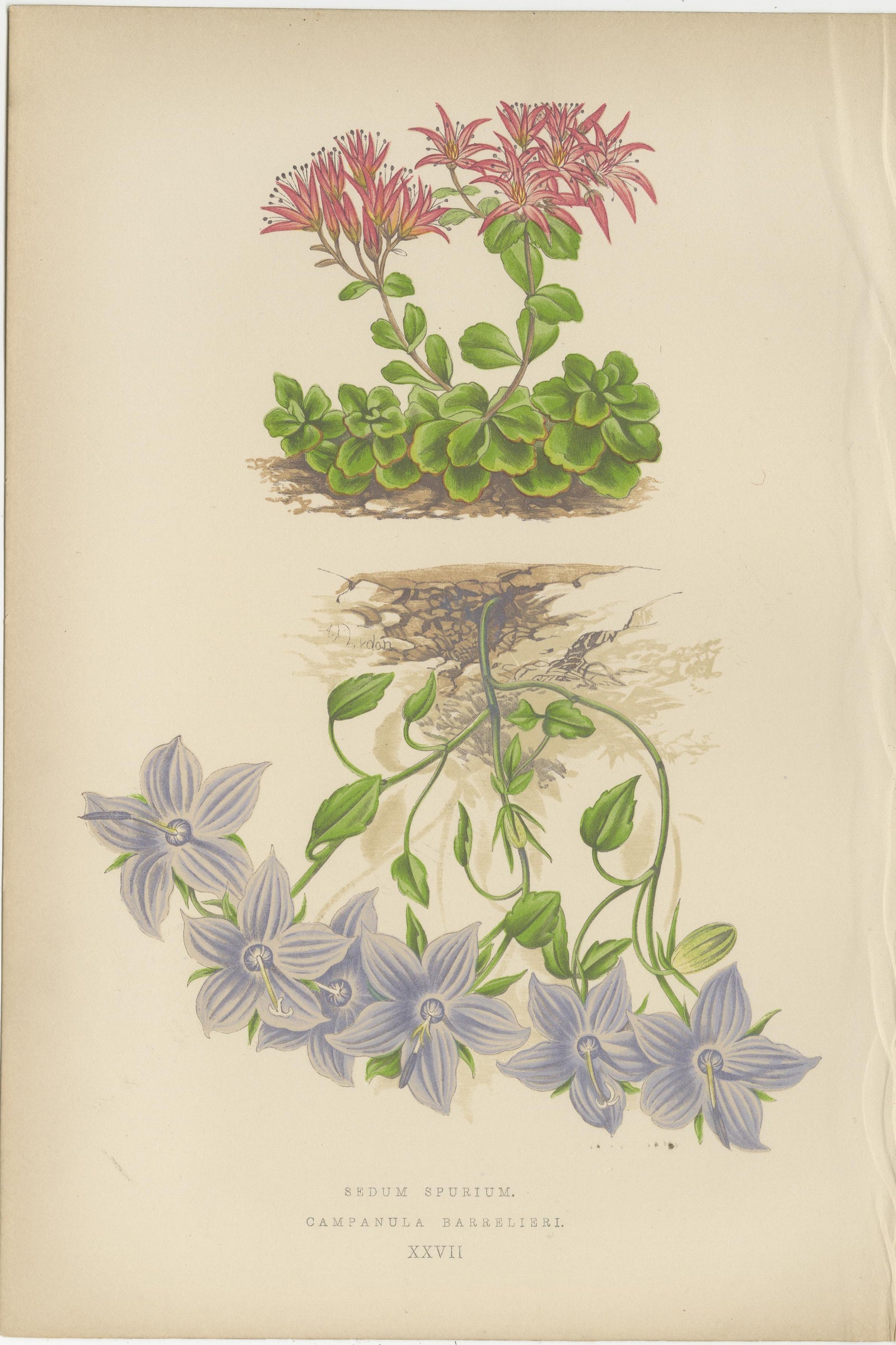
Close-ups
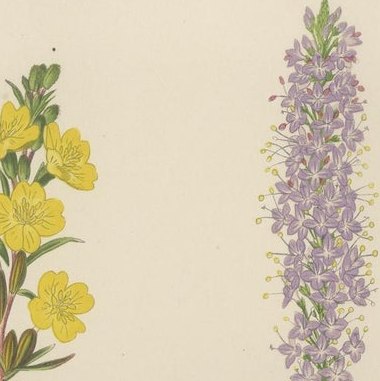
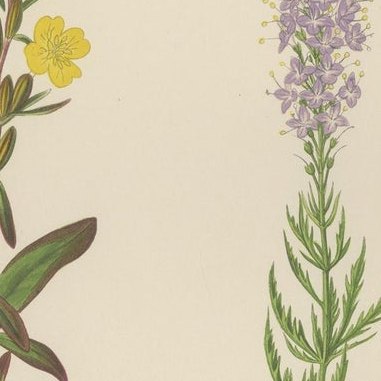
Framed and on the wall
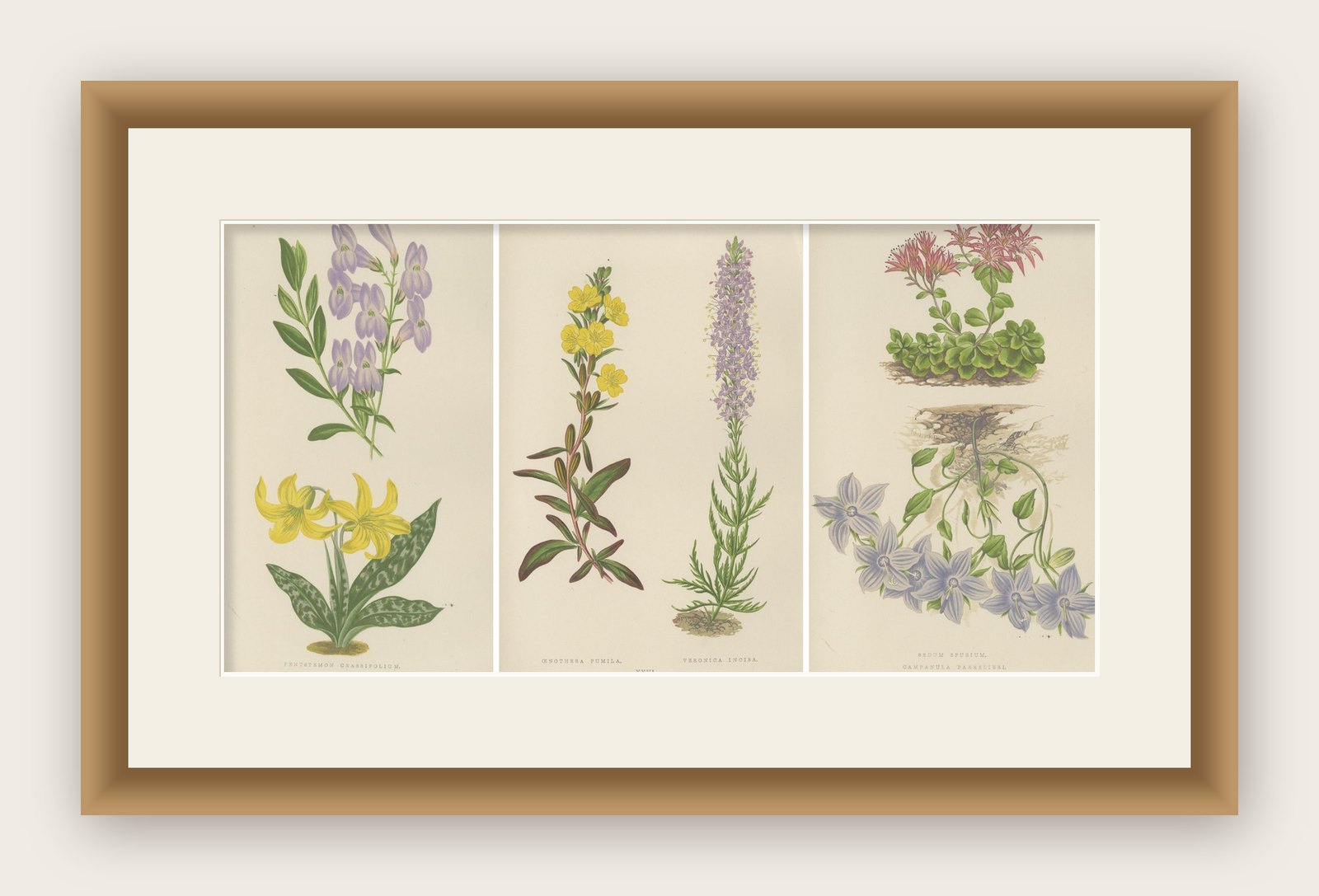
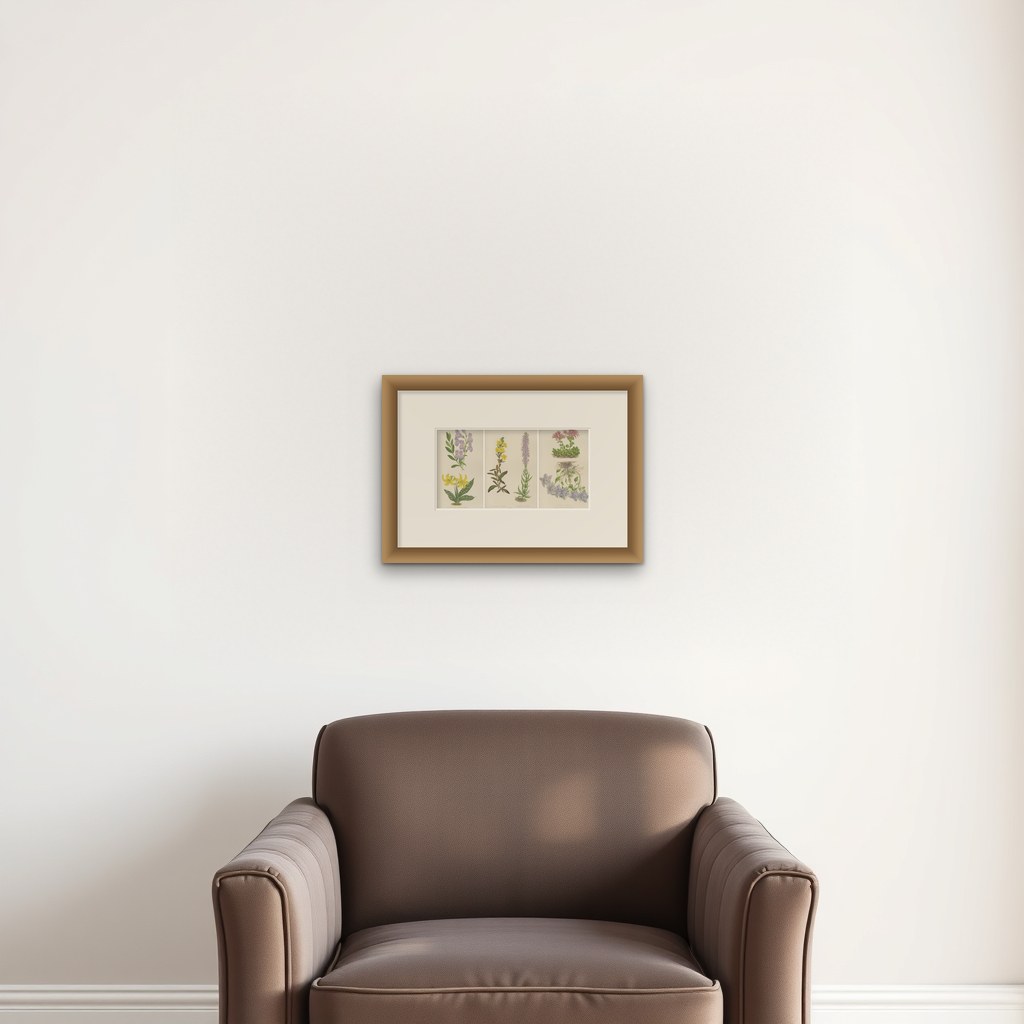

Frame and rooms are illustrations of how the print could look, drawn to its real size; it is sold unframed unless the description says otherwise.
Flowers
Antique Botanical Triptych with Erythronium Americanum and Bellflower c1870
€290
$325 · £245
Original print, not a reproduction
A set of 3 sheets, sold together as one piece at this price. See all sets
Ships worldwide from the Netherlands, flat, insured and tracked. 14-day returns. To buy, use Ask a question (info@originalbotanicalprints.com) and we will reserve it for you.
- Date
- 1870
- Sheet size
- 9.8 × 6.5 in (24.9 × 16.5 cm)
- Condition
- Good. Good condition with vibrant colours and light age toning at edges. Wrinkled on the right borders but mostly outside the framing areas. Study the images carefully.
- Collection
- Flowers
- Era
- 1850 and after, Chromolithographs and plant hunters
- Stock no.
- f_44894242
Title:
Antique Botanical Triptych with Erythronium Americanum and Bellflower c1870
Description:
This exquisite botanical triptych features three finely detailed chromolithographs from the late 19th century, each showcasing rare and delicate alpine and garden flora. These prints originate from one of the most celebrated botanical illustration series of the Victorian era. Originally drawn by the artist A. F. Lydon and published by Benjamin Fawcett in England circa 1870, these plates were part of a richly illustrated volume highlighting alpine flowering plants, printed with meticulous attention to color and form.
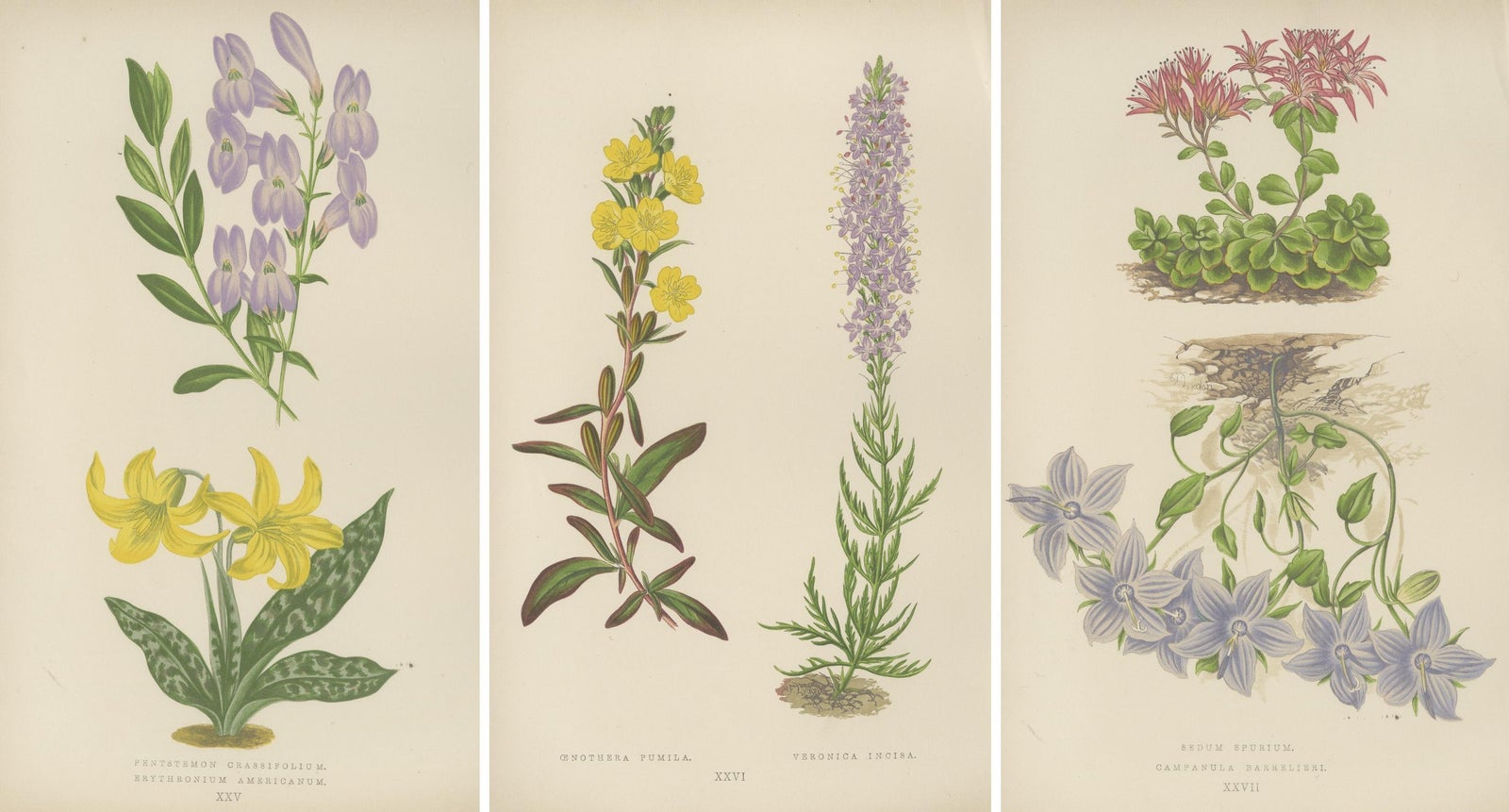
The plants depicted across these three joined plates include Penstemon crassifolium, commonly known as thick-leaved penstemon; Erythronium americanum, also known as yellow trout lily or dogtooth violet; Oenothera pumila, or dwarf evening primrose; Veronica incisa, an early-flowering speedwell; Sedum spurium, known as Caucasian stonecrop; and Campanula barrellieri, a rare bellflower variety often seen growing among rocky European terrains.
Each flower is shown in its natural habit with vibrant yet soft coloration that retains the original chromolithographic charm. The accuracy and style reflect the Victorian fascination with botanical study and the popularity of alpine gardens during that period. Lydon’s work was renowned for its clarity and the way it harmoniously blended scientific accuracy with artistic beauty, making his illustrations as suitable for naturalists as for interior decorators.
Condition:
The overall condition of this set is very good. The colors remain rich and unfaded, and the paper shows only light, expected age toning. There are no tears or foxing visible in the print area. The plates have been carefully combined into a horizontal triptych format with clean white spacing between each sheet to create a visually balanced and elegant presentation.
Framing Advice:
For framing, a pale cream or off-white mat will complement the aged paper while highlighting the pastel tones in the illustrations. A thin gold or natural oak wooden frame would enhance the antique character, whereas a light grey or soft green frame could lend a more contemporary and fresh botanical feel. To preserve the colors, use museum glass with UV protection and avoid placing the artwork in direct sunlight. A triptych presentation like this works beautifully as a central feature above a console table or in a conservatory, hallway, or study.
This unique presentation offers both historical depth and decorative appeal, making it an ideal piece for collectors of antique botanical art or those wishing to add a refined natural touch to their interior.
Explore