Original Botanical Prints · Trees, palms & ferns
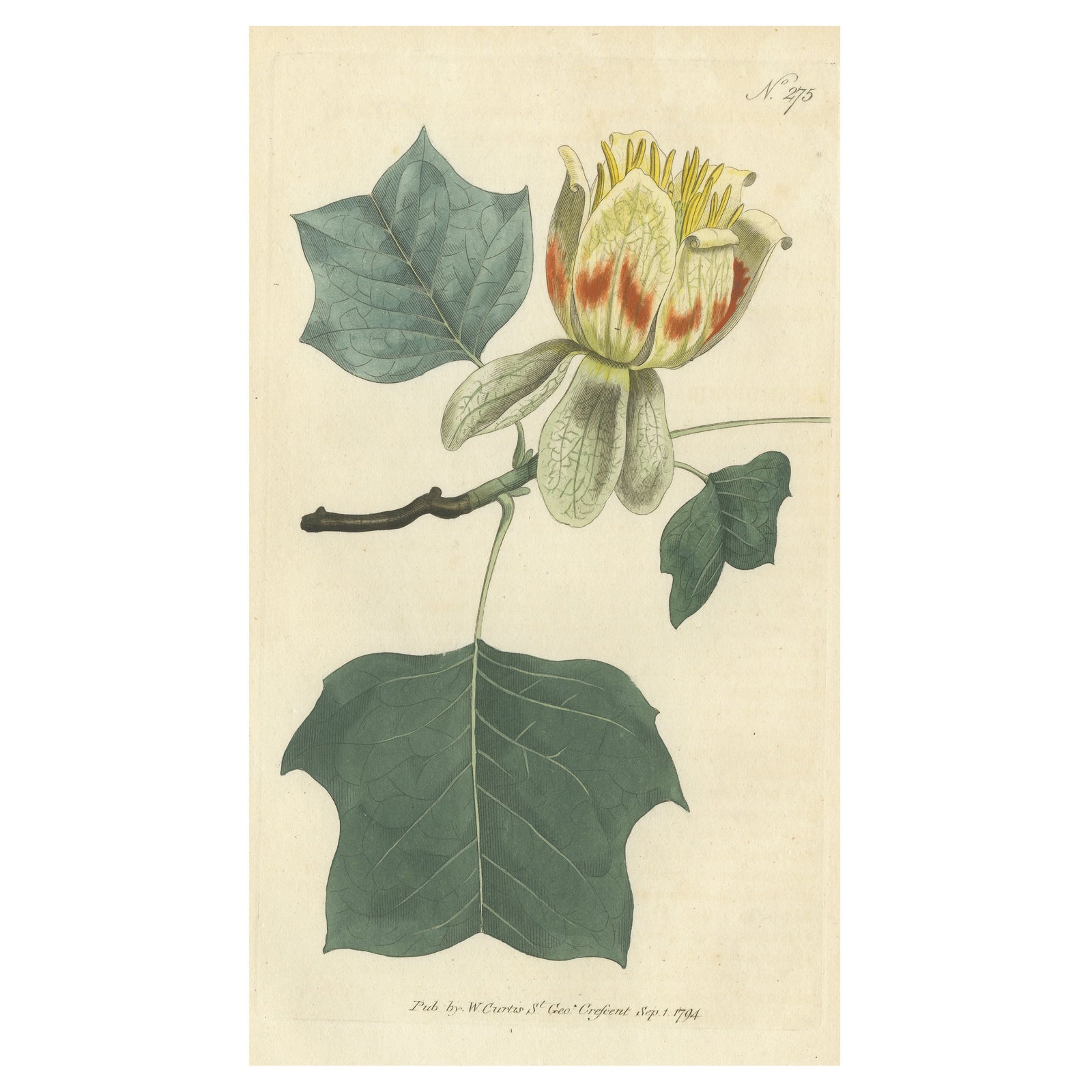
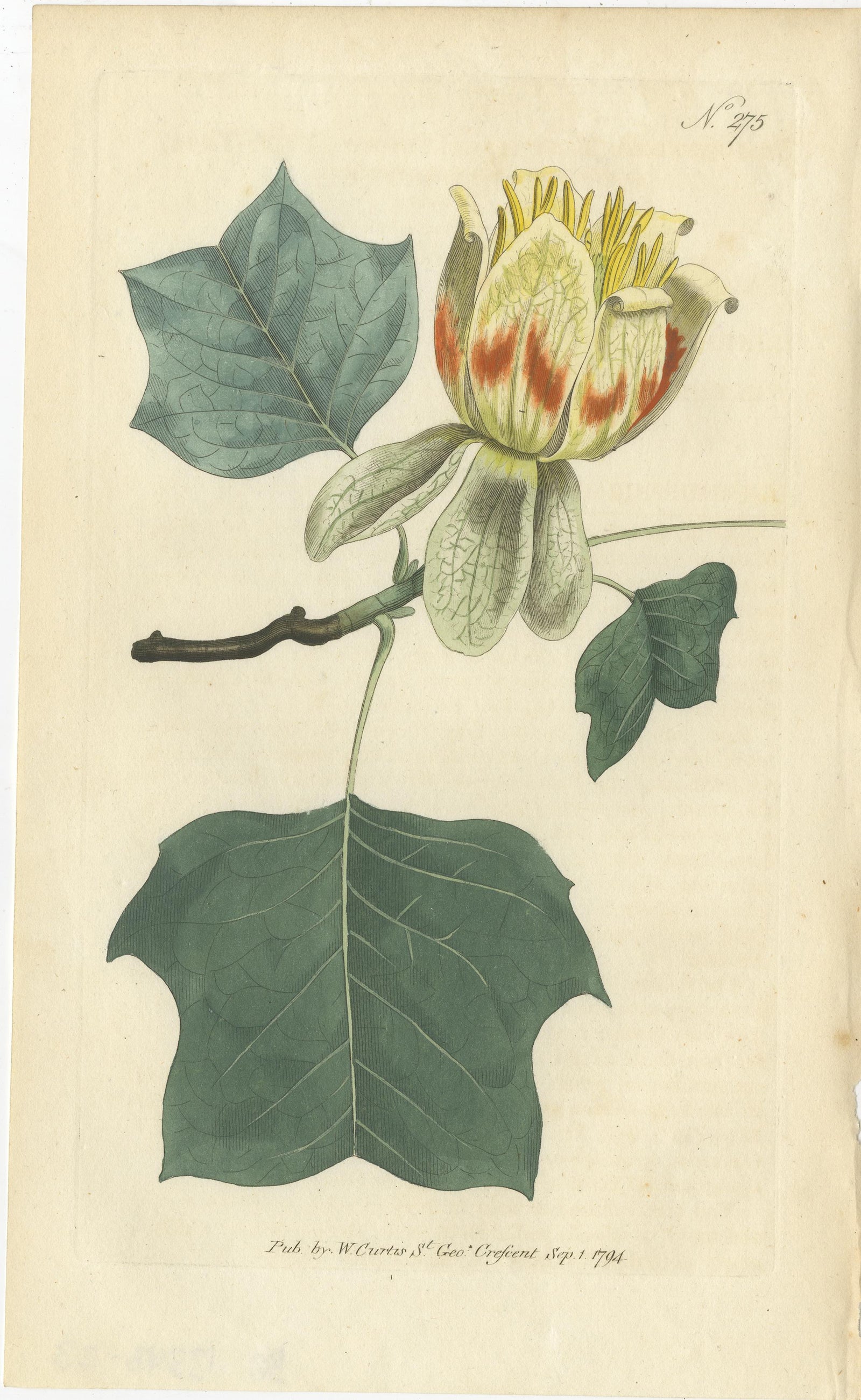
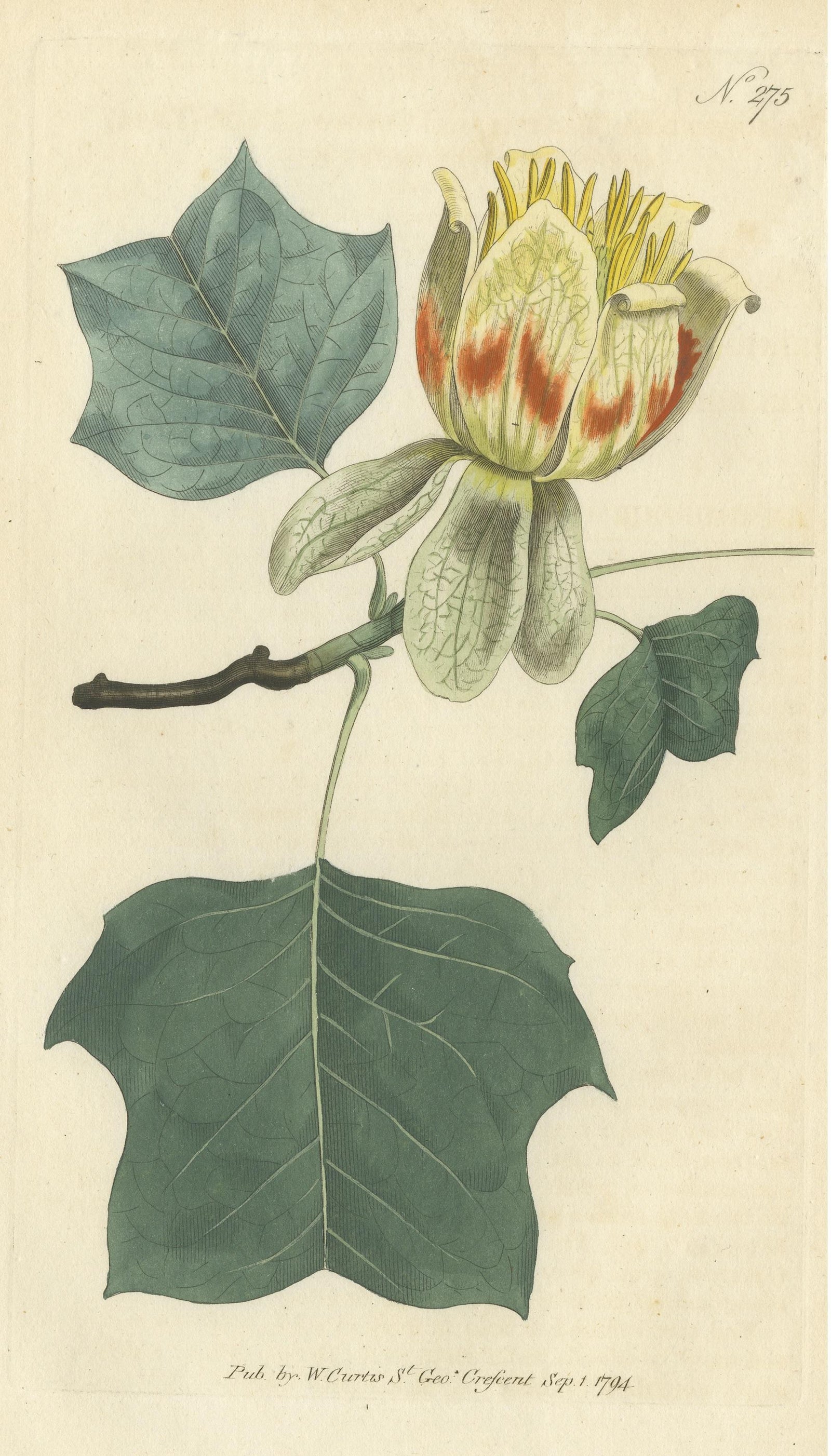
Antique Botany Print of Liriodendron Tulipifera or Common Tulip Tree
No. f_31529722Date not stated14 × 23 cm
Close-ups
Framed and on the wall
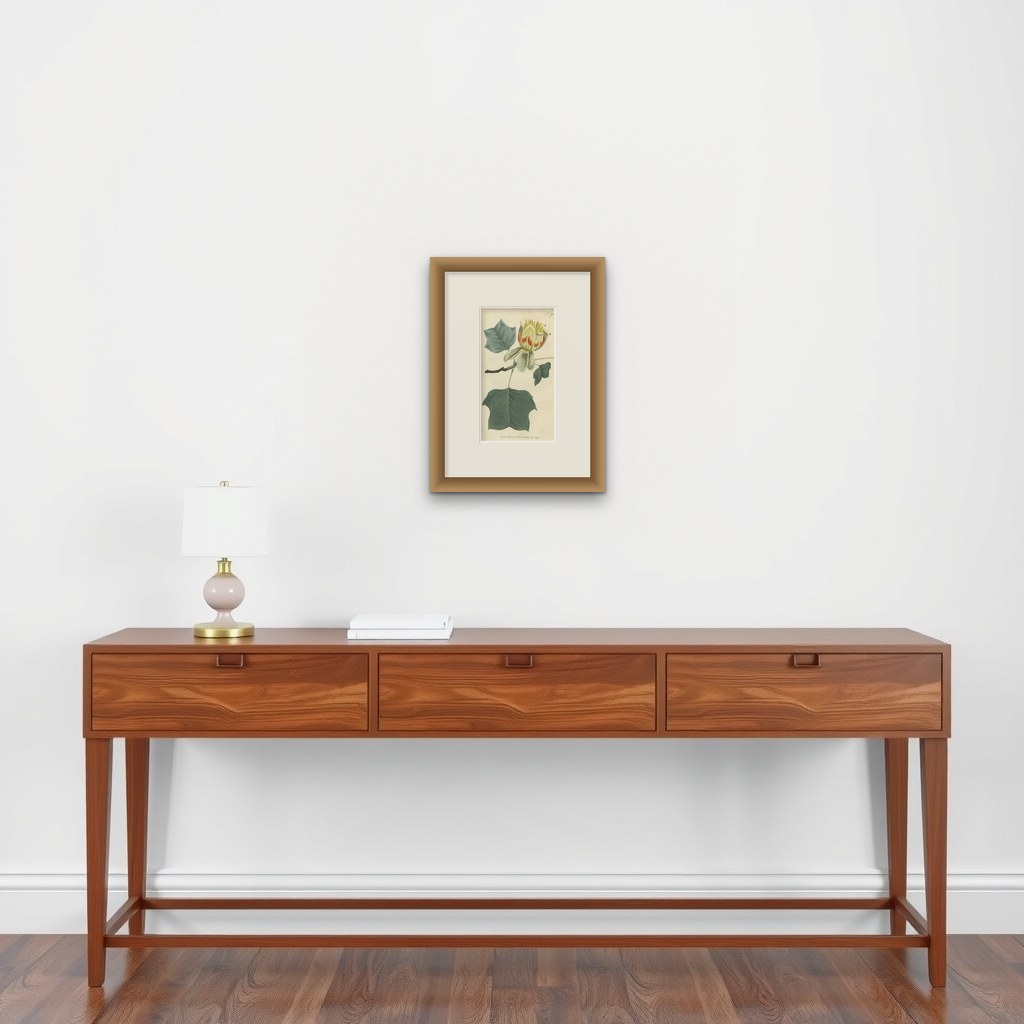

Frame and rooms are illustrations of how the print could look, drawn to its real size; it is sold unframed unless the description says otherwise.
Trees, palms & ferns
Antique Botany Print of Liriodendron Tulipifera or Common Tulip Tree
€360
$405 · £305
Original print, not a reproduction
Ships worldwide from the Netherlands, flat, insured and tracked. 14-day returns. To buy, use Ask a question (info@originalbotanicalprints.com) and we will reserve it for you.
- Date
- Not stated
- Sheet size
- 9.1 × 5.5 in (23 × 14 cm)
- Condition
- Good. Wear consistent with age and use. Age-related toning, some wear and soiling. Blank verso. Please study image carefully.
- Collection
- Trees, palms & ferns
- Stock no.
- f_31529722
Antique botany print of the common tulip tree. This print originates from 'The Botanical Magazine; or Flower-Garden Displayed (..)' by William Curtis. Published 1794.
The Botanical Magazine; or Flower-Garden Displayed, is an illustrated publication which began in 1787. The longest running botanical magazine, it is widely referred to by the subsequent name Curtis's Botanical Magazine. Each of the issues contains a description, in formal yet accessible language, and is renowned for featuring the work of two centuries of botanical illustrators. Many plants received their first publication on the pages, and the description given was enhanced by the keenly detailed illustrations.
The illustrations were initially hand-coloured prints, taken from copper engravings and intended to complement the text. Identification by a general reader was given in exploded details, some of which were given as a section. This was accompanied by a page or two of text describing the plants properties, history, growth characteristics, and some common names for the species.