Original Botanical Prints · Fruit & vegetables
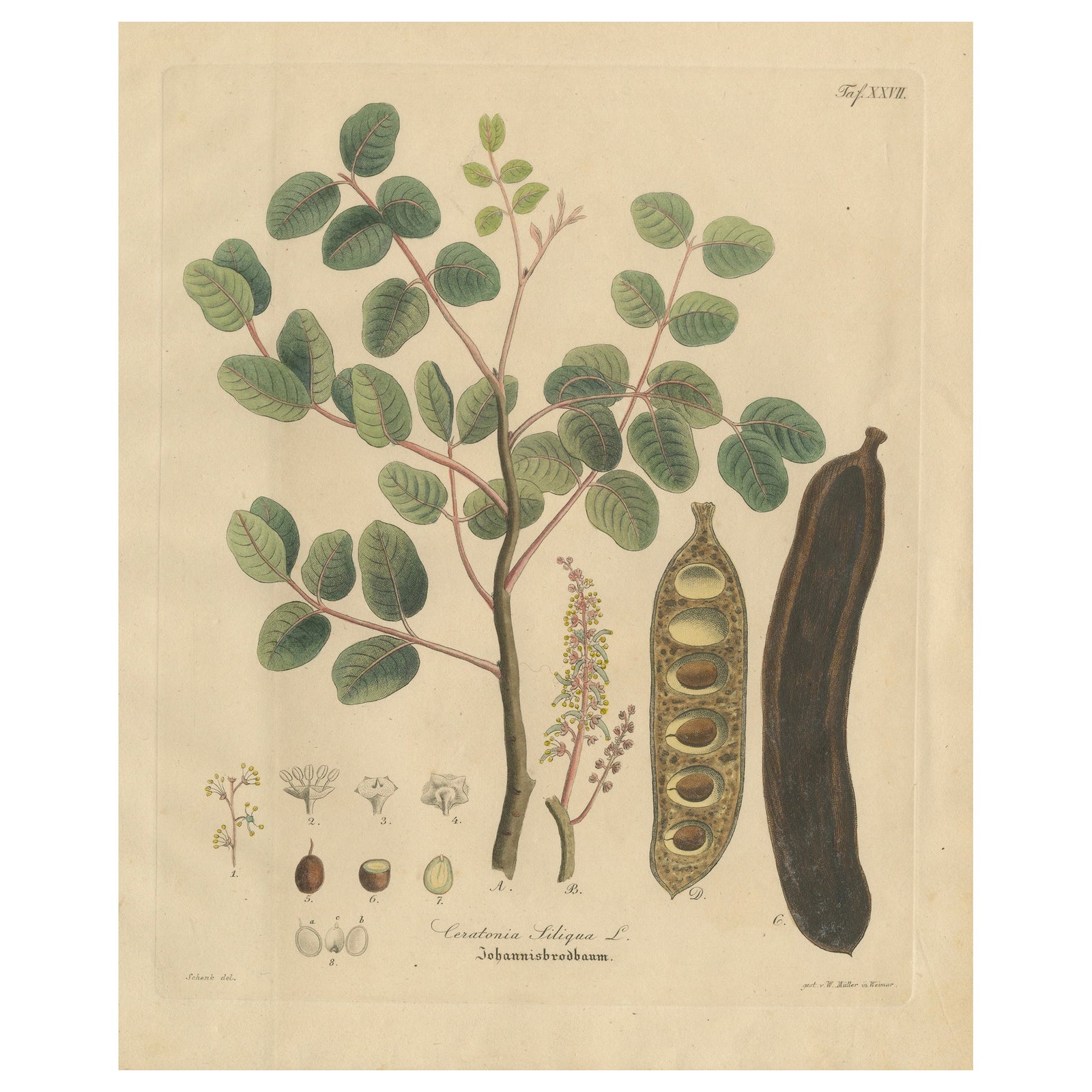
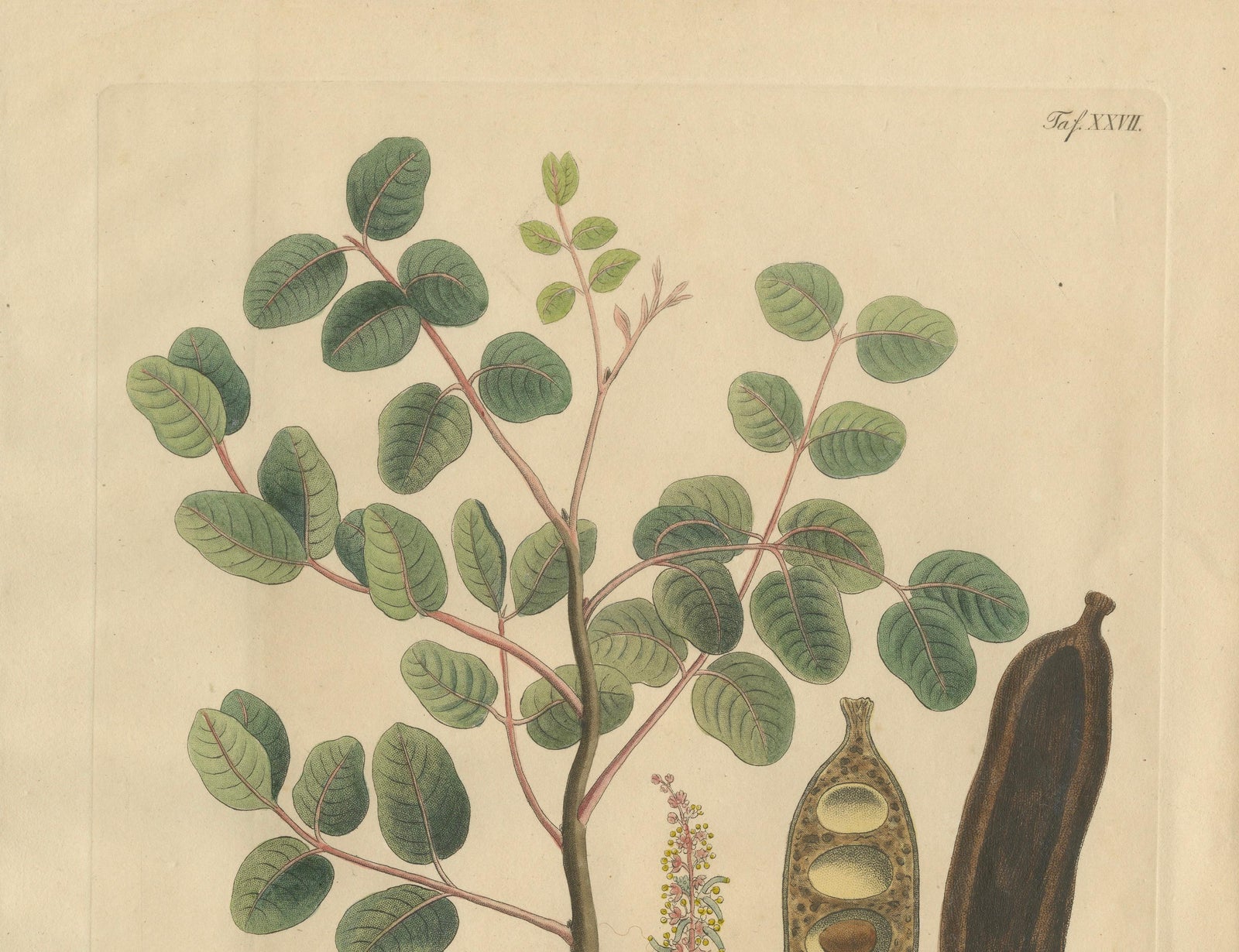
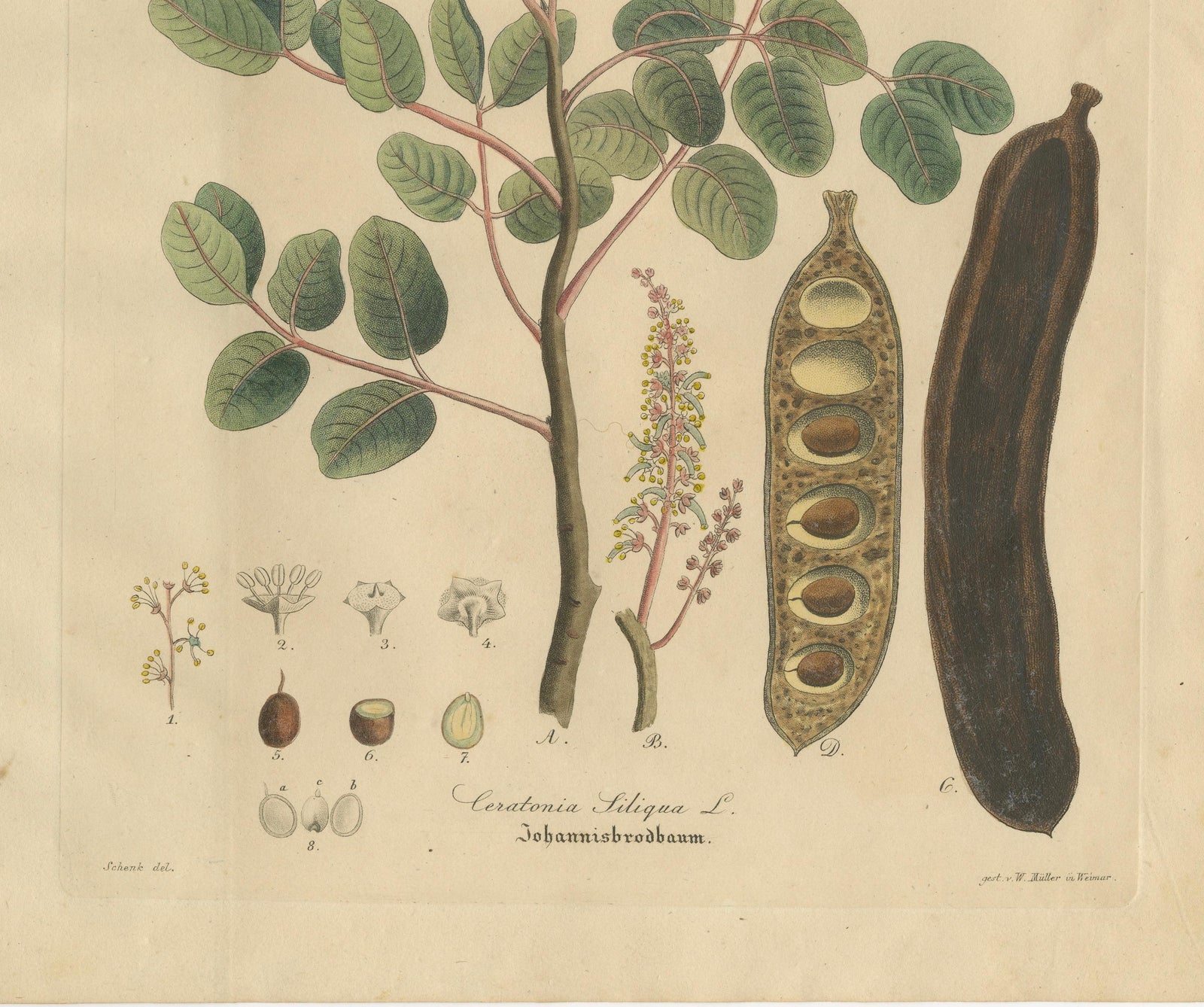
Antique Carob Botanical Print, Ceratonia Siliqua, Hand Colored, c.1831
No. f_48077262183122.7 × 27.1 cm
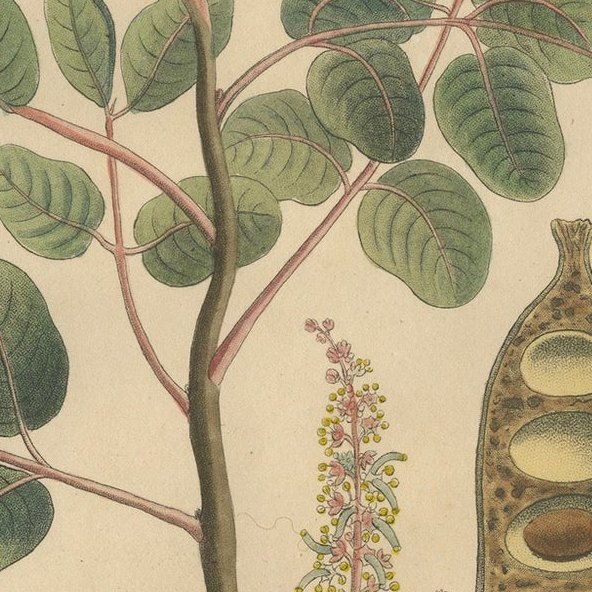
Close-ups
Framed and on the wall
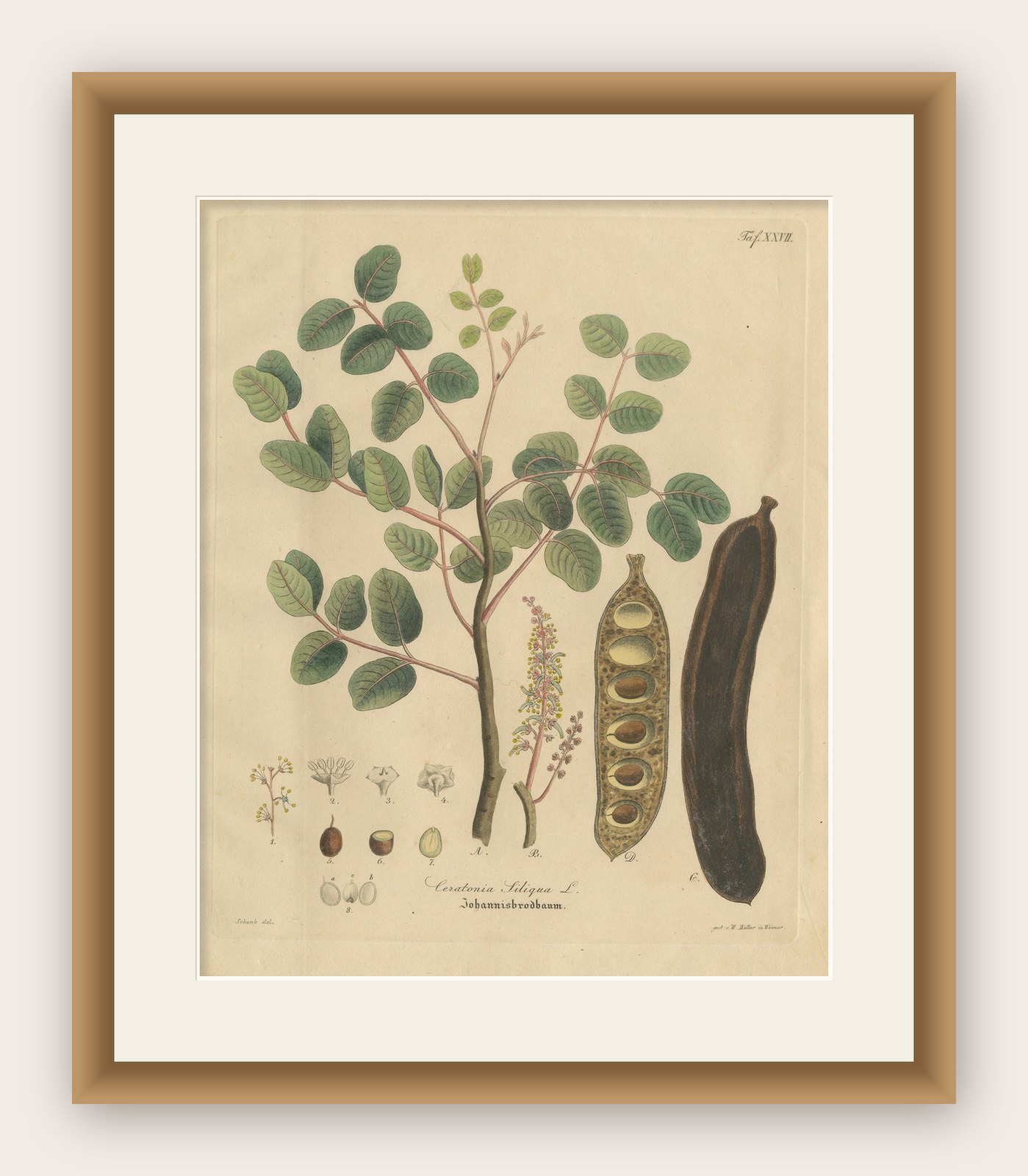


Frame and rooms are illustrations of how the print could look, drawn to its real size; it is sold unframed unless the description says otherwise.
Fruit & vegetables
Antique Carob Botanical Print, Ceratonia Siliqua, Hand Colored, c.1831
€600
$675 · £510
Original print, not a reproduction
Ships worldwide from the Netherlands, flat, insured and tracked. 14-day returns. To buy, use Ask a question (info@originalbotanicalprints.com) and we will reserve it for you.
- Date
- 1831
- Sheet size
- 10.7 × 8.9 in (27.1 × 22.7 cm)
- Condition
- Good. Moderate toning with minor surface marks consistent with age. Image remains clear and intact.
- Collection
- Fruit & vegetables
- Era
- 1800 to 1849, The golden age of botanical art
- Stock no.
- f_48077262
Antique Carob Botanical Print, Ceratonia Siliqua, Hand Colored, c.1831
Description:
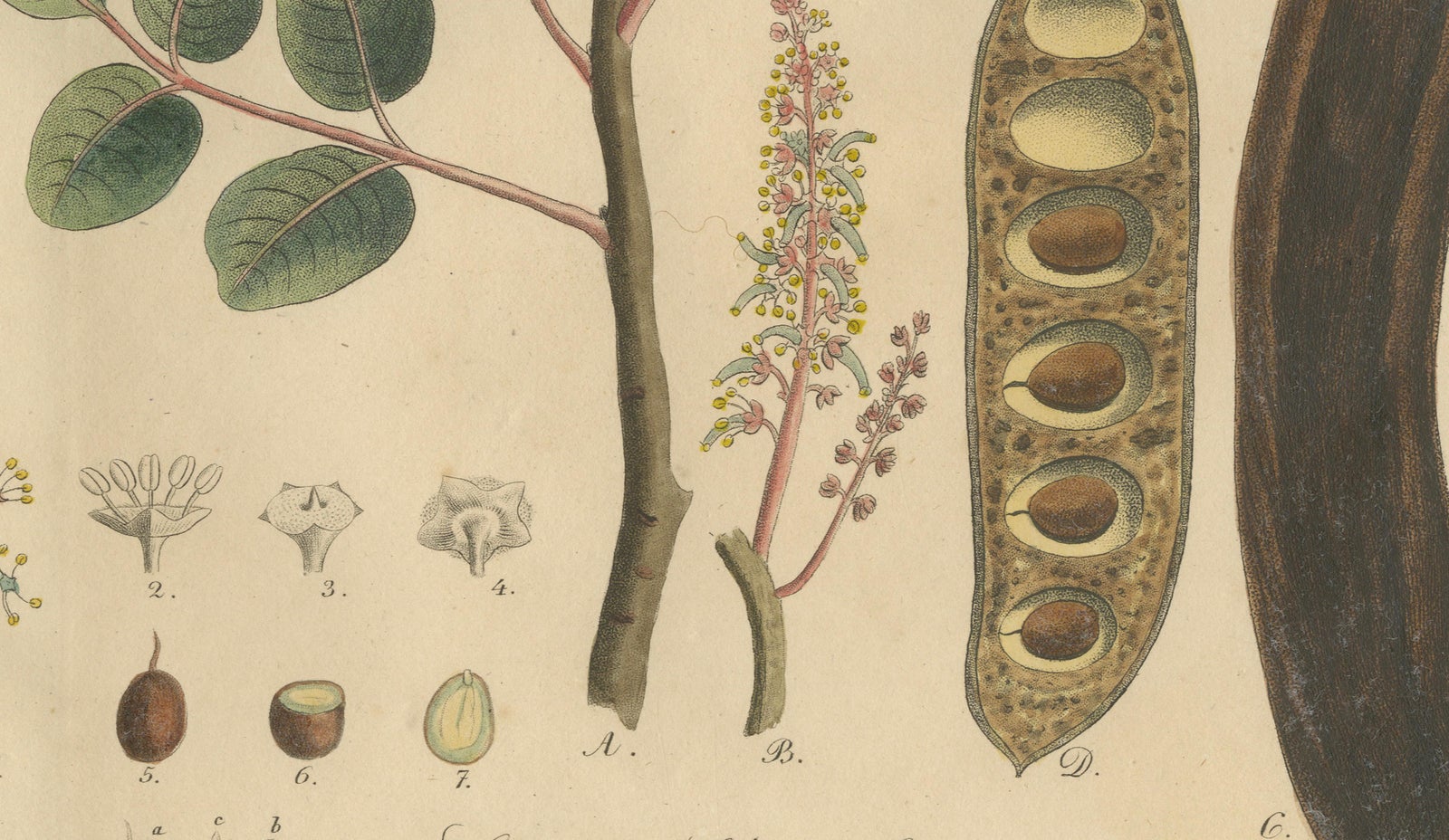
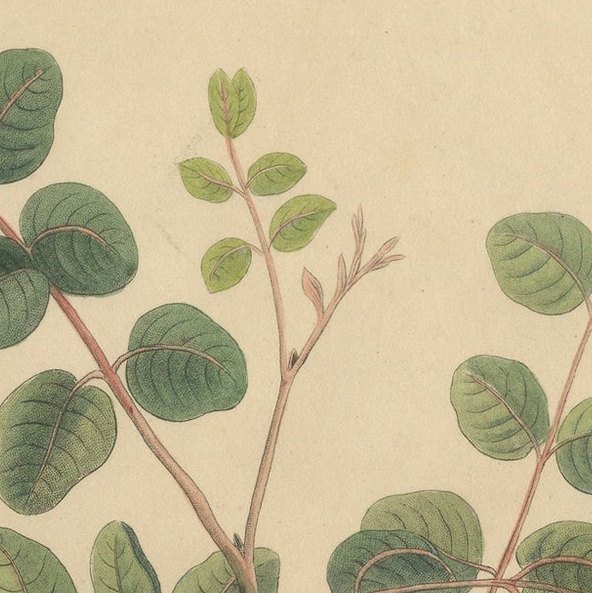
This botanical engraving illustrates Ceratonia Siliqua, the carob tree, including its distinctive elongated pods. Carob was historically valued as a famine crop, animal feed, and cocoa substitute, particularly in Mediterranean regions.
Published in Zenker’s Merkantilische Waarenkunde, the plate highlights plants of practical and economic importance. The depiction emphasizes the structure of the pods and foliage, providing a clear and informative study of this versatile tree.
Original hand coloring is subtle and naturalistic, enhancing the clarity of the engraving without excess decoration. This plate appeals to collectors interested in agricultural history, Mediterranean food culture, and lesser-known trade crops.
Condition report:
Moderate toning with minor surface marks consistent with age. Image remains clear and intact.
Framing tips:
A neutral off-white mat and a medium-toned wood frame suit the understated character of the image.
Technique: Copper engraving with original hand coloring
Maker: Jonathan Carl Zenker, Germany, 1831 to 1832
Explore