Original Botanical Prints · Herbs, spices & useful plants
Antique Oats and Wild Grasses Prints, Botanical Lithographs, 1852
No. f_48105082185221 × 26.5 cm
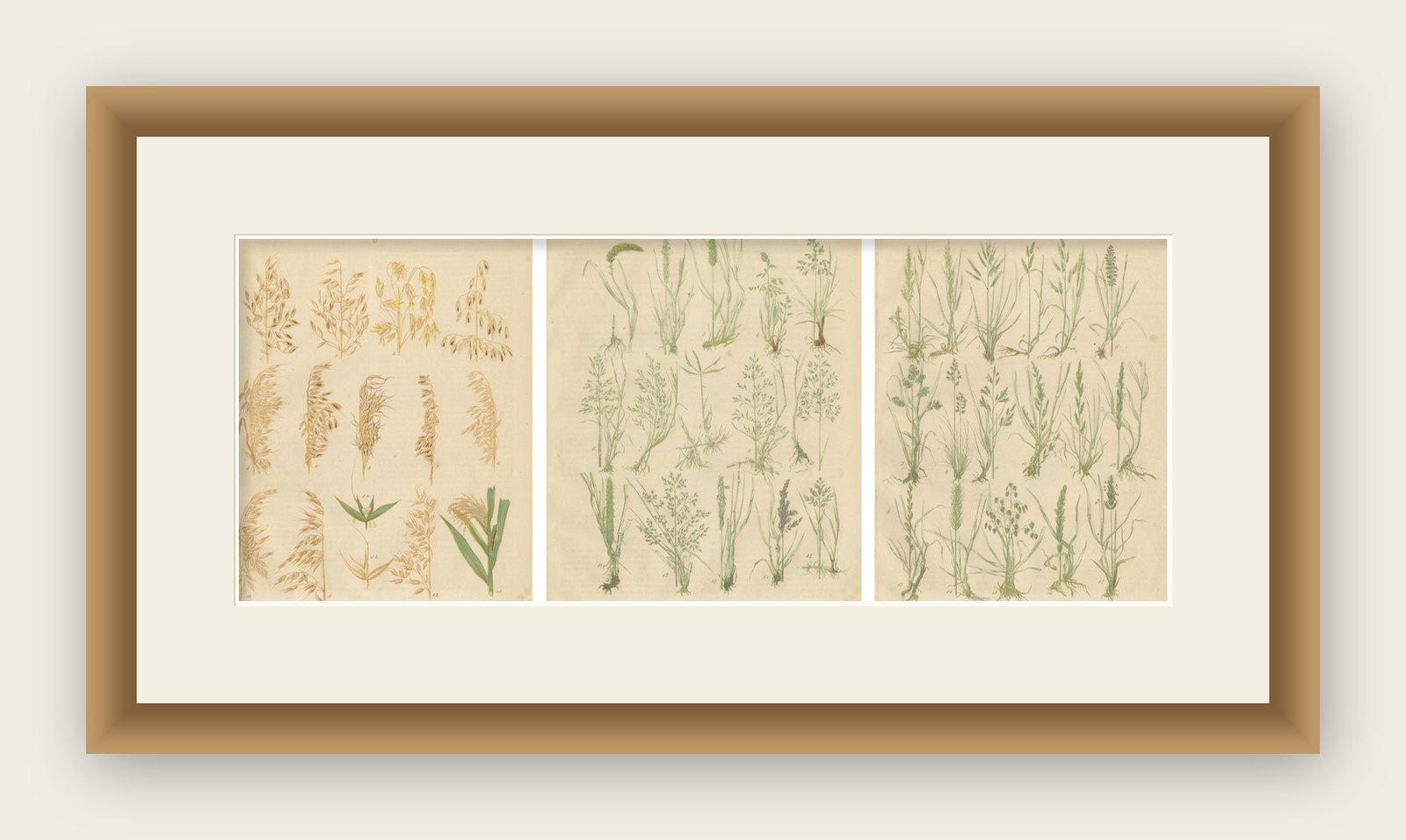
Framed and on the wall
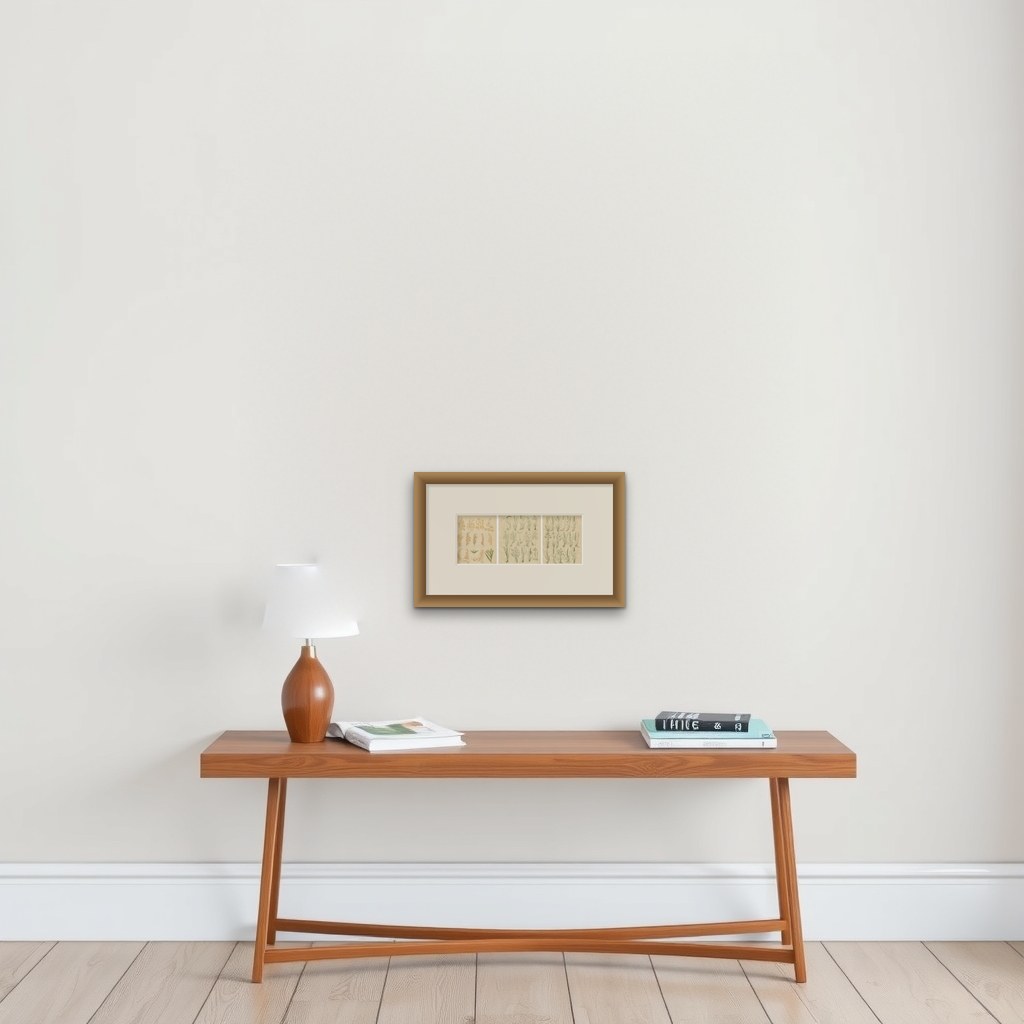
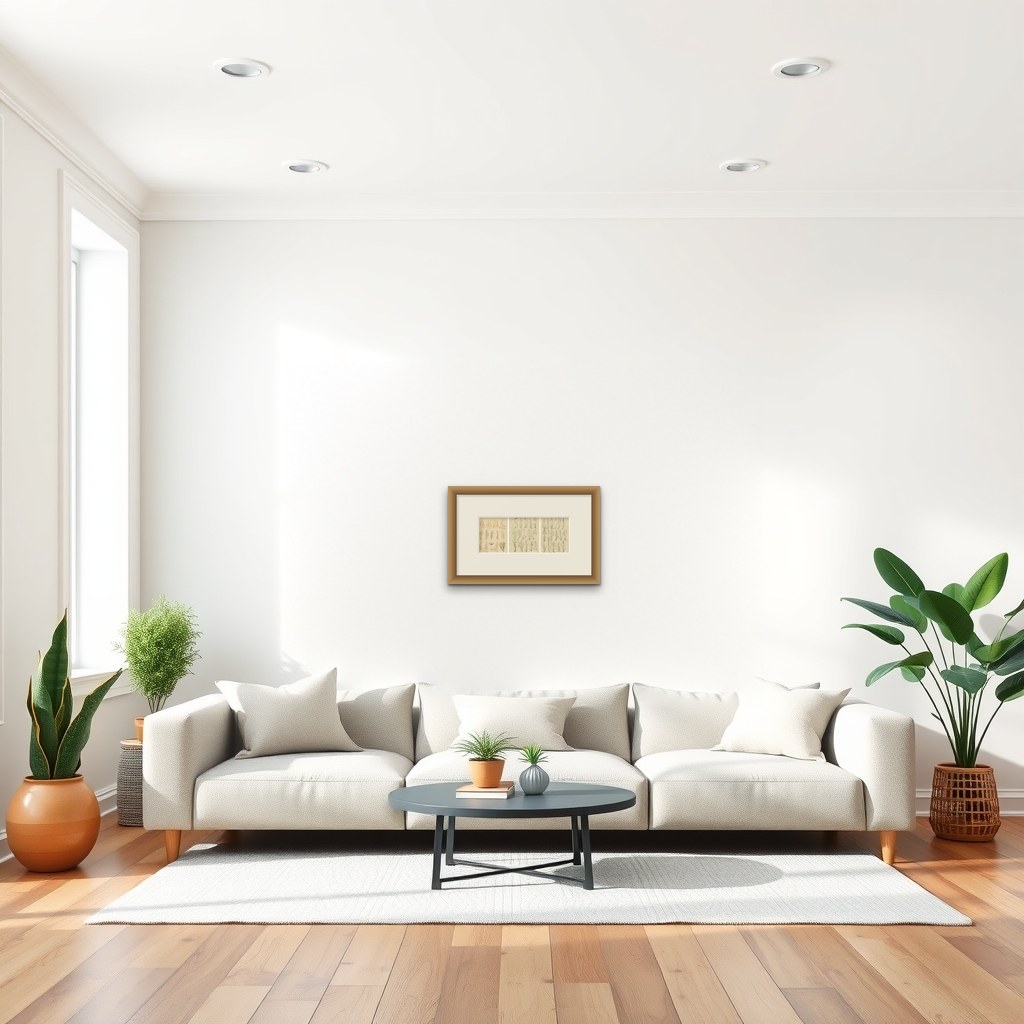
Frame and rooms are illustrations of how the print could look, drawn to its real size; it is sold unframed unless the description says otherwise.
Herbs, spices & useful plants
Antique Oats and Wild Grasses Prints, Botanical Lithographs, 1852
$250
€220 · £185
Original print, not a reproduction
Ships worldwide from the Netherlands, flat, insured and tracked. 14-day returns. To buy, use Ask a question (info@originalbotanicalprints.com) and we will reserve it for you.
- Date
- 1852
- Sheet size
- 10.4 × 8.3 in (26.5 × 21 cm)
- Condition
- Good. Wear consistent with age and use. Condition report: Overall light to moderate toning with scattered foxing. Margins show minor wear. Colors remain subtle and intact.
- Collection
- Herbs, spices & useful plants
- Era
- 1850 and after, Chromolithographs and plant hunters
- Stock no.
- f_48105082
Antique Oats and Wild Grasses Prints, Botanical Lithographs, 1852
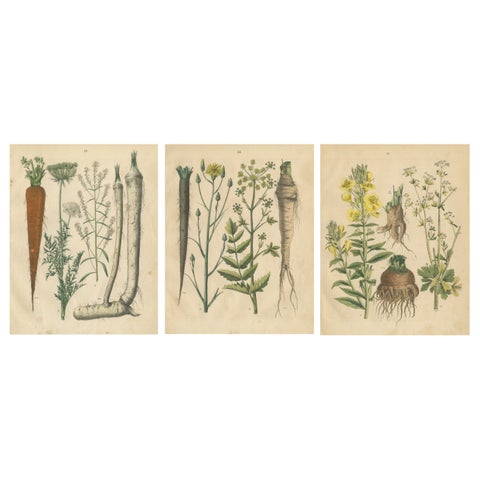
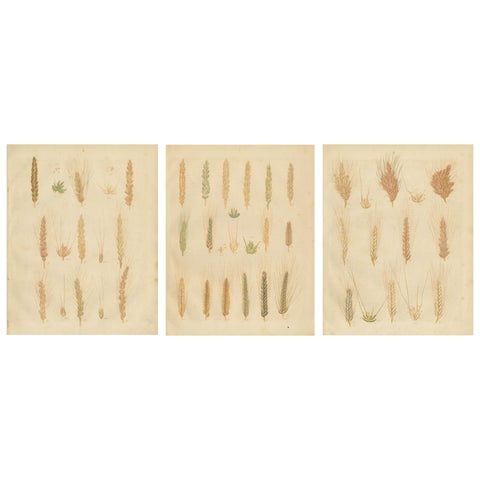
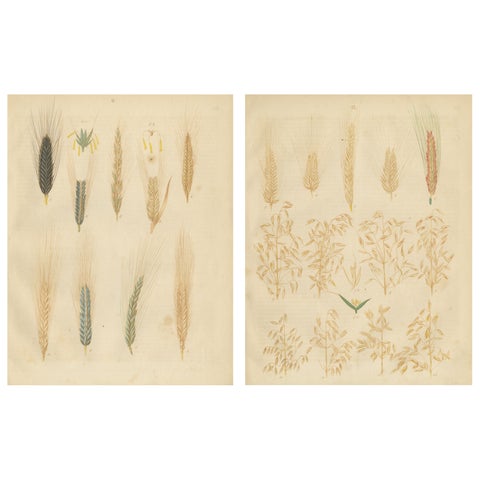
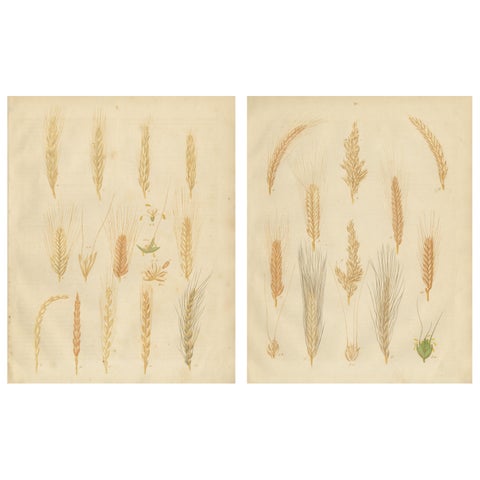
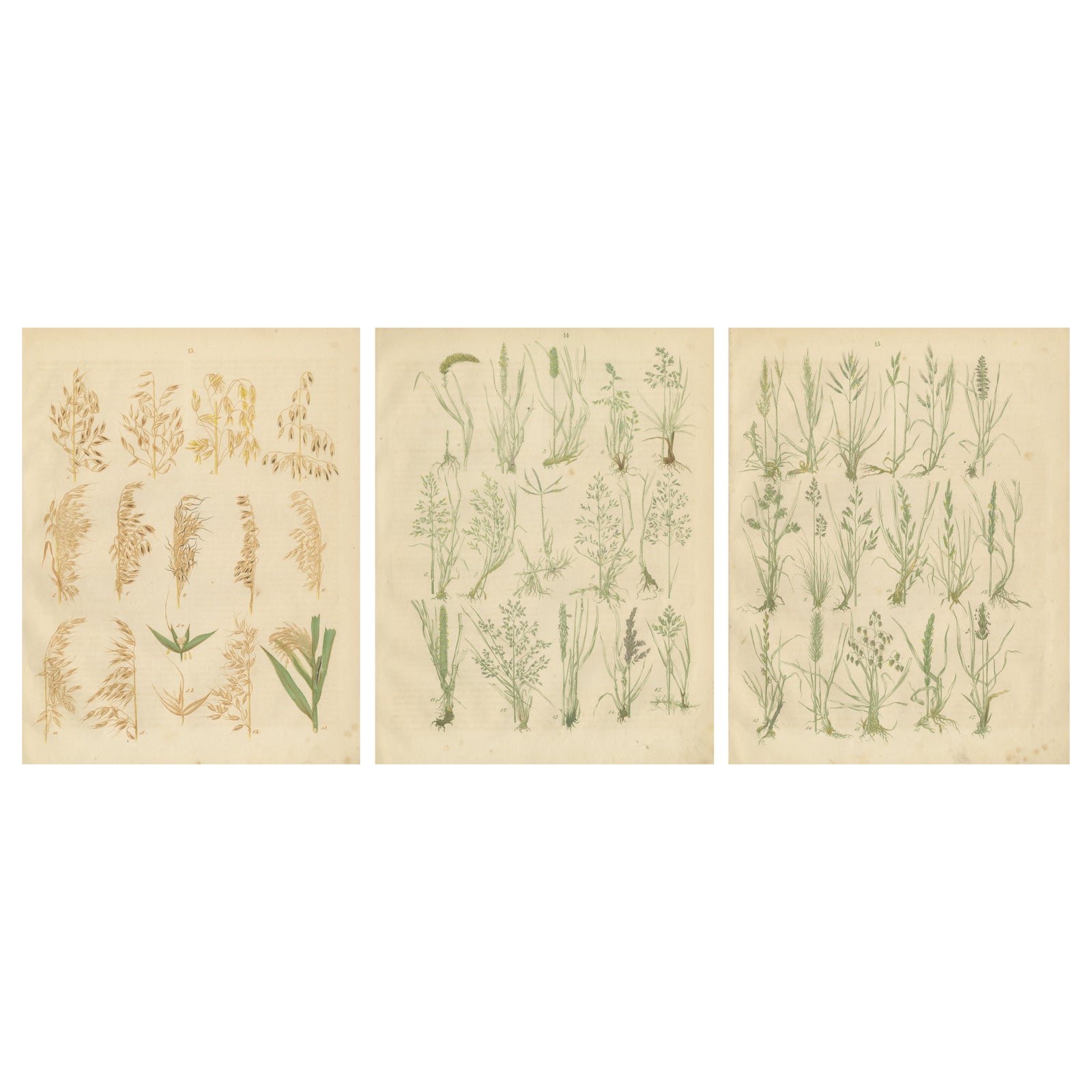
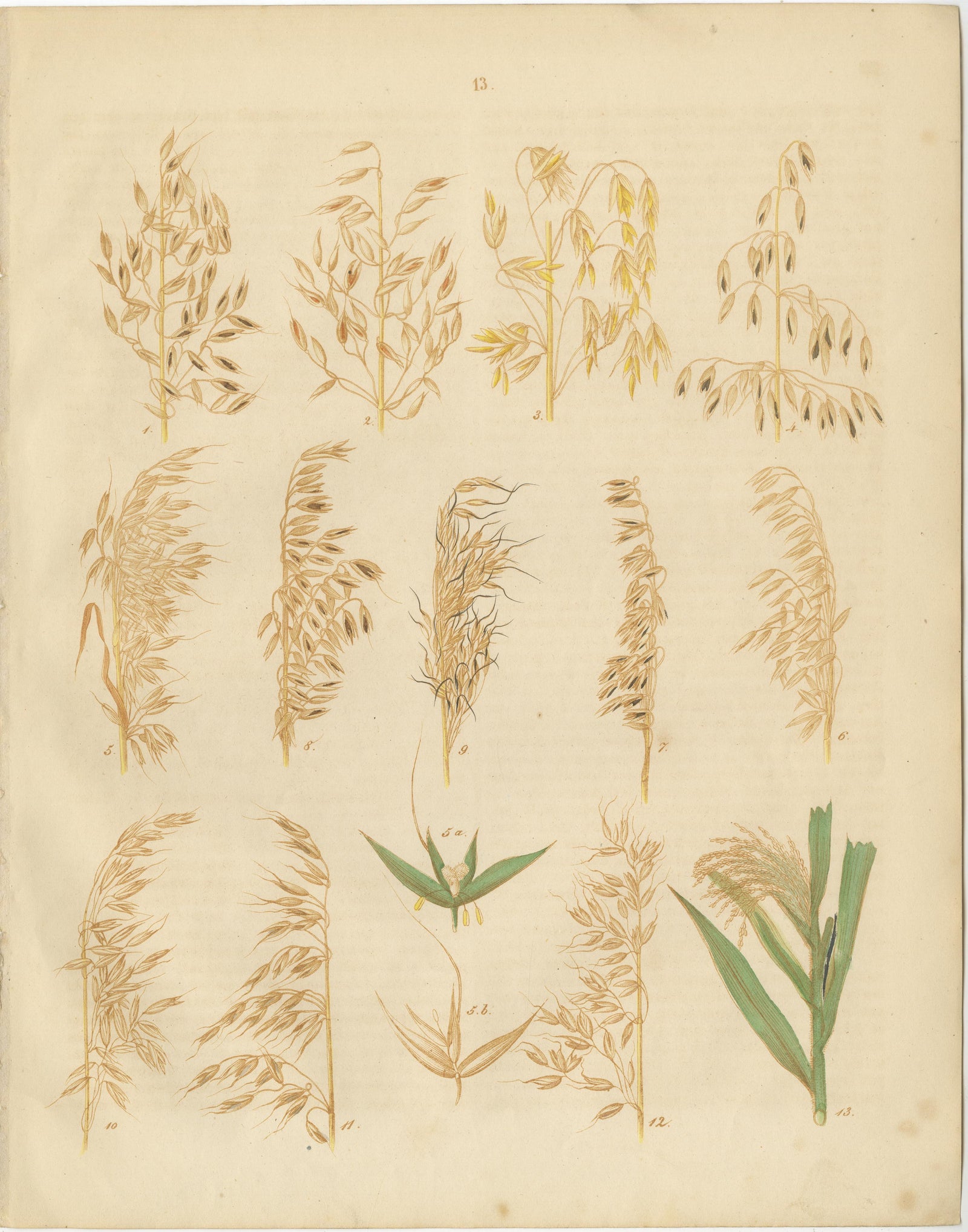
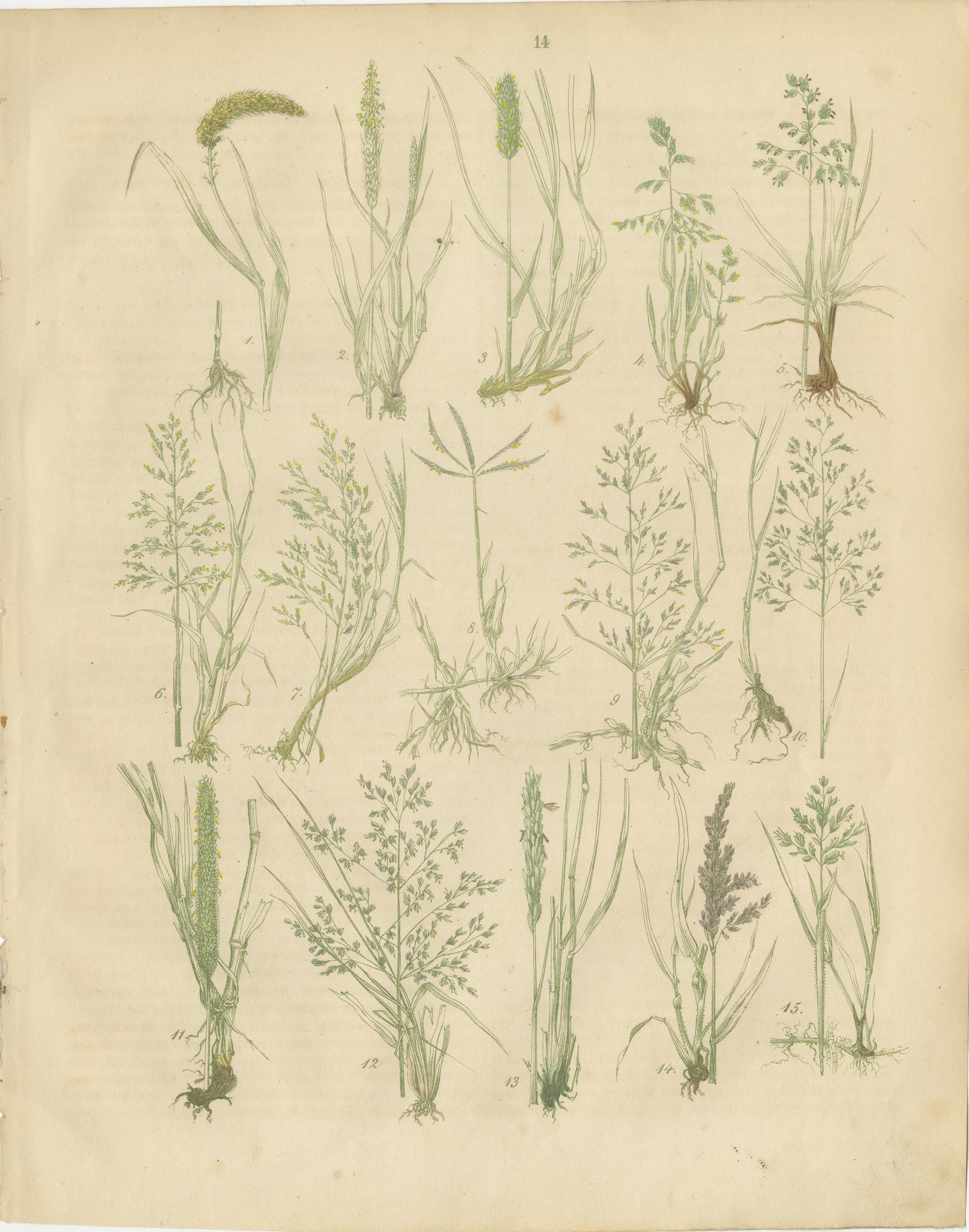
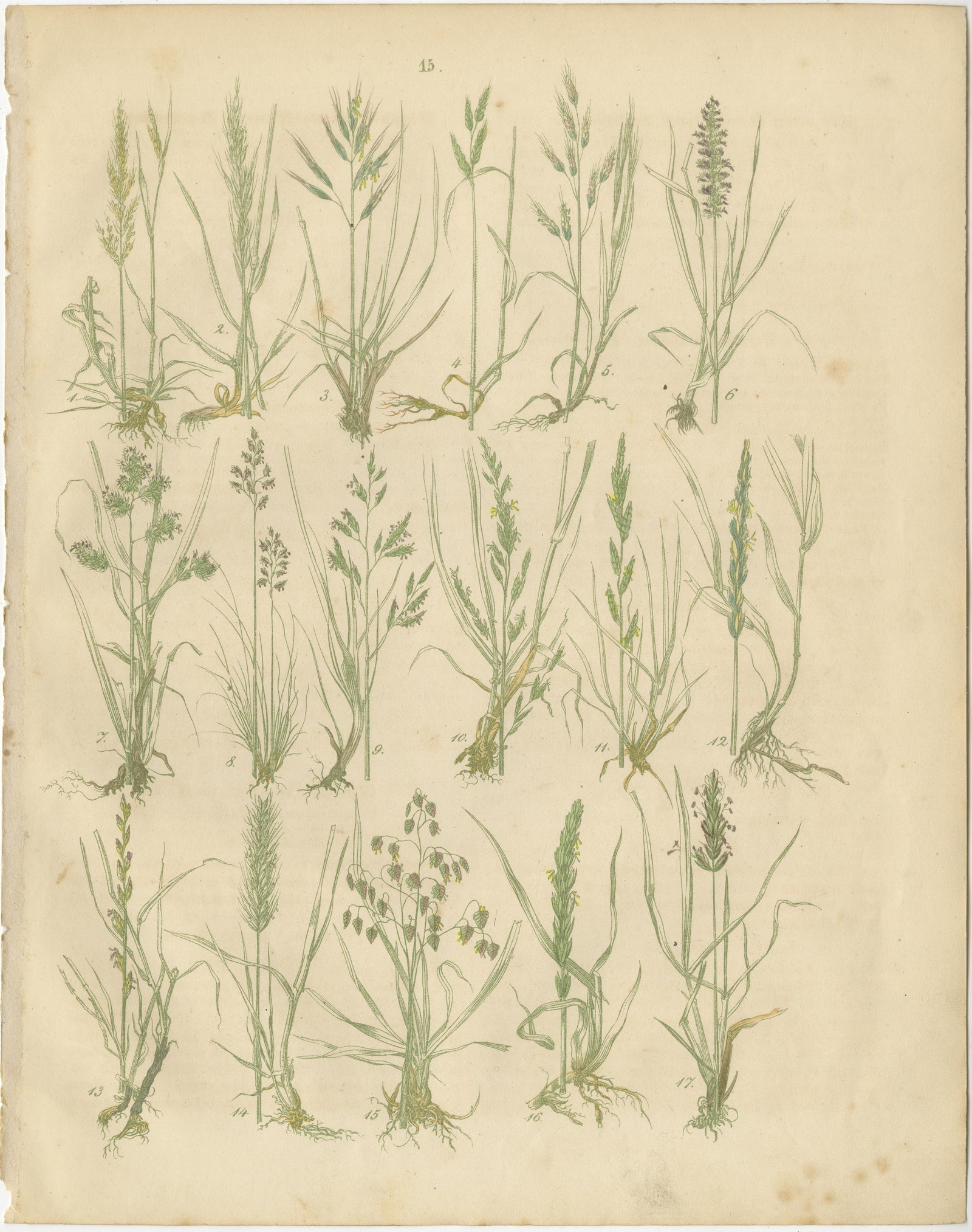
This elegant three-plate set illustrates oats and related grasses from Carl Gustav Calwer’s agricultural atlas, published in Stuttgart in 1852. The plates show delicate panicles and branching forms, capturing the lightness and movement of these crops with remarkable sensitivity.
Unlike denser cereal ears, these grasses are depicted with airy spacing and fine linear detail, giving the compositions a rhythmic and almost calligraphic quality. The soft hand coloring reinforces their natural grace and makes the set particularly appealing for modern and Scandinavian-style interiors.
Originally intended for agricultural instruction, the plates now function beautifully as decorative works, combining scientific accuracy with visual harmony. Grouped together, they form a calm, cohesive ensemble that works especially well in living spaces, hallways, or offices.
Condition report: Overall light to moderate toning with scattered foxing. Margins show minor wear. Colors remain subtle and intact.
Framing tips: Hang as a horizontal row of three or a vertical column. Pale wood frames and light linen mats complement the delicate lines.
Technique: Hand-colored lithograph
Maker: Carl Gustav Calwer, Stuttgart, 1852