Original Botanical Prints · Herbs, spices & useful plants
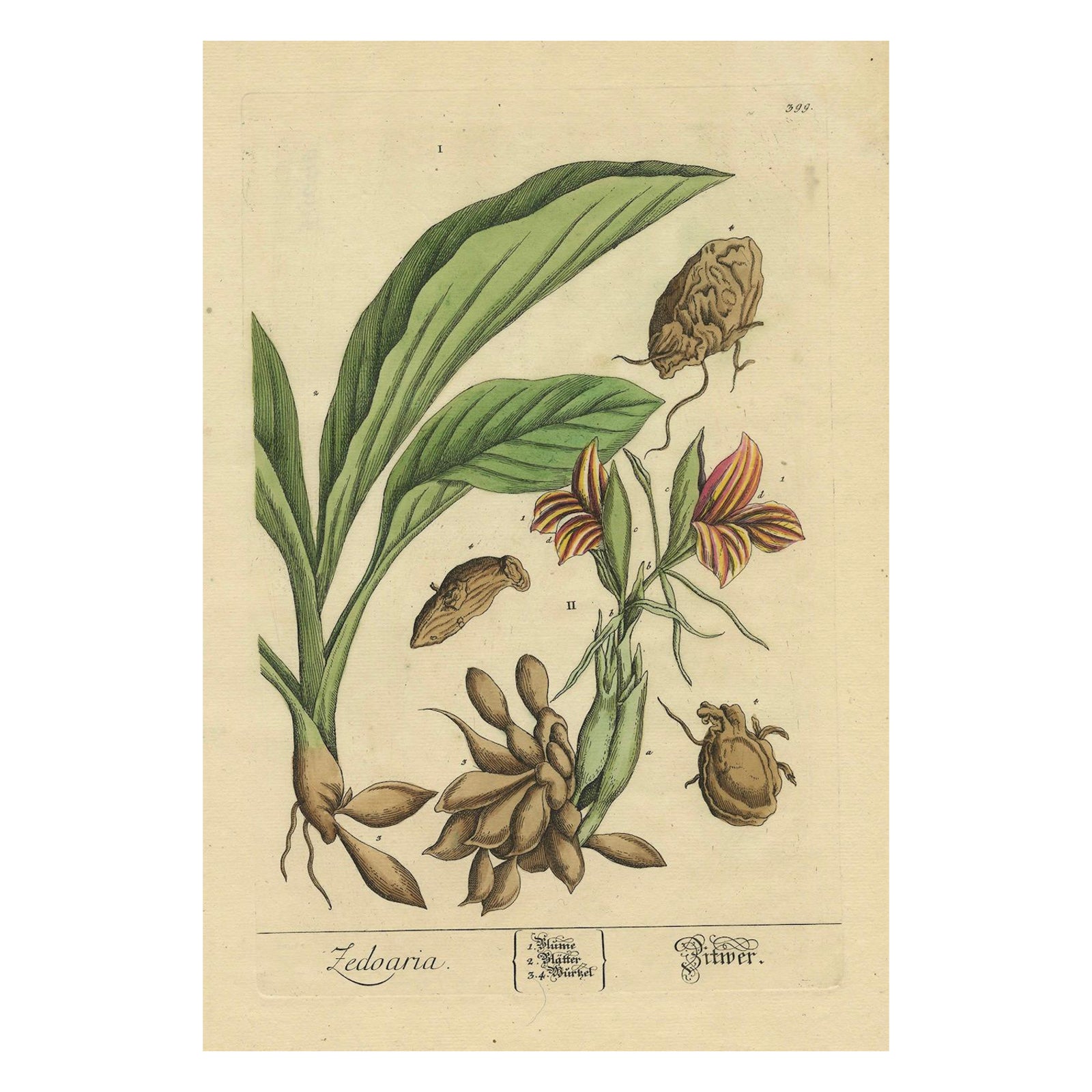
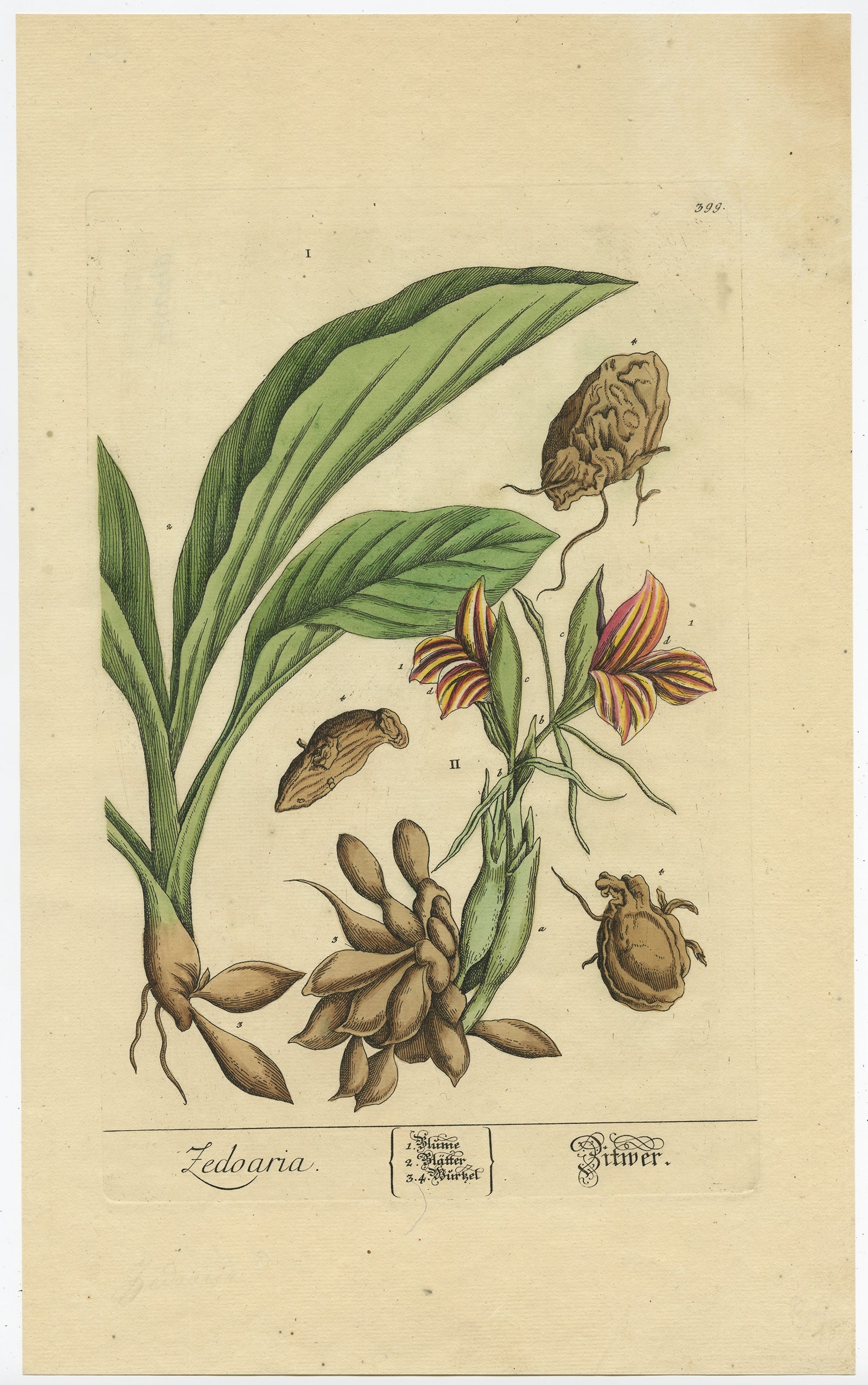
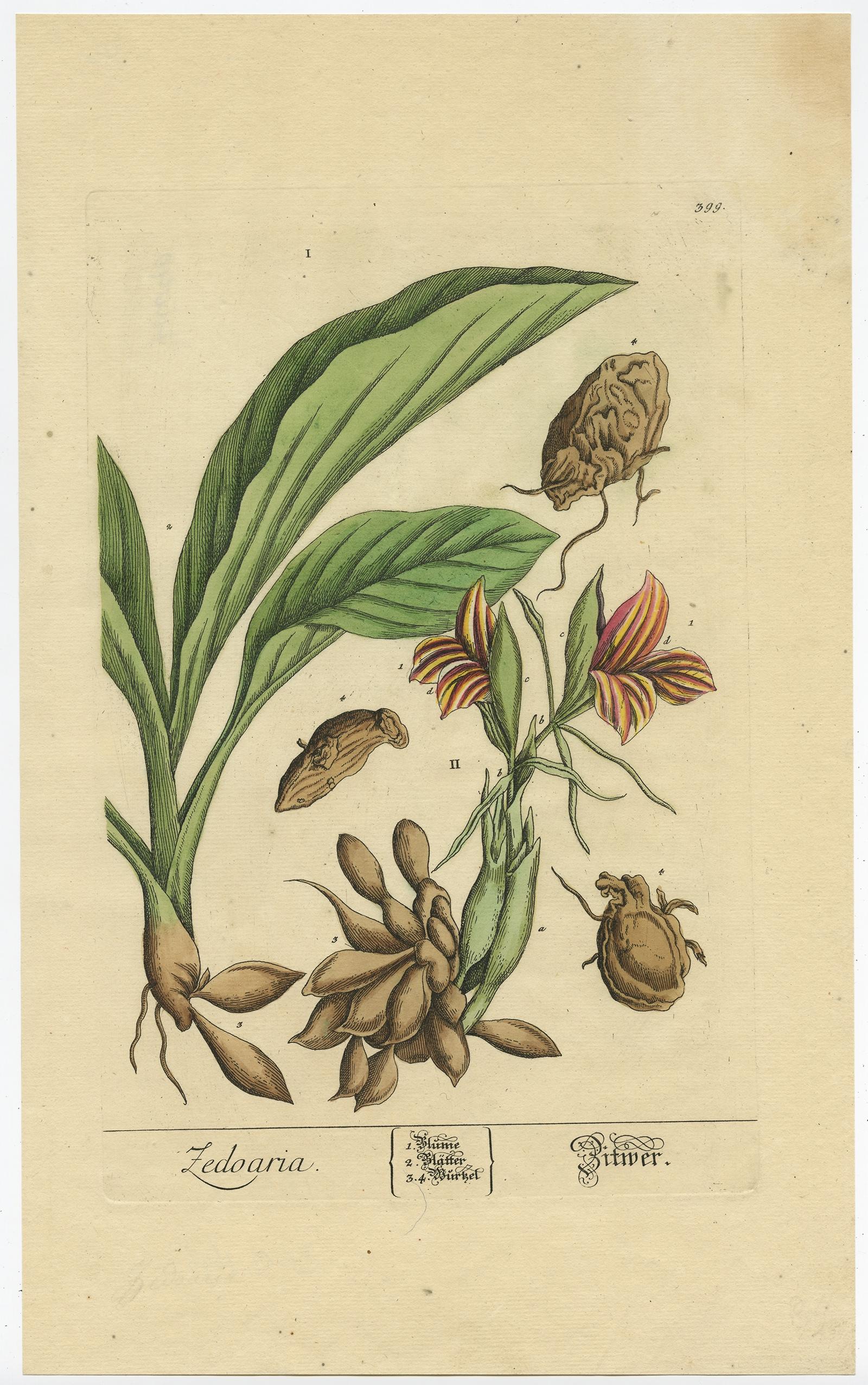
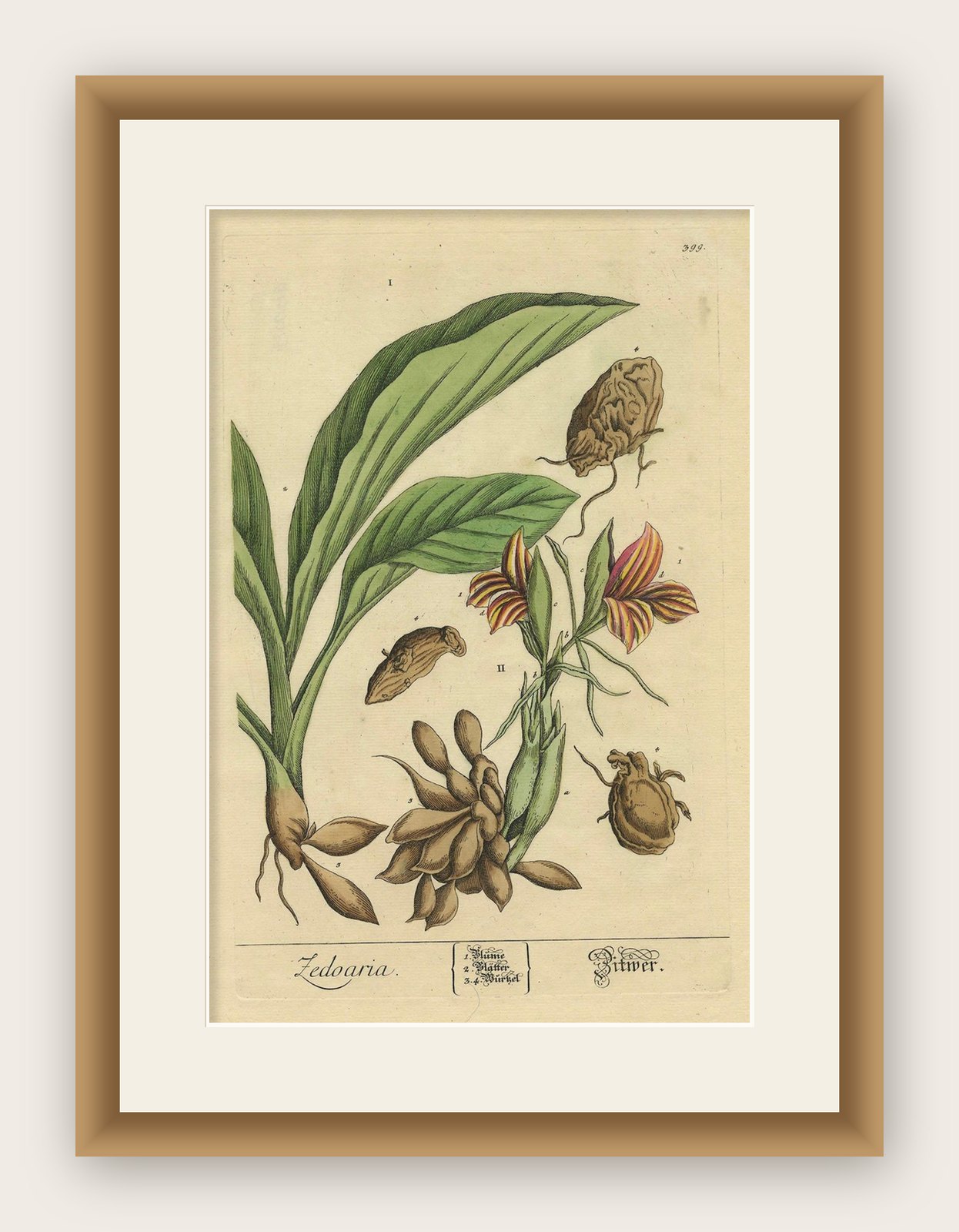
Botanical Illustration of White Turmeric (Curcuma zedoaria) by Blackwell, 1696
No. f_41503912169625.3 × 41 cm
Close-ups
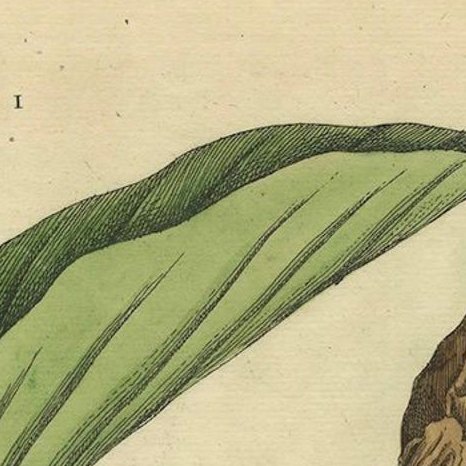
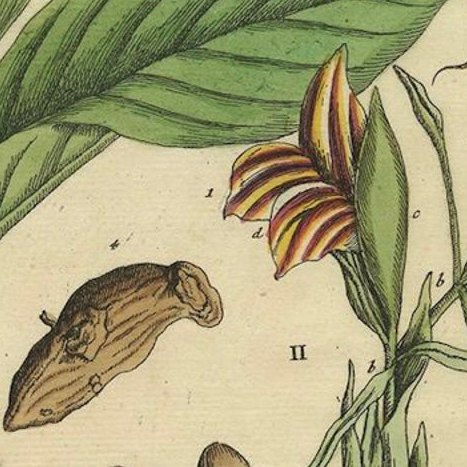
Framed and on the wall

Frame and rooms are illustrations of how the print could look, drawn to its real size; it is sold unframed unless the description says otherwise.
Herbs, spices & useful plants
Botanical Illustration of White Turmeric (Curcuma zedoaria) by Blackwell, 1696
€440
$490 · £370
Original print, not a reproduction
Ships worldwide from the Netherlands, flat, insured and tracked. 14-day returns. To buy, use Ask a question (info@originalbotanicalprints.com) and we will reserve it for you.
- Date
- 1696
- Sheet size
- 16.1 × 10 in (41 × 25.3 cm)
- Condition
- Good. Good, given age. A few spots in the margins. General age-related toning and/or occasional minor defects from handling. Please study scan carefully.
- Collection
- Herbs, spices & useful plants
- Era
- Before 1750, Herbals and florilegia
- Stock no.
- f_41503912
What the condition grades mean
- Excellent
- Bright and clean, with no faults worth mentioning.
- Very good
- Only light signs of age, such as faint toning.
- Good
- Normal signs of age for a sheet of this period: toning, some foxing, small marks or neat old repairs.
- Fair
- Clear faults such as staining, tears or repairs, priced to match.
Every fault we see is written in the condition note, and the whole sheet is shown uncropped in the photos.
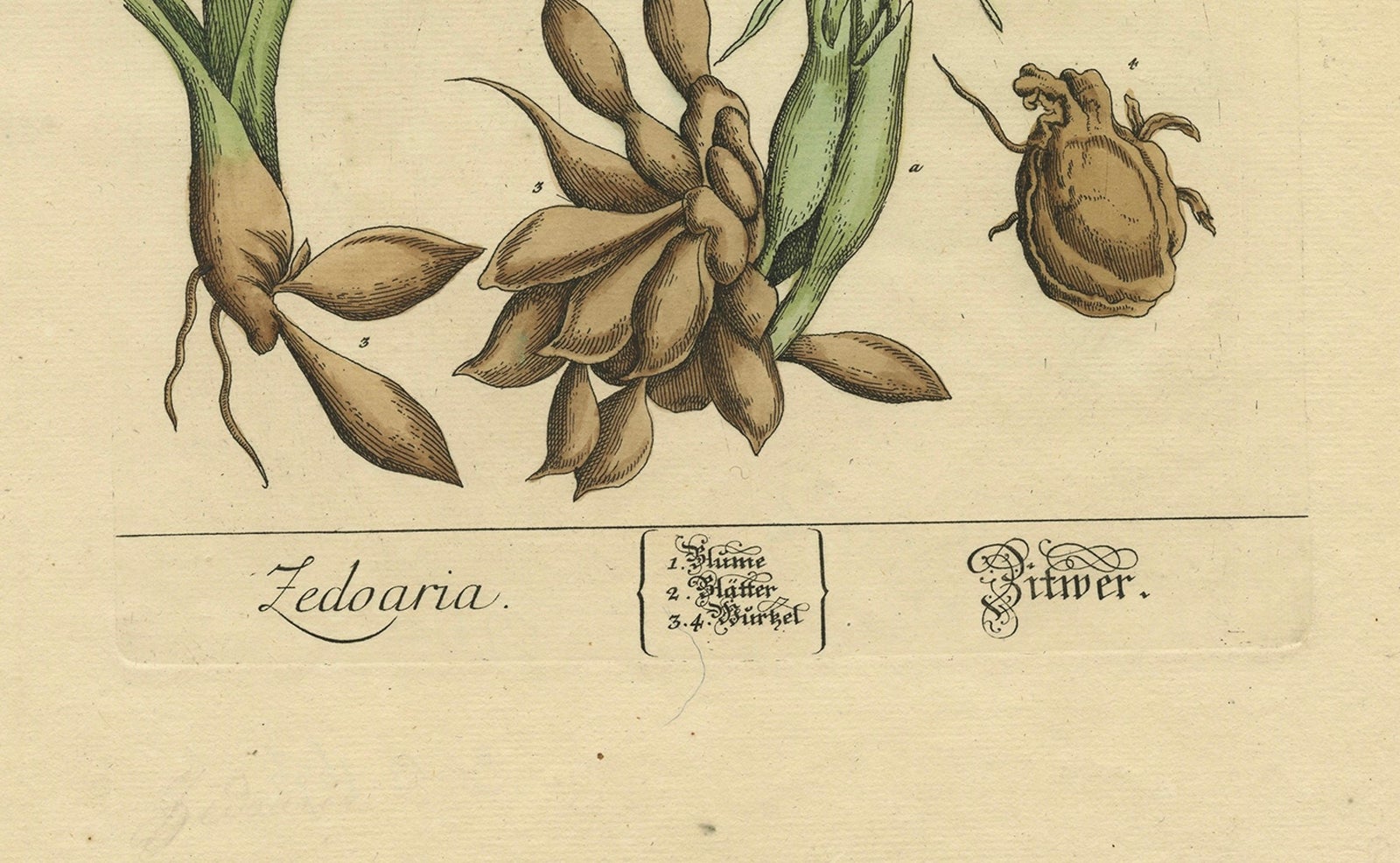
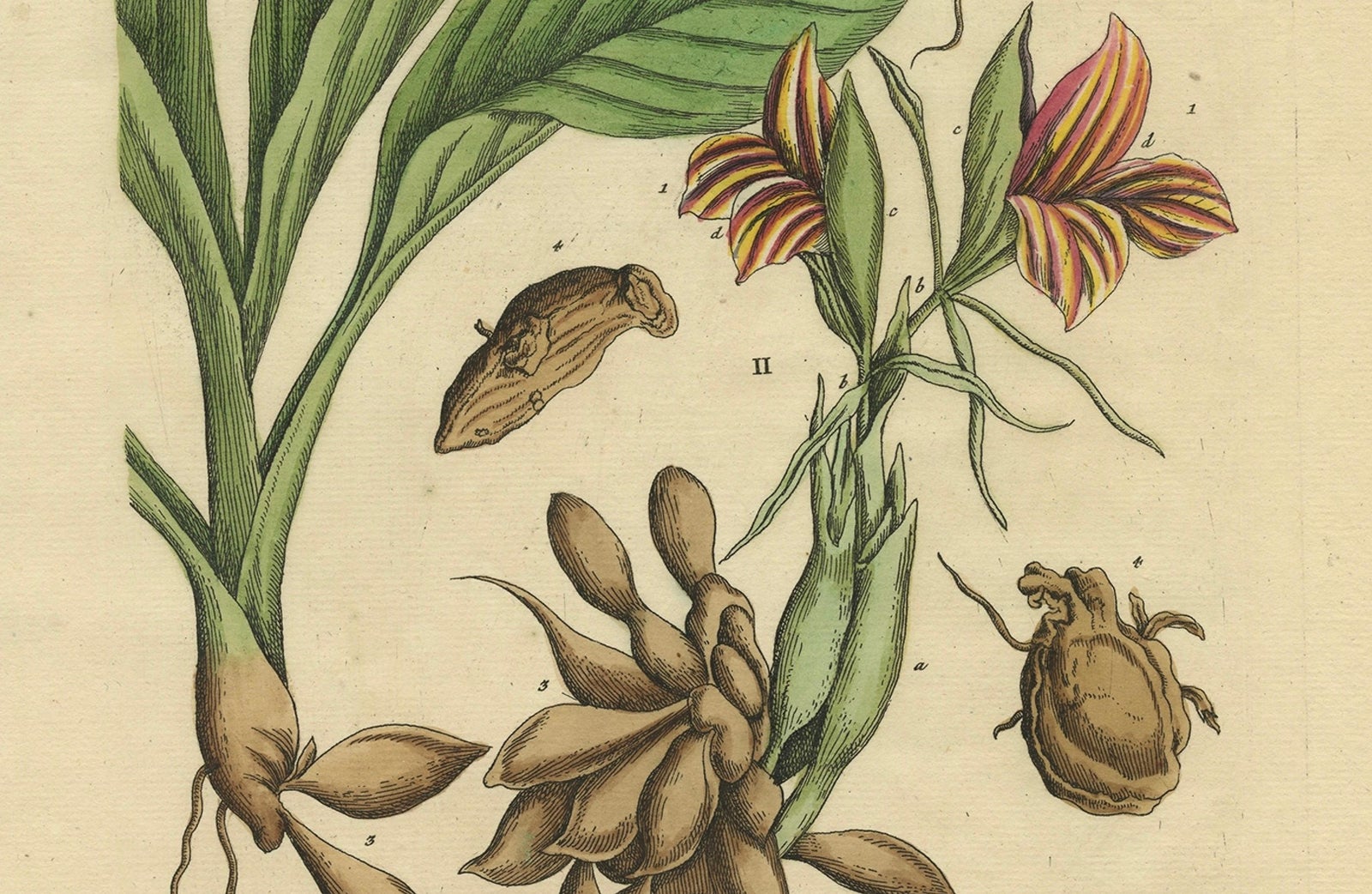
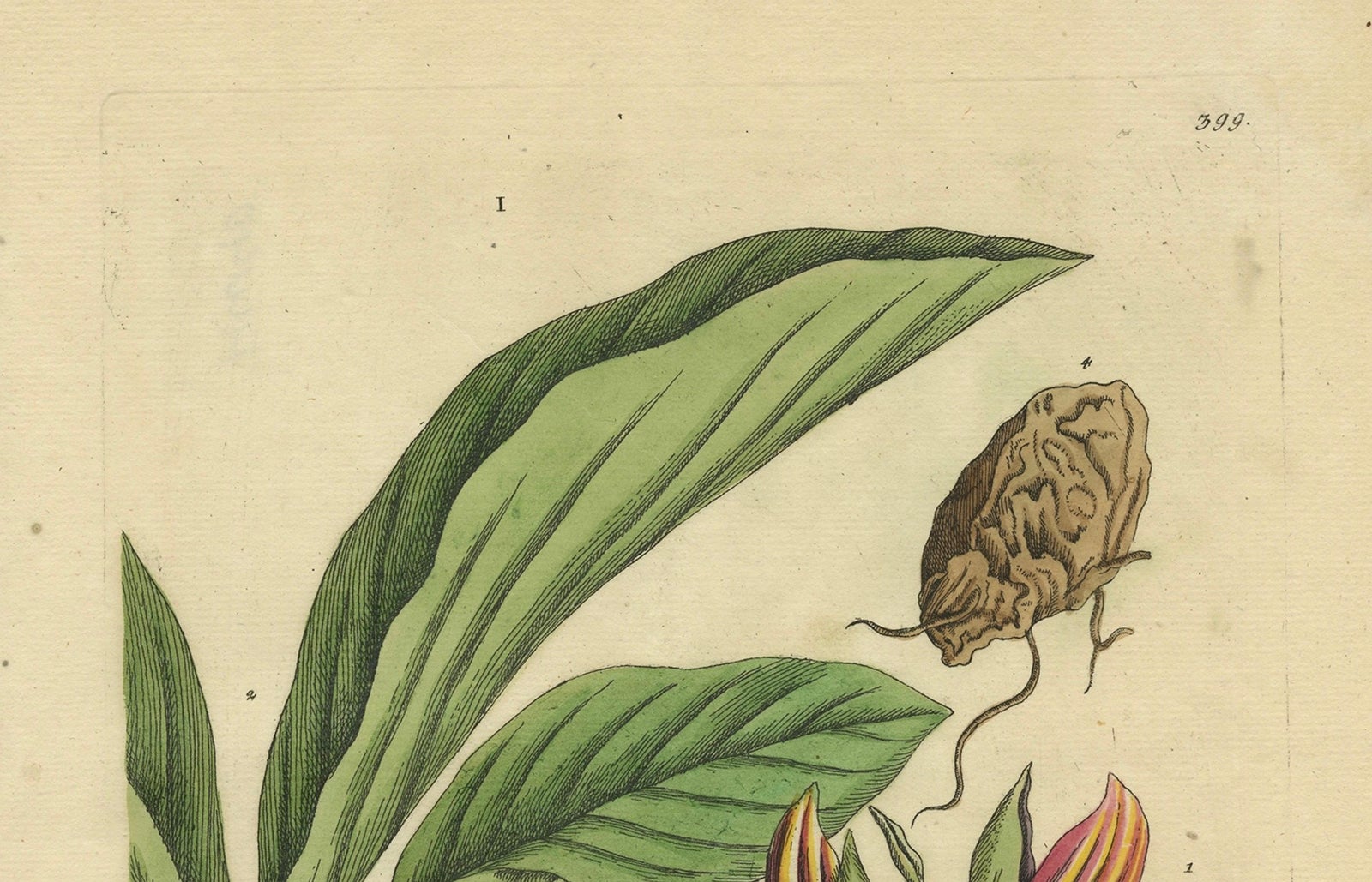
This antique print, titled "Zedoaria," depicts the Curcuma zedoaria, also known as zedoary, white turmeric, or kentjur. The plant is a member of the ginger family, known for its medicinal and culinary uses, particularly in traditional Asian medicine. Zedoary has a bitter taste and is often used to treat digestive issues.
Curcuma zedoaria or Kurkuma, or white turmeric, is special due to its medicinal properties and versatility. It has been used for centuries in Ayurvedic and traditional Chinese medicine for treating digestive disorders, inflammation, and as a natural antiseptic. The rhizome is also used in Asian cooking for its peppery, bitter flavor.
White turmeric grows primarily in tropical and subtropical regions of India, Indonesia, and Southeast Asia, where it thrives in well-drained soils with plenty of humidity and rainfall. Its global usage highlights its value in both culinary and medicinal fields.
This print was made by Elizabeth Blackwell, a pioneering Scottish botanical illustrator, for her famous work "A Curious Herbal", published between 1737 and 1739, which documented many exotic medicinal plants for use by physicians and apothecaries.
Explore