Original Botanical Prints · Flowers
Botanical Splendor: Laburnum and Florae in 18th Century Etching, 1748
No. f_38130092174824.5 × 42.5 cm
Close-ups
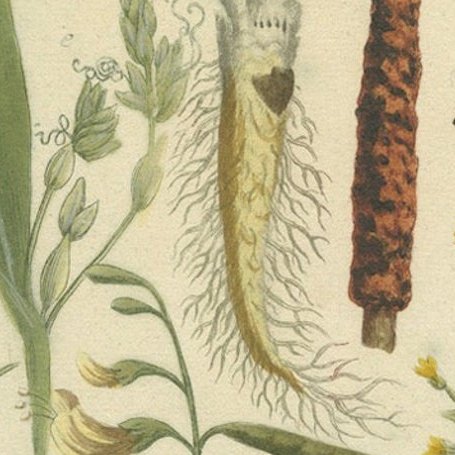
Framed and on the wall


Frame and rooms are illustrations of how the print could look, drawn to its real size; it is sold unframed unless the description says otherwise.
Flowers
Botanical Splendor: Laburnum and Florae in 18th Century Etching, 1748
€490
$550 · £415
Original print, not a reproduction
Ships worldwide from the Netherlands, flat, insured and tracked. 14-day returns. To buy, use Ask a question (info@originalbotanicalprints.com) and we will reserve it for you.
- Date
- 1748
- Sheet size
- 16.7 × 9.6 in (42.5 × 24.5 cm)
- Condition
- Good. Good. Slightly unevenly trimmed left blank margin (remaining width of blank margin still at least 1 cm.), otherwise fine in old handcoloring. Study the images carefully.
- Collection
- Flowers
- Era
- Before 1750, Herbals and florilegia
- Stock no.
- f_38130092
Artist or Maker: Johann Wilhelm Weinmann
Title: "Laburnum, seu Anasyris flore luteo"
Medium: Colored etching
Catalog Number: N.655
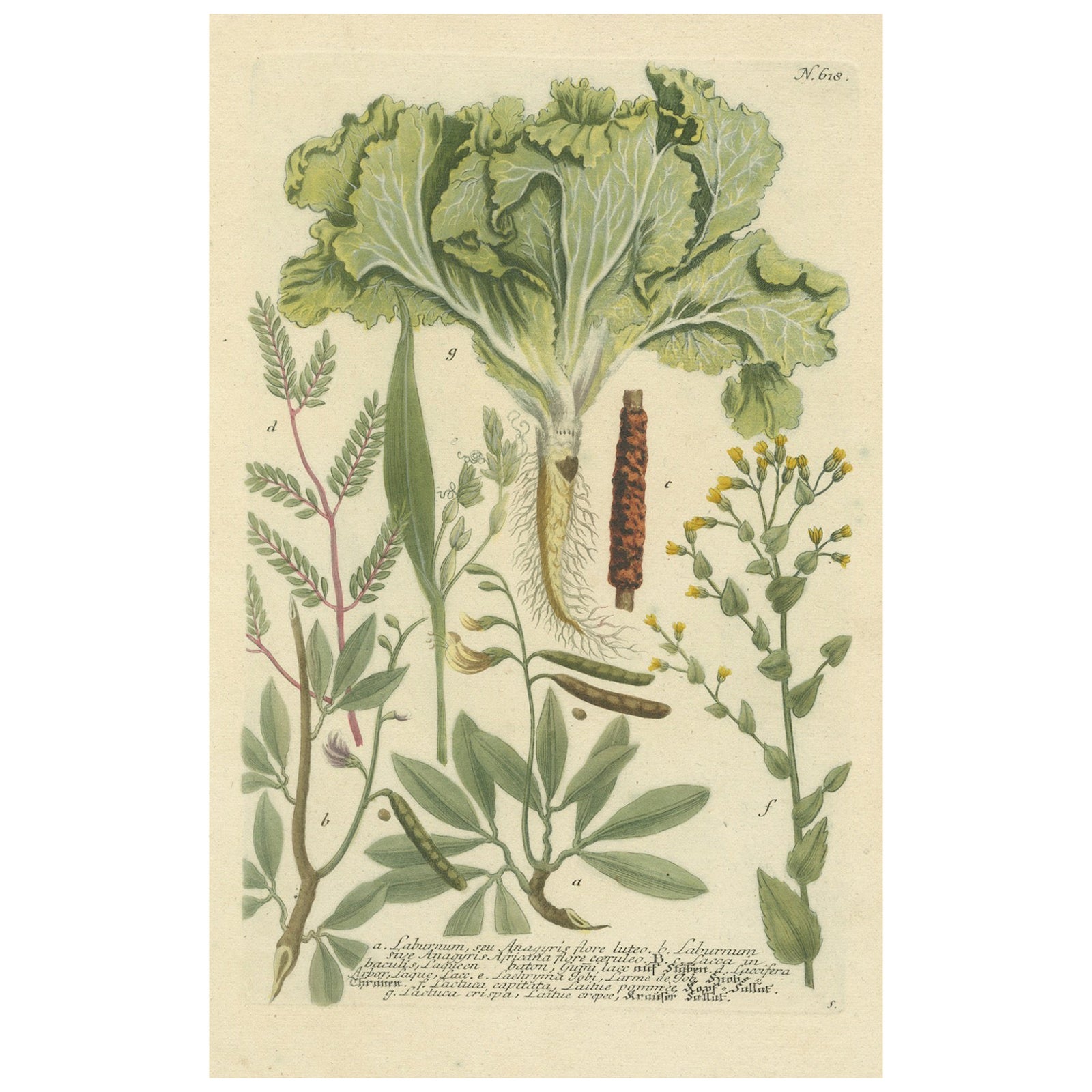
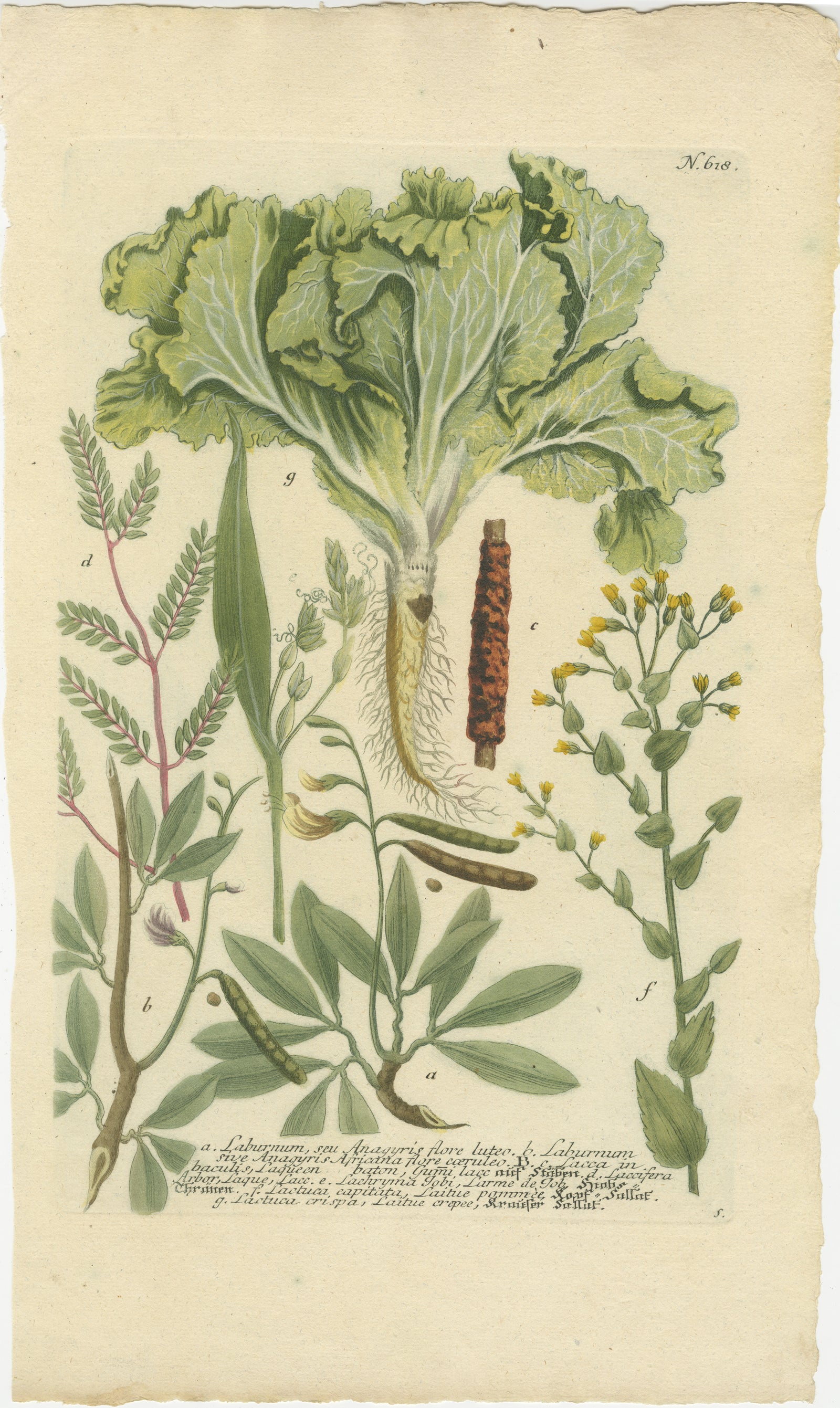
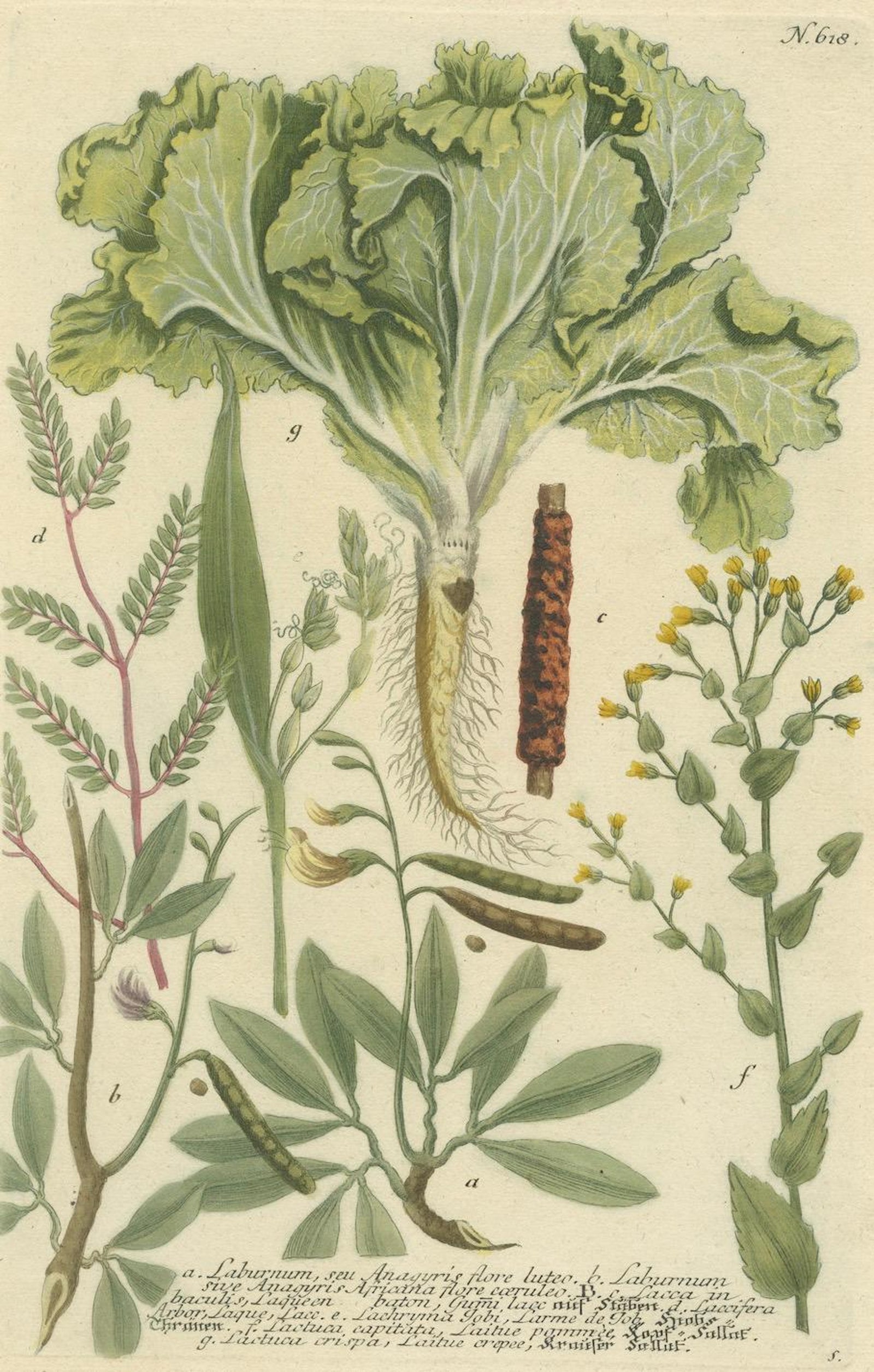
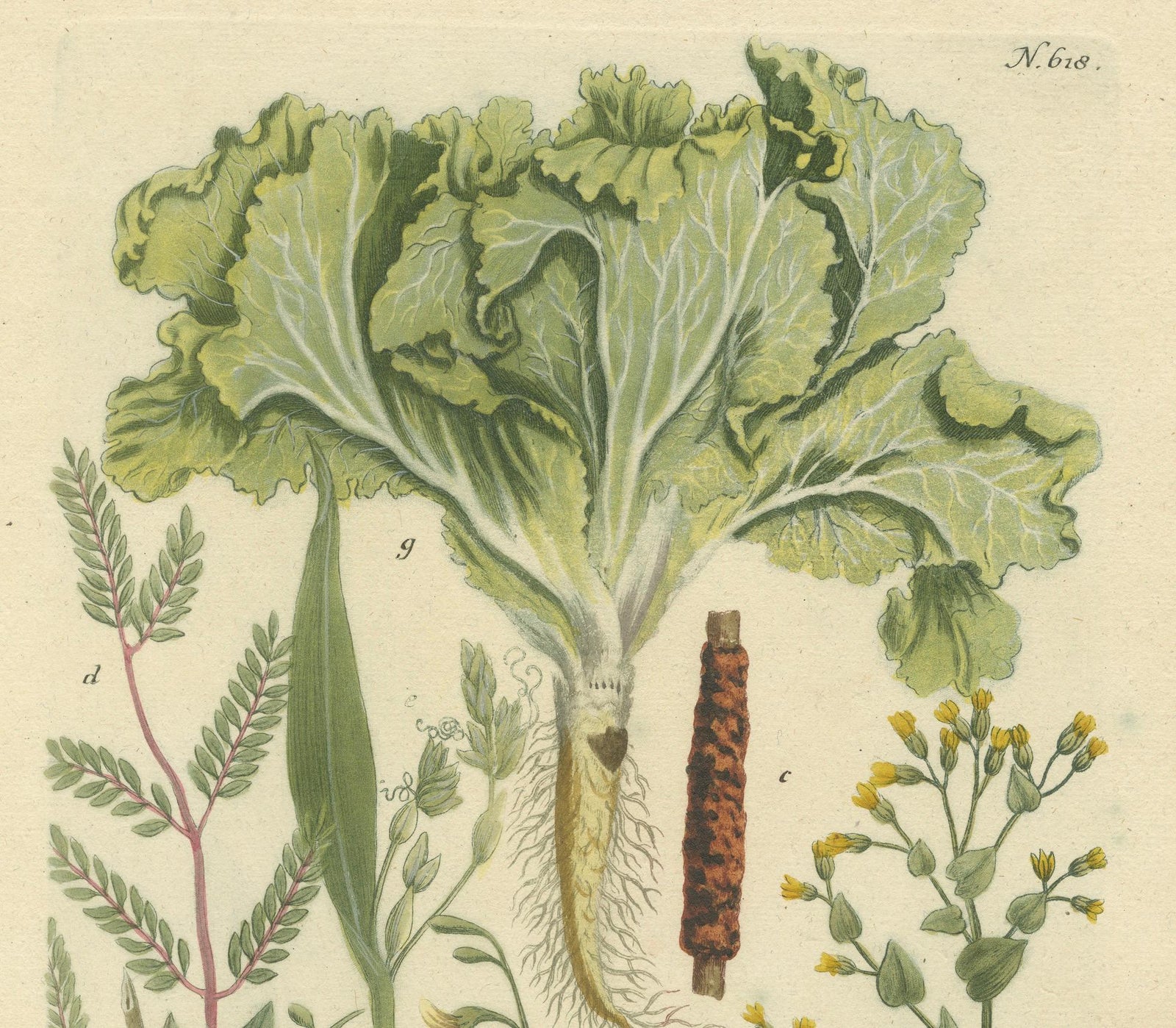
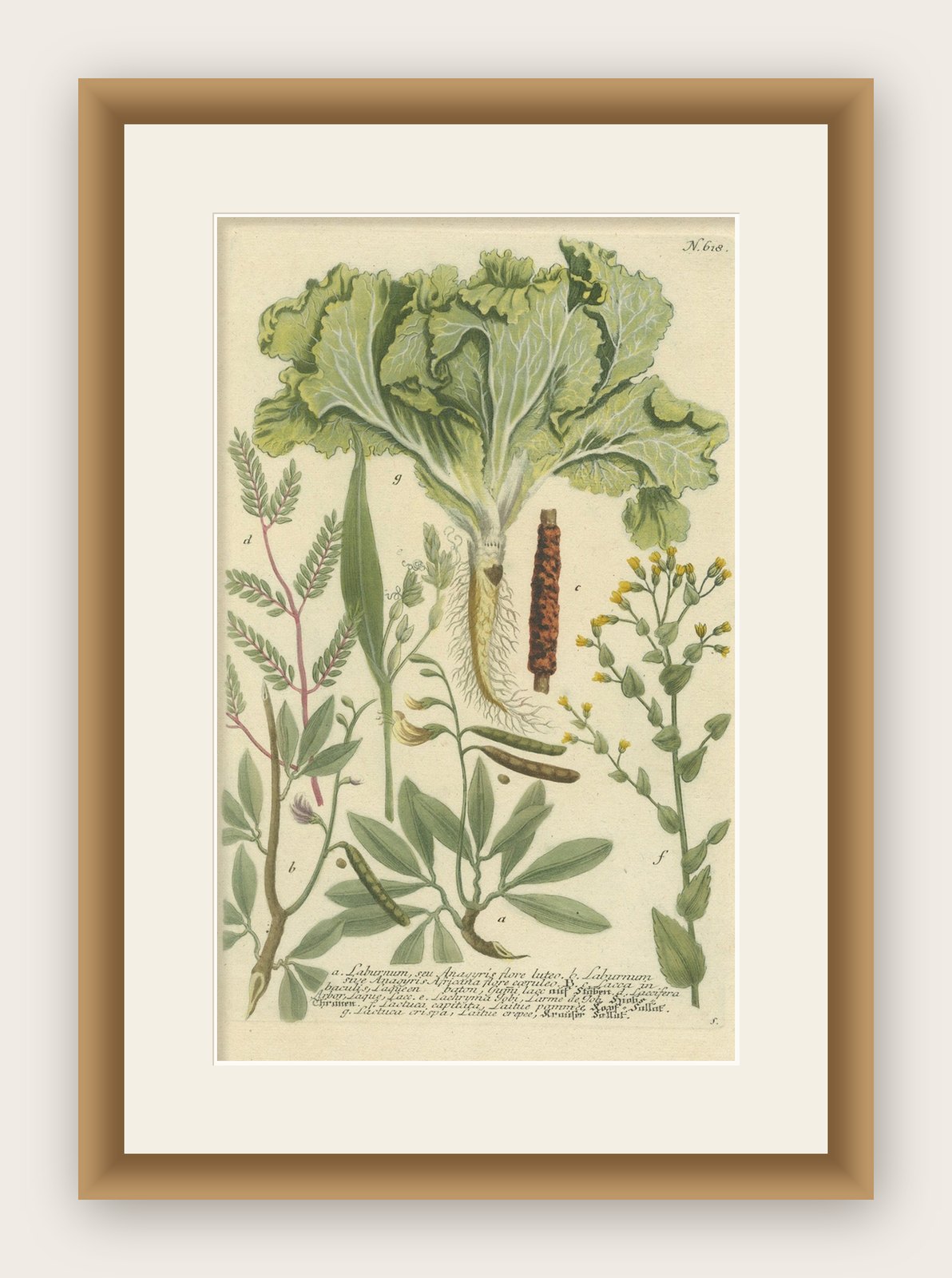
This image is an colored etching from J.W. Weinmann's botanical collection, "Duidelyke vertoning eeniger duizend in alle vier waerelds deelen wassende bomen, stammen, kruiden," dating back to 1748. The etching, numbered "N.618" in the top right corner.
The print features various plants, including what appears to be a depiction of the Laburnum, as indicated by the label "Laburnum, seu Anasyris flore luteo," which refers to the golden chain tree known for its yellow flowers. The image is finely detailed, showing different stages of plant growth and flower anatomy, which was typical of botanical illustrations of that period.
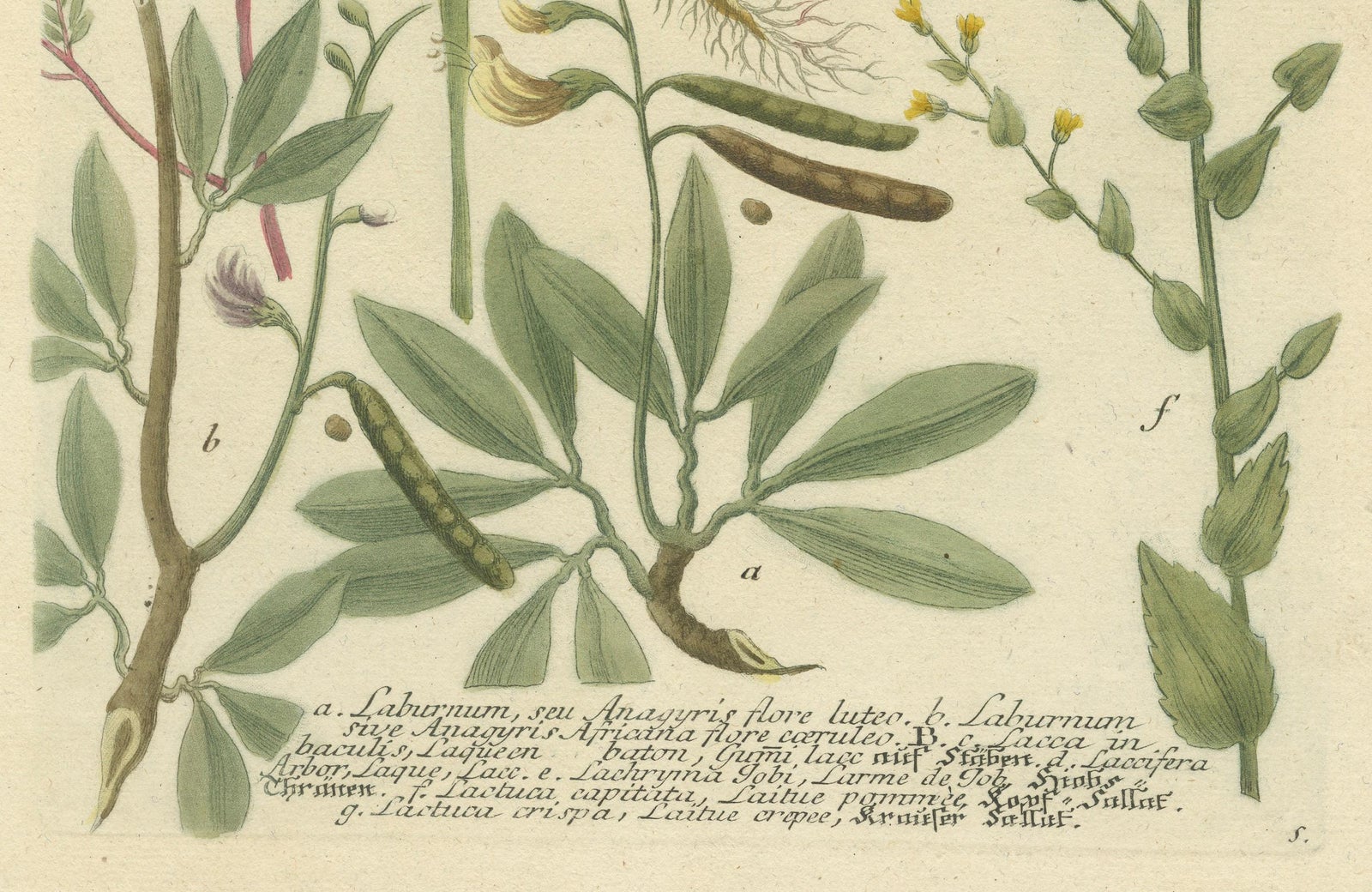
The Latin inscription at the bottom of the etching identifies the plants depicted and can be translated as follows:
- **a. Laburnum, seu Anagyris flore luteo**: This refers to the Laburnum, commonly known as the golden chain tree, which is characterized by its cascading yellow flowers. "Flore luteo" means "with yellow flower."
- **b. Cytisus hirsutus**: This likely refers to a species of the Cytisus genus, possibly a hairy or rough-textured plant, as "hirsutus" means "hairy."
- **c. Cytisus laburnum**: This is another name for the common Laburnum. The Cytisus genus is known for its pea-like flowers and belongs to the Fabaceae family.
- **d. Cytisus sessilifolius**: This could refer to a type of broom with sessile leaves, which are leaves that grow directly from the stem without a petiole.
- **e. Cytisus supinus**: This term could describe a type of broom that has a prostrate or low-growing habit.
- **f. Lithospermum arvense**: Commonly known as corn gromwell or field gromwell, this plant is known for its small white flowers and hard, seed-like fruits.
- **g. Lithospermum purpurocaeruleum**: This might refer to a plant from the Lithospermum genus with purple-blue flowers.
The golden chain tree or Laburnum is noteworthy for its beautiful yellow flowers that hang in dense clusters, resembling chains. The genus name "Laburnum" is derived from the ancient Latin name for the plant. It is a popular ornamental plant in gardens and parks, valued for its vibrant floral display. However, it is important to note that all parts of the Laburnum are highly toxic if ingested.
The Cytisus genus includes various species of broom, which are shrubs with small leaves and often brightly colored flowers. These plants are also used ornamentally, and some species are native to the Mediterranean region.
The Lithospermum genus includes plants that are commonly known for their nutlet seeds, which are hard and stone-like. The mention of "Lithospermum arvense" indicates a species that is likely found in fields or arable land, while "Lithospermum purpurocaeruleum" is noted for its striking purple-blue flowers.
These plants would have been of interest in the 18th century not only for their botanical significance but also for their medicinal properties, as many plants were used for healing purposes during this time. This print serves both as an artistic representation and a scientific record of these species.
Explore