Original Botanical Prints · Flowers
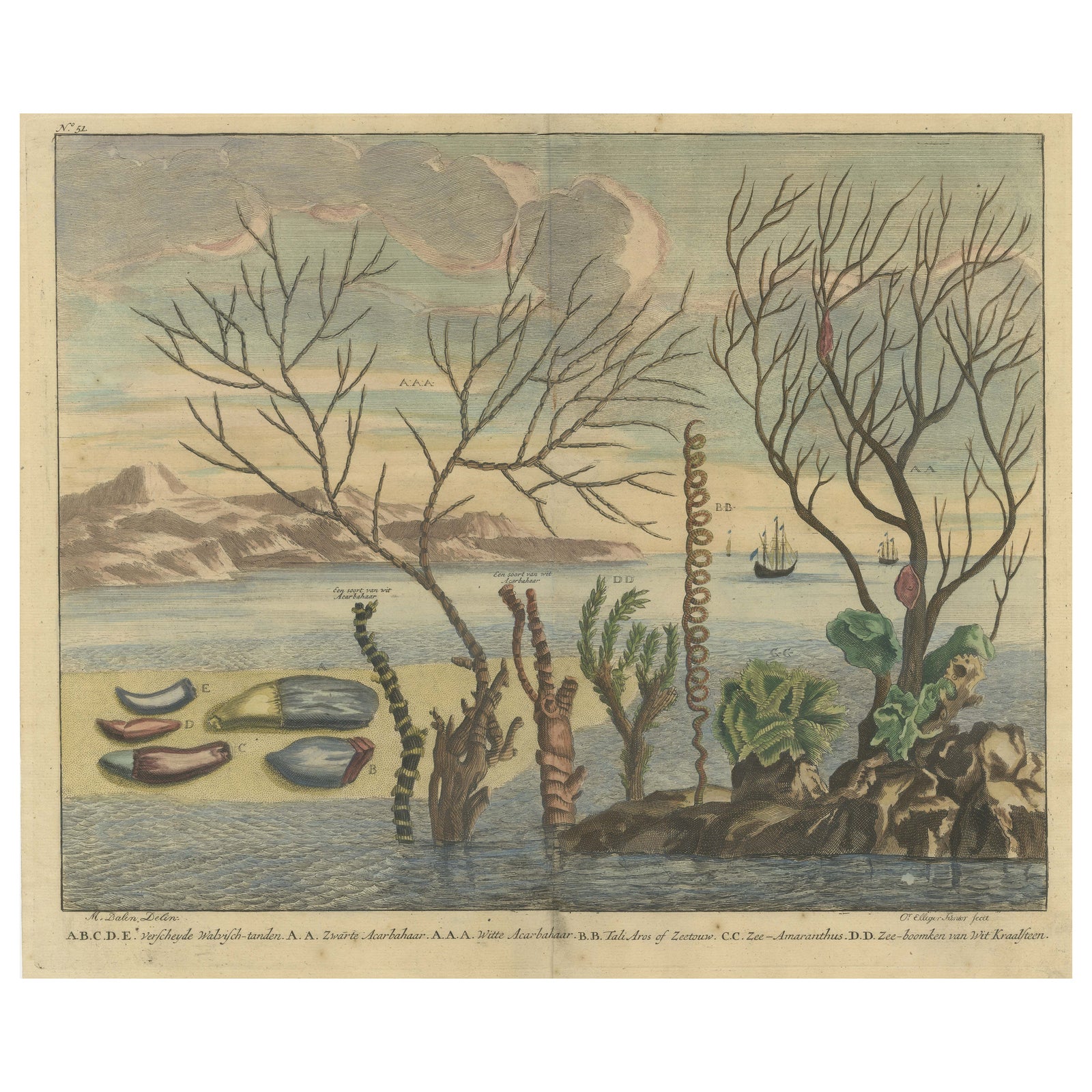
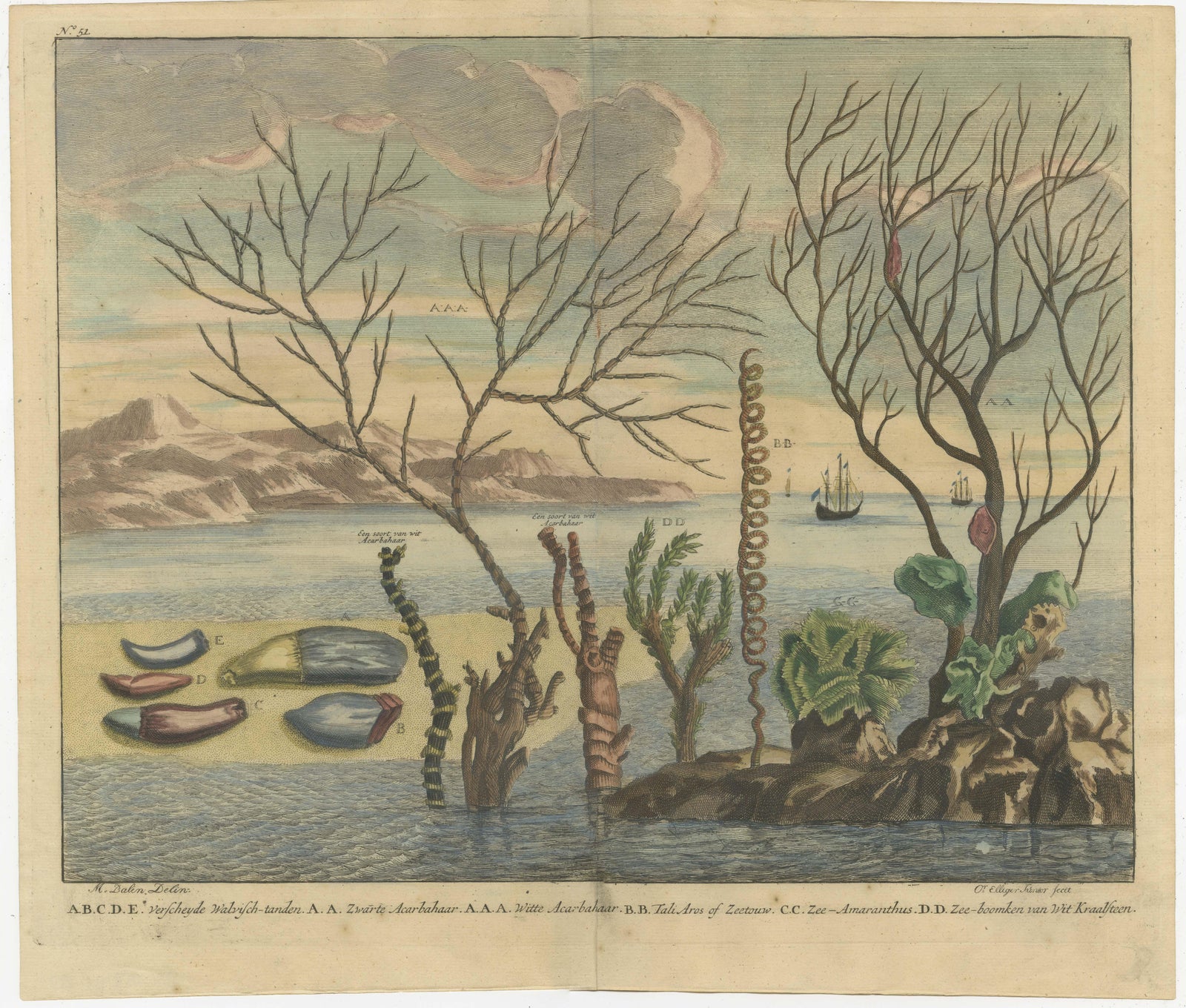
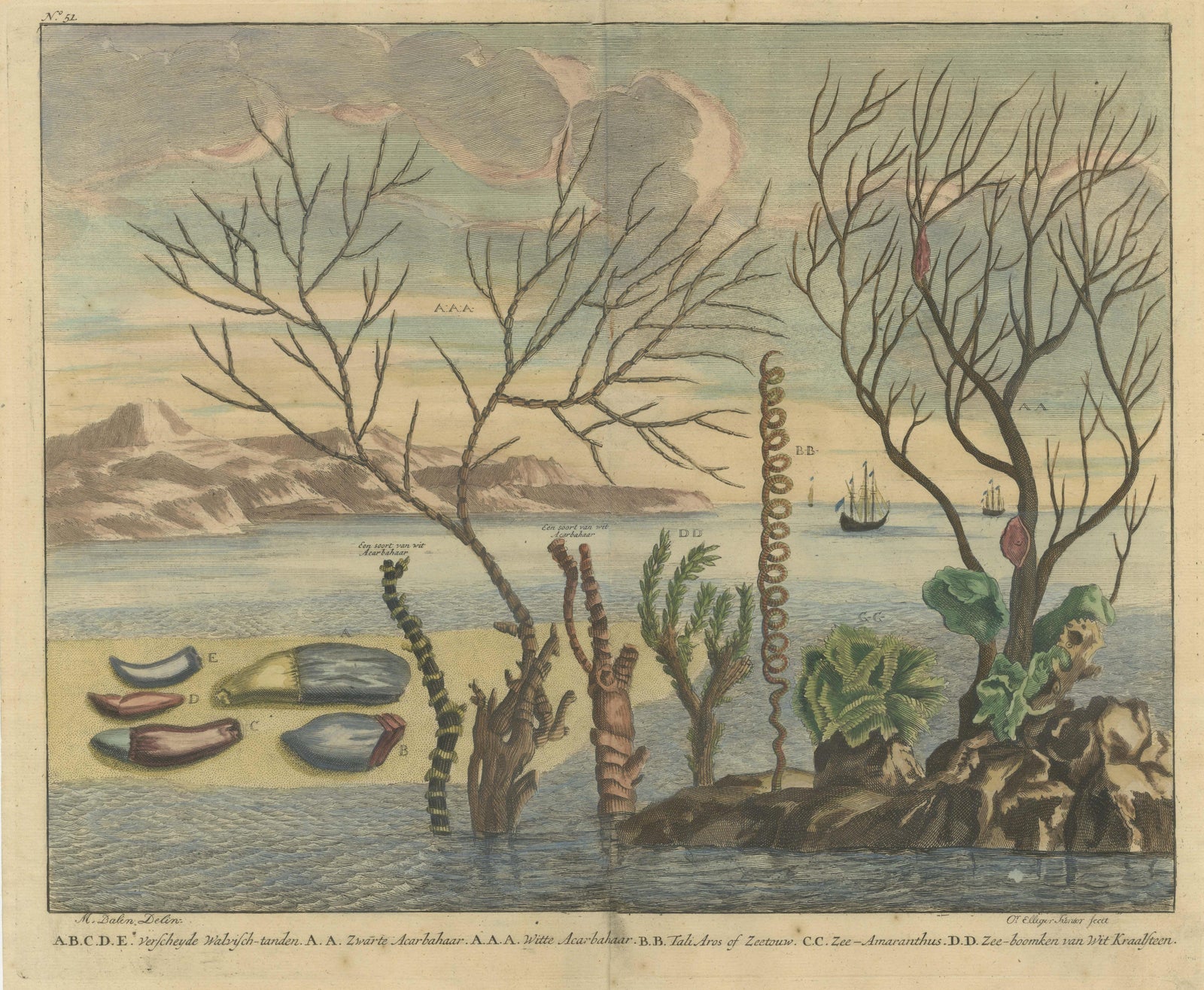
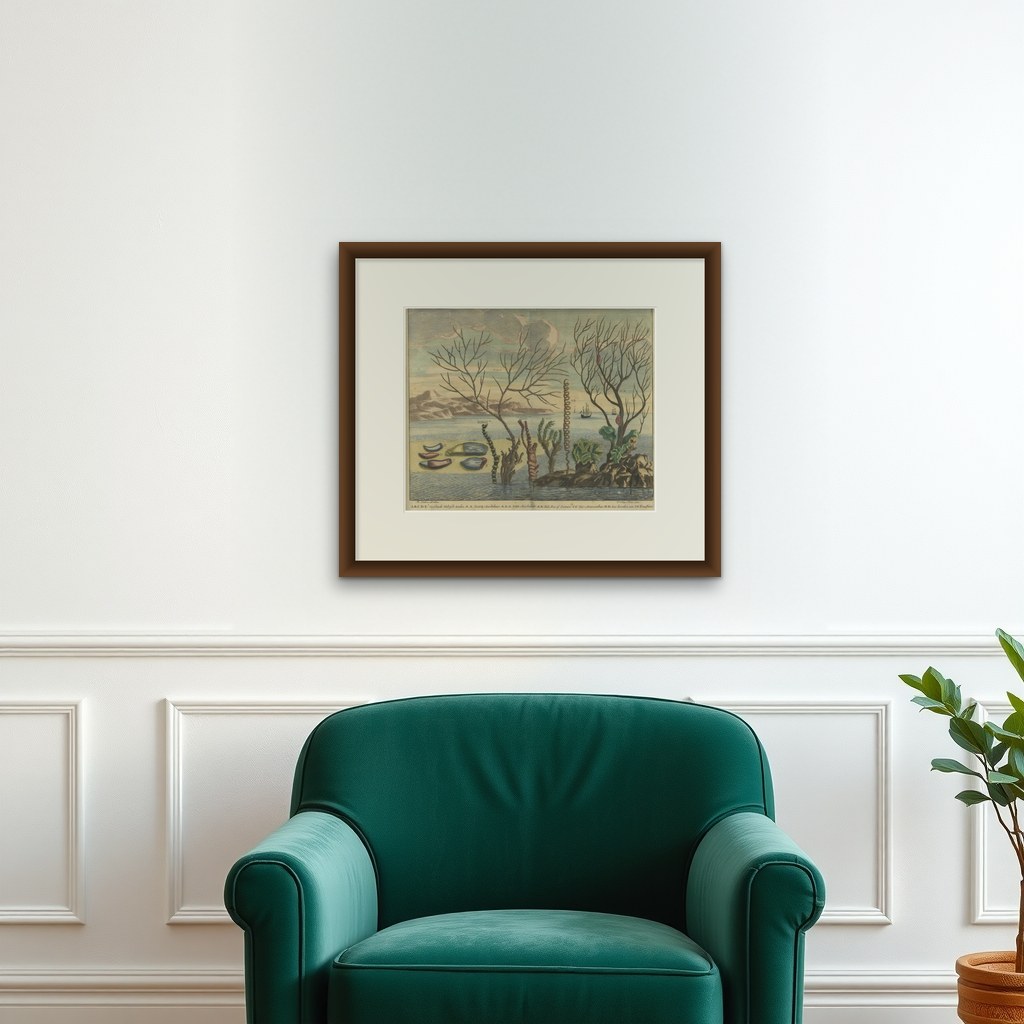
Colored Antique Print of various Water Plants including Coral in Southeast Asia
No. f_31335222Date not stated39 × 33.5 cm
Close-ups
Framed and on the wall

Frame and rooms are illustrations of how the print could look, drawn to its real size; it is sold unframed unless the description says otherwise.
Flowers
Colored Antique Print of various Water Plants including Coral in Southeast Asia
€660
$740 · £560
Original print, not a reproduction
Ships worldwide from the Netherlands, flat, insured and tracked. 14-day returns. To buy, use Ask a question (info@originalbotanicalprints.com) and we will reserve it for you.
- Date
- Not stated
- Sheet size
- 13.2 × 15.4 in (33.5 × 39 cm)
- Condition
- Good. Wear consistent with age and use. Later hand coloring. Original folding line. General age-related toning. Minor wear and soiling, blank verso. Please study image carefully.
- Collection
- Flowers
- Stock no.
- f_31335222
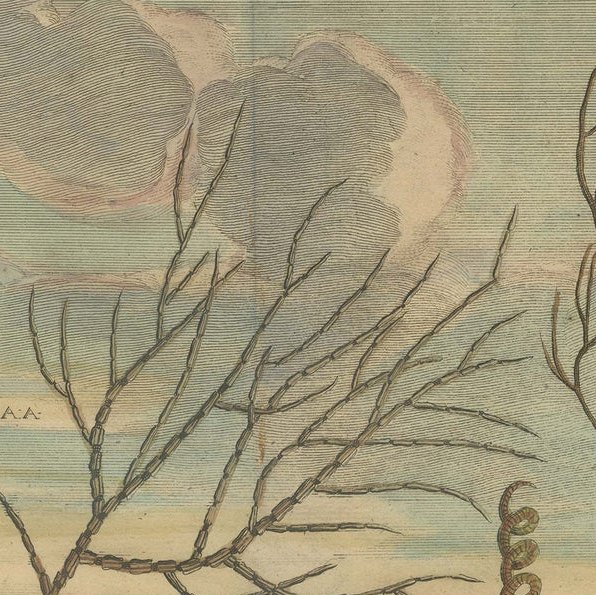
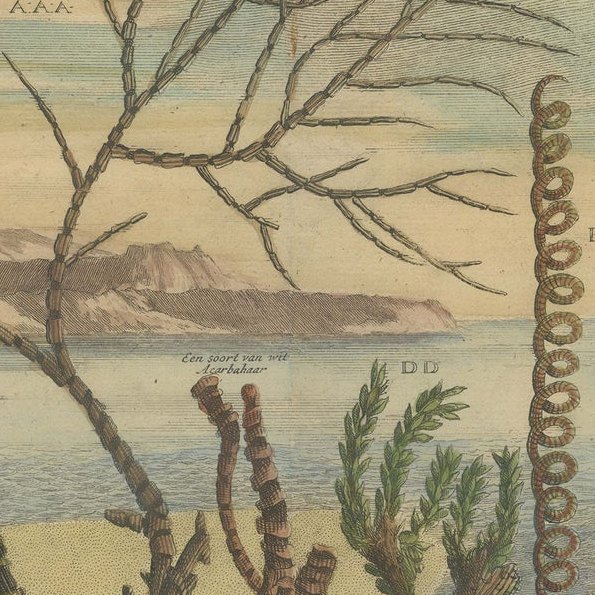
Antique print titled 'Verscheyde Walvisch-tanden, Zwarte Acarbahaar (..)'. This print depicts various water plants including coral native to South East Asia/Indonesia. On the left five whale teeth. In the background sailing vessels.
François Valentyn or Valentijn (17 April 1666 to 6 August 1727) was a Dutch Calvinist minister, naturalist and author whose Oud en Nieuw Oost-Indiën ("Old and New East-India") describes the history of the Dutch East India Company while also making notes on geography, ethnography, and natural history; half is about the Moluccas.
In total, Valentyn lived in the East Indies 16 years. Valentyn was first employed by the V.O.C. (Vereenigde Oost-Indische Compagnie) at the age of 19 as minister to the East Indies, where he became a friend of the German naturalist Georg Eberhard Rumpf (Rumphius). He returned and lived in Holland for about ten years before returning to the Indies in 1705 where he was to serve as army chaplain on an expedition in eastern Java. He finally returned to Dordrecht where he found time to write his Oud en Nieuw Oost-Indiën (1724 to 26) a massive work of five parts published in eight volumes and containing 1,200 engraved illustrations and some of the most accurate maps of the Indies of the time.