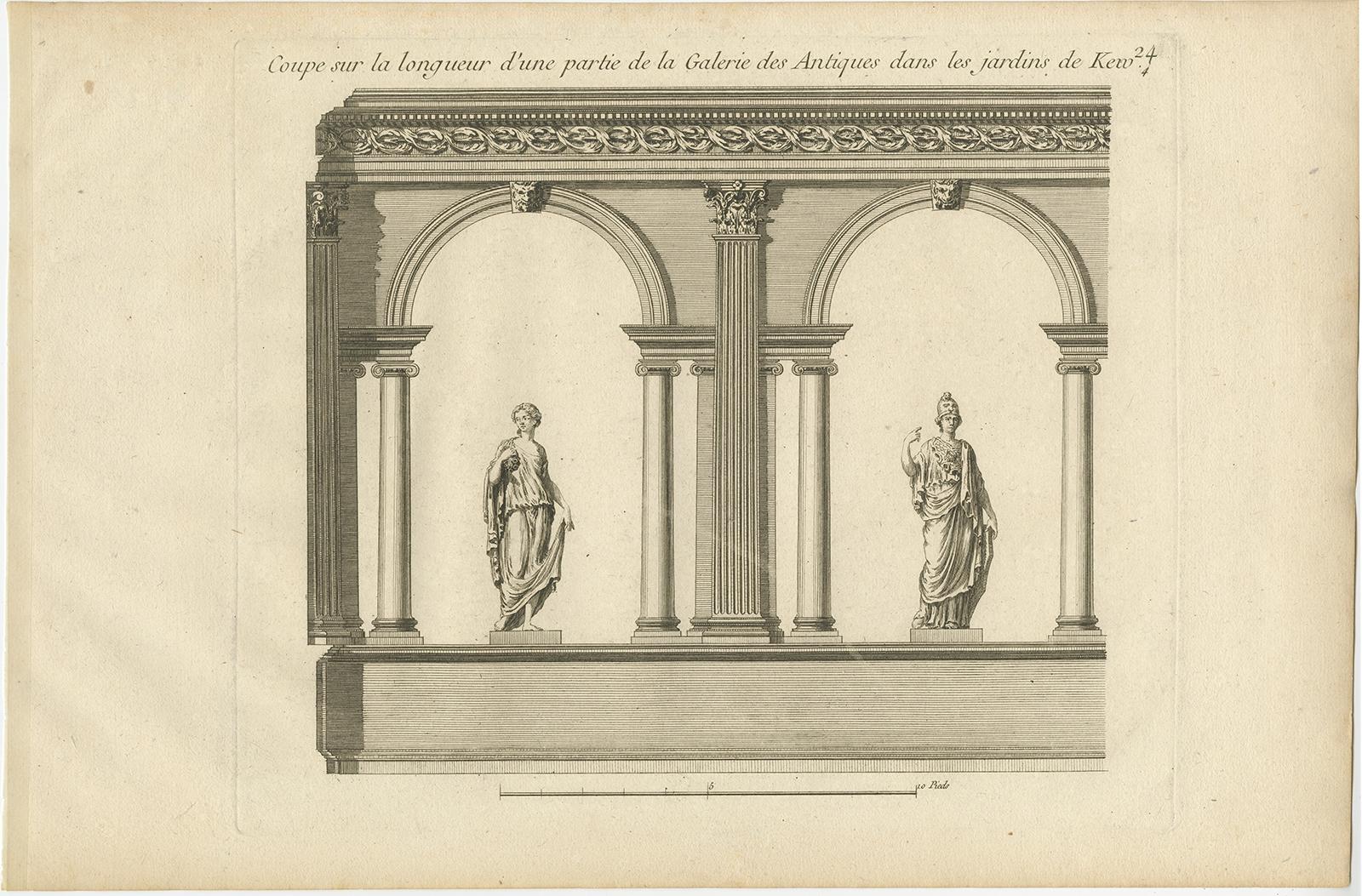
Close-ups
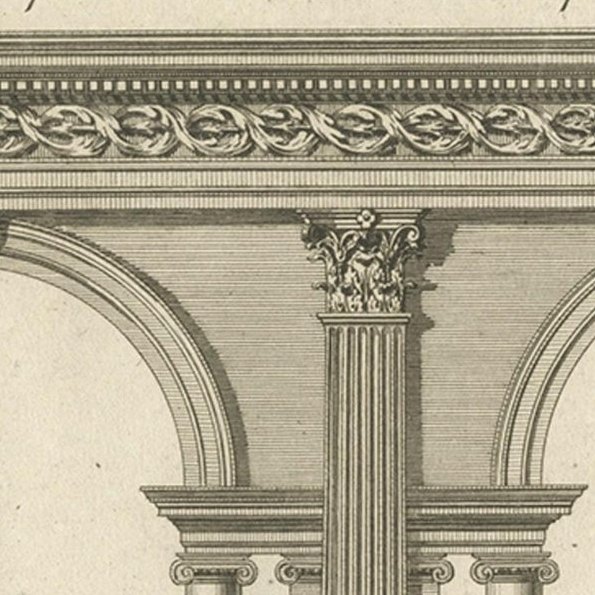
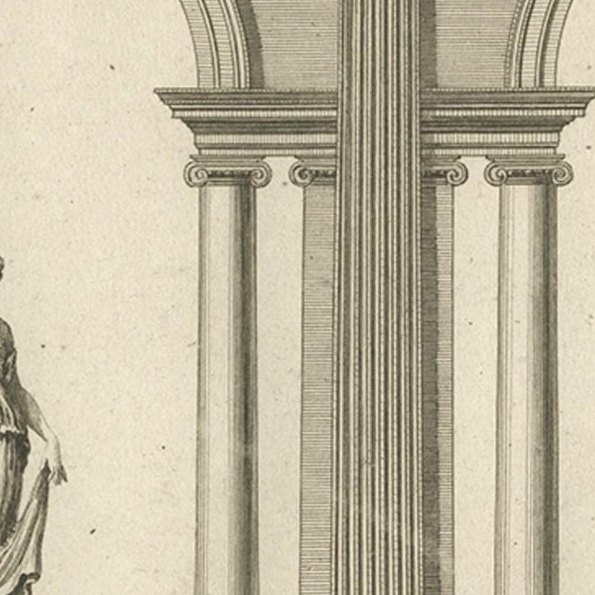
Framed and on the wall
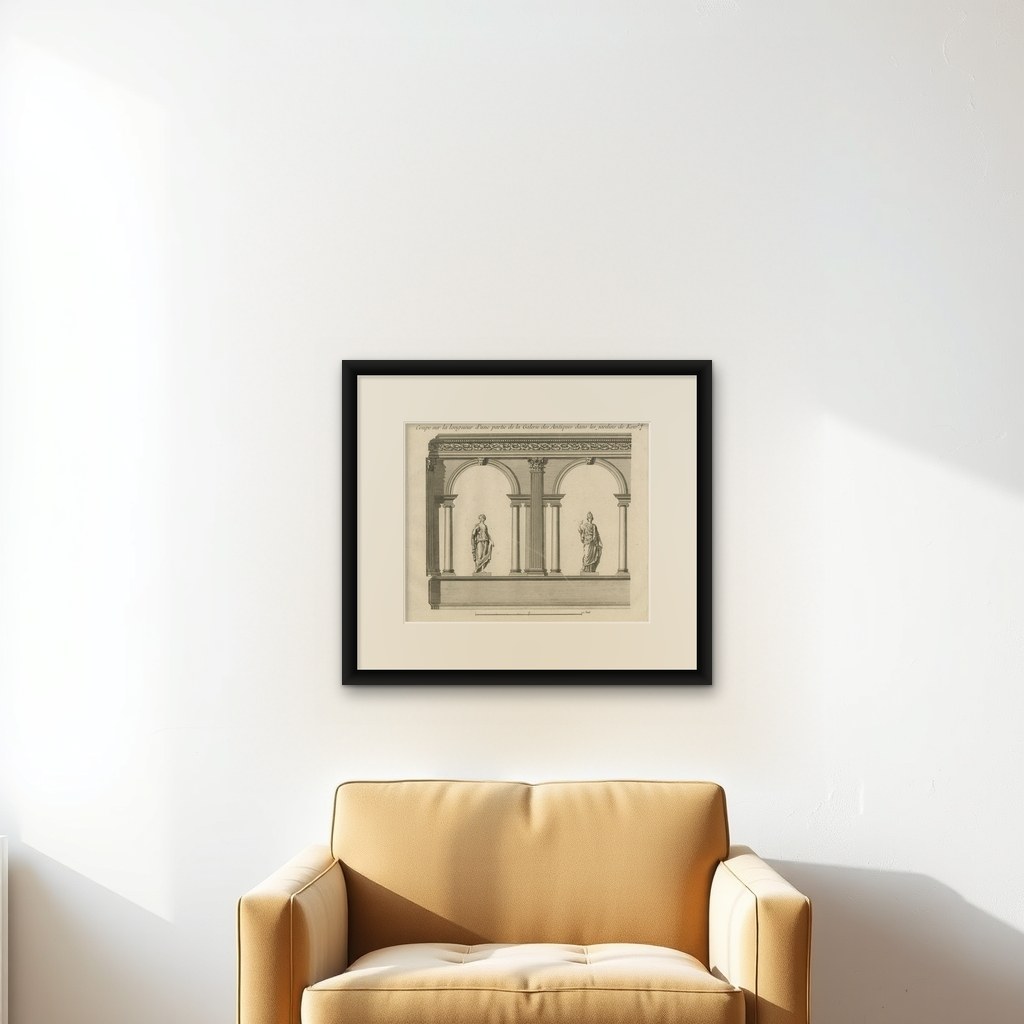

Frame and rooms are illustrations of how the print could look, drawn to its real size; it is sold unframed unless the description says otherwise.
Gardens
Copper Engraving of a Section of the Royal Botanic Gardens, Kew, London, 1776
£325£23030% off
$300 · €273
Original print, not a reproduction
Ships worldwide from the Netherlands, flat or rolled, insured and tracked. 14-day returns.
- Date
- 1776
- Sheet size
- 10.8 × 16.1 in (27.5 × 41 cm)
- Condition
- Good
- Collection
- Gardens
- Era
- 1750 to 1799, The age of Linnaeus
- Stock no.
- BG-12208-59
What the condition grades mean
- Excellent
- Bright and clean, with no faults worth mentioning.
- Very good
- Only light signs of age, such as faint toning.
- Good
- Normal signs of age for a sheet of this period: toning, some foxing, small marks or neat old repairs.
- Fair
- Clear faults such as staining, tears or repairs, priced to match.
Every fault we see is written in the condition note, and the whole sheet is shown uncropped in the photos.
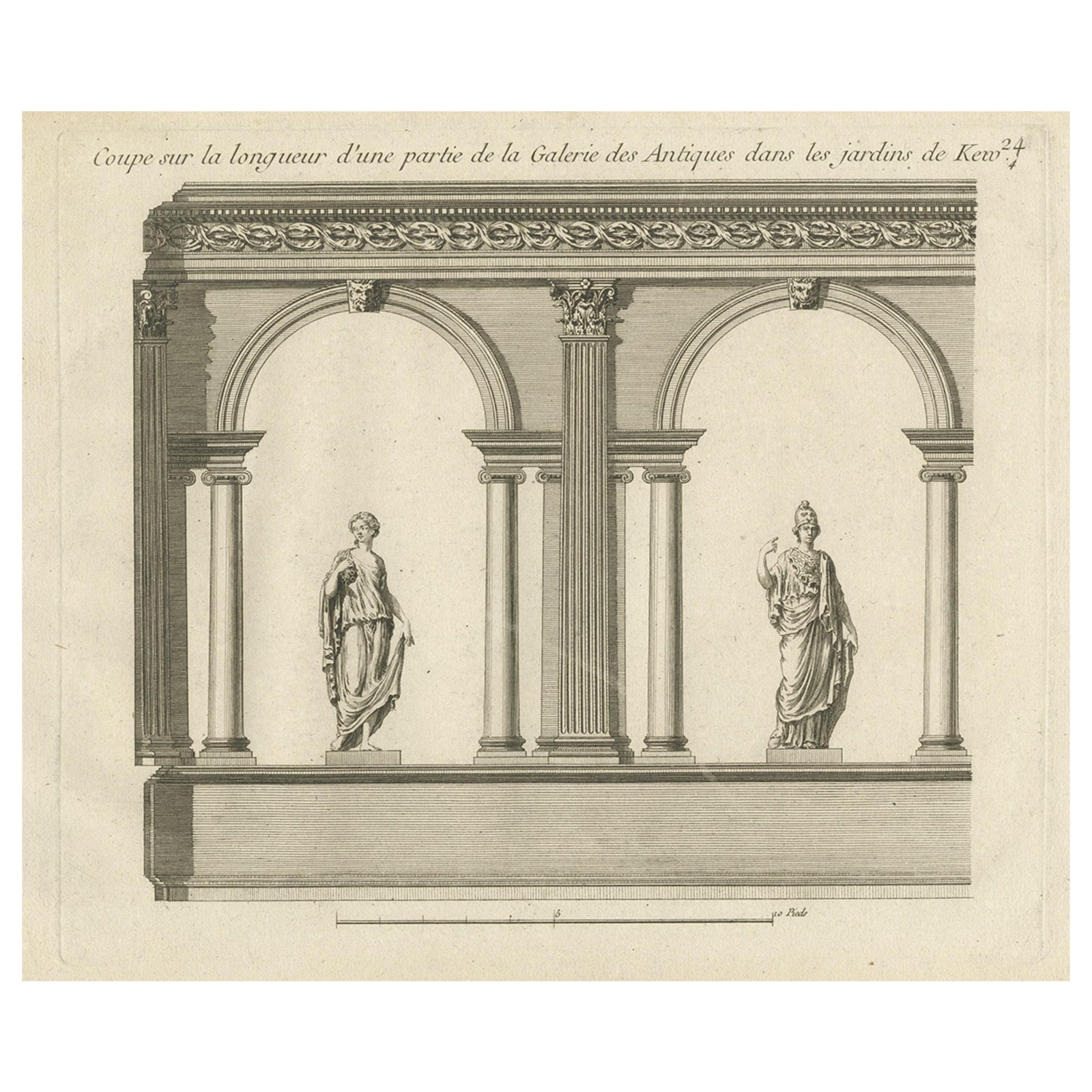
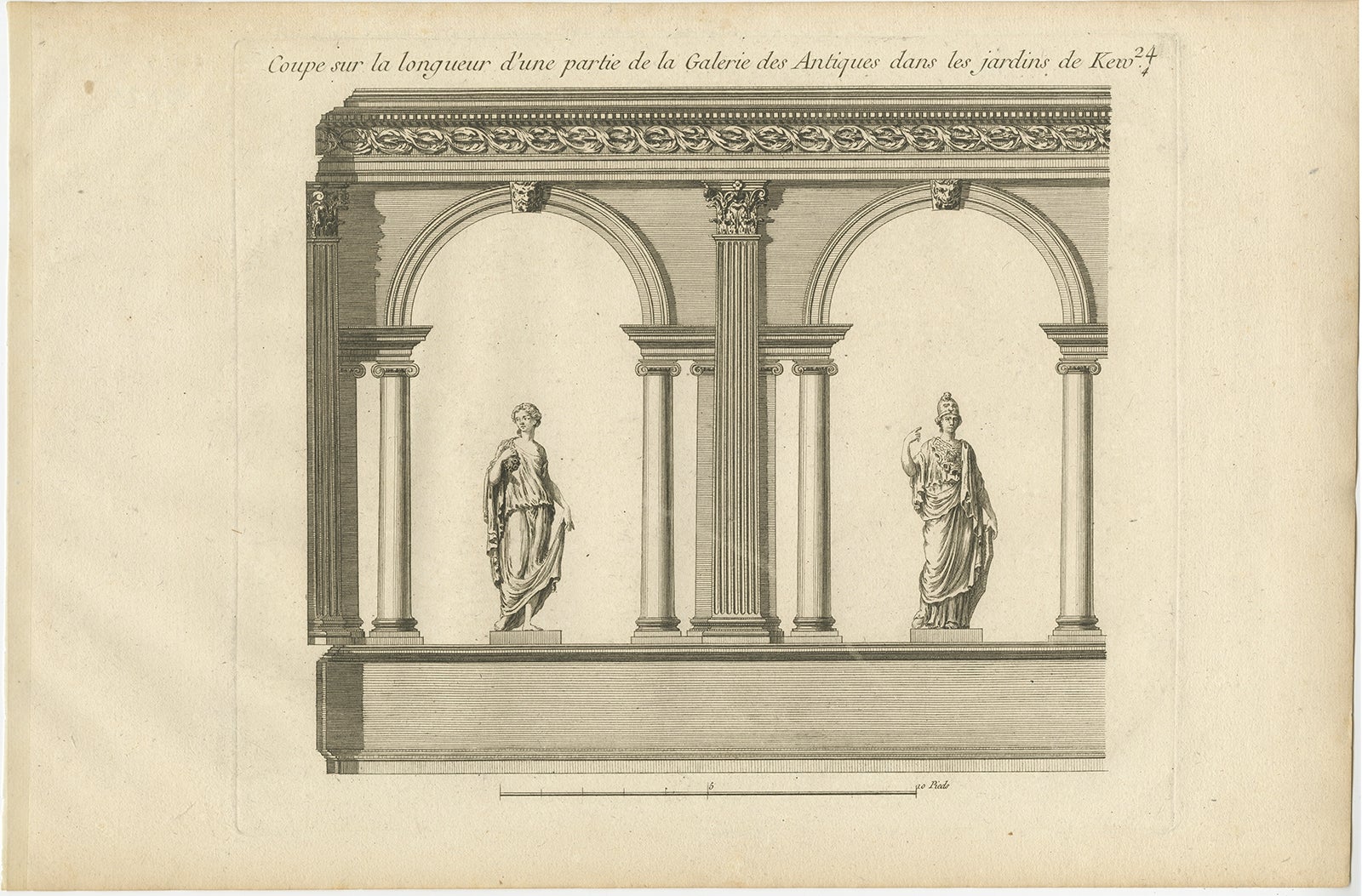
Antique print titled 'Coupe sur la longueur d'une partie de la Galerie des Antiques dans les jardins de Kew'.
Copper engraving showing a section of the Royal Botanic Gardens, Kew. This print originates from 'Jardins Anglo-Chinois à la Mode' by Georg Louis le Rouge.
Kew Gardens is a botanic garden in southwest London that houses the "largest and most diverse botanical and mycological collections in the world". Founded in 1840, from the exotic garden at Kew Park, its living collections includes some of the 27,000 taxa curated by Royal Botanic Gardens, Kew, while the herbarium, which is one of the largest in the world, has over 8.5 million preserved plant and fungal specimens. The library contains more than 750,000 volumes, and the illustrations collection contains more than 175,000 prints and drawings of plants. It is one of London's top tourist attractions and is a World Heritage Site.
Kew Gardens, together with the botanic gardens at Wakehurst in Sussex, are managed by the Royal Botanic Gardens, Kew, an internationally important botanical research and education institution that employs over 1,100 staff and is a non-departmental public body sponsored by the Department for Environment, Food and Rural Affairs.
The Kew site, which has been dated as formally starting in 1759, though it can be traced back to the exotic garden at Kew Park, formed by Henry, Lord Capell of Tewkesbury, consists of 132 hectares (330 acres) of gardens and botanical glasshouses, four Grade I listed buildings, and 36 Grade II listed structures, all set in an internationally significant landscape. It is listed Grade I on the Register of Historic Parks and Gardens.
Kew Gardens has its own police force, Kew Constabulary, which has been in operation since 1847.
Artists and Engravers: The work of Le Rouge is considered the most important engraved work concerning the history of European gardens during the 18th century.
Explore