Original Botanical Prints · Flowers
Lush and Vibrant: A Collection of Exotic Botanical Illustrations, circa 1875
No. f_41456202187516 × 24.5 cm
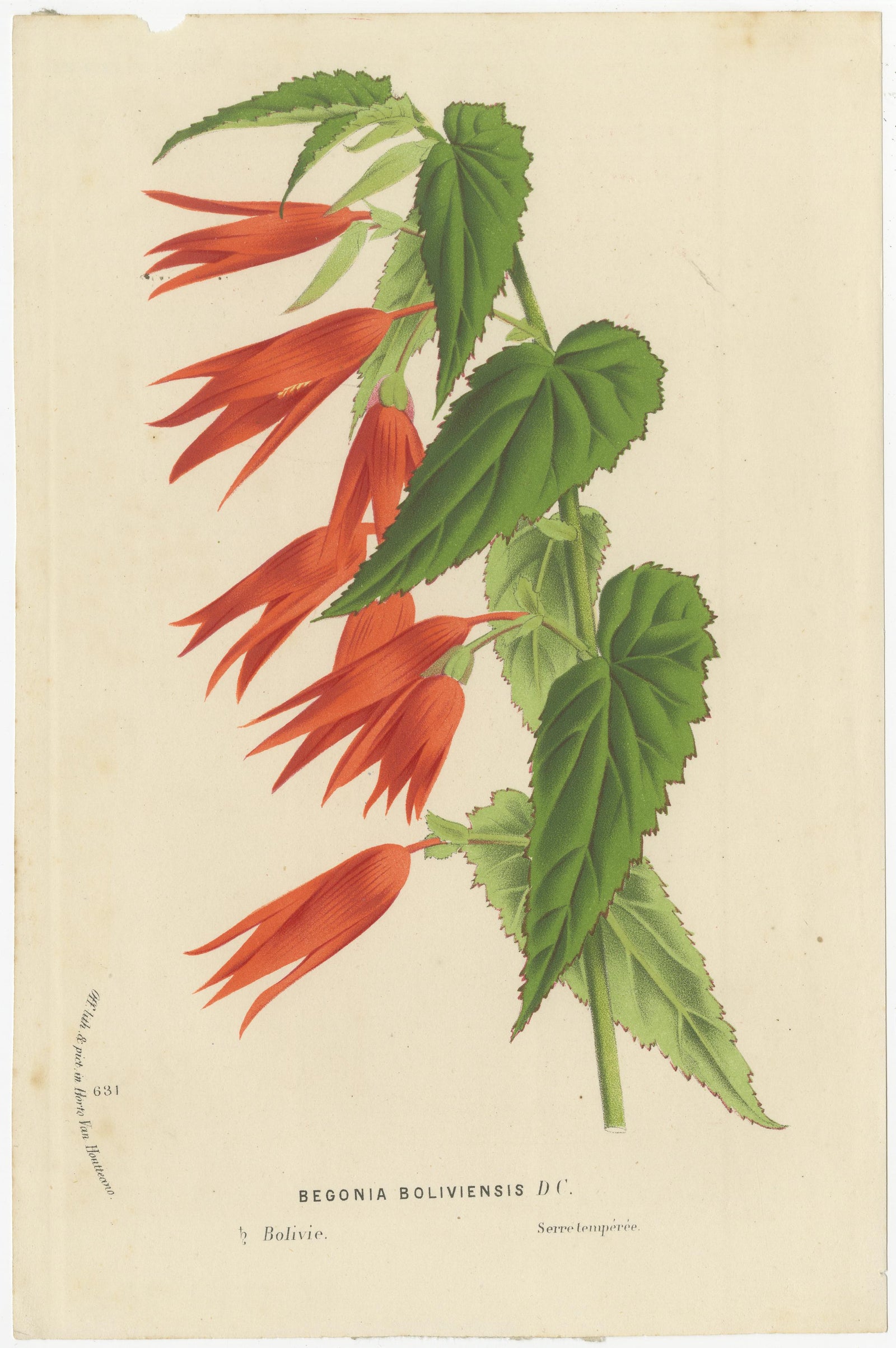
Close-ups
Framed and on the wall
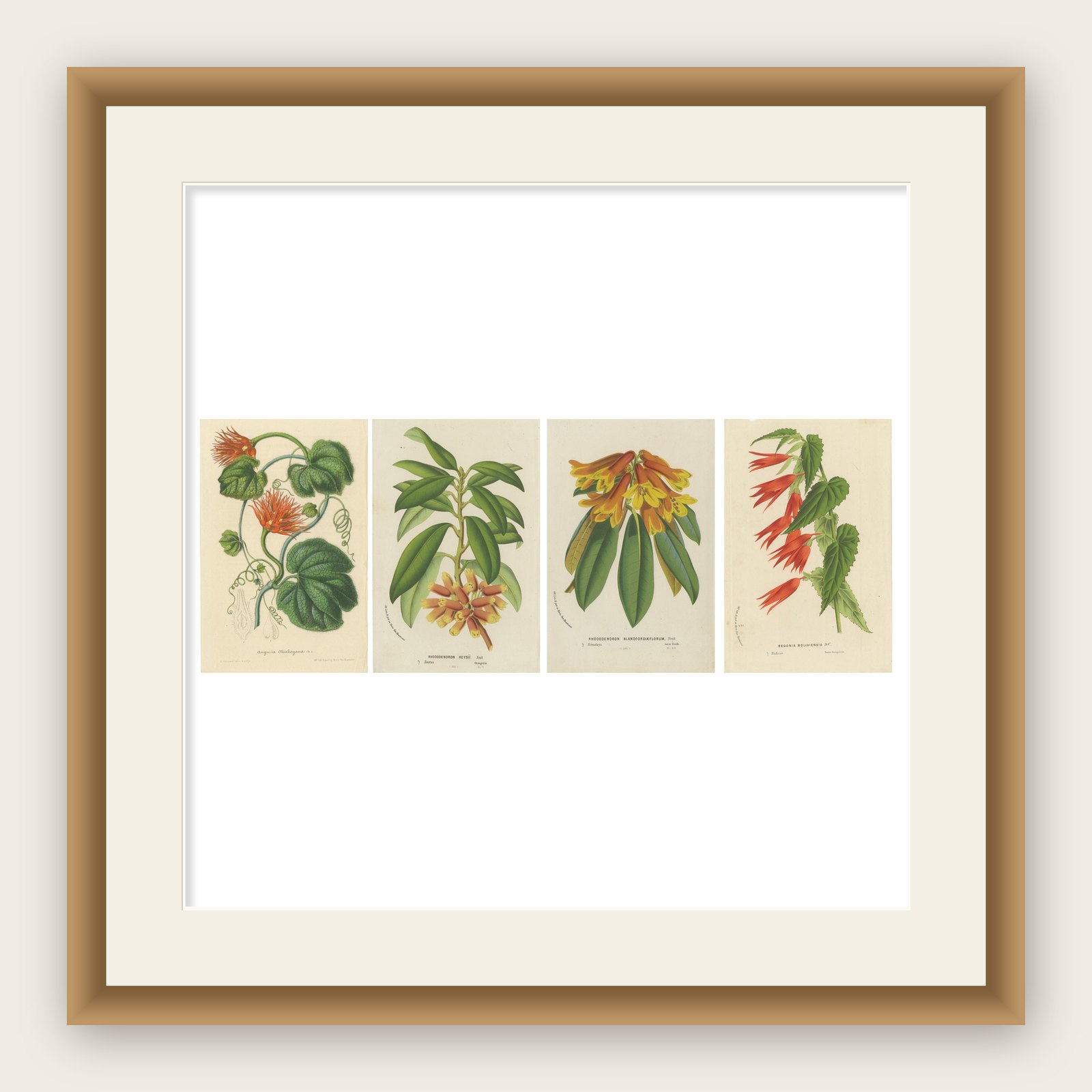


Frame and rooms are illustrations of how the print could look, drawn to its real size; it is sold unframed unless the description says otherwise.
Flowers
Lush and Vibrant: A Collection of Exotic Botanical Illustrations, circa 1875
$460
€410 · £350
Original print, not a reproduction
Ships worldwide from the Netherlands, flat, insured and tracked. 14-day returns. To buy, use Ask a question (info@originalbotanicalprints.com) and we will reserve it for you.
- Date
- 1875
- Sheet size
- 9.6 × 6.3 in (24.5 × 16 cm)
- Condition
- Good. Given age. General age-related toning and/or occasional minor defects from handling. Colors are vivid. Please study scan carefully.
- Collection
- Flowers
- Era
- 1850 and after, Chromolithographs and plant hunters
- Stock no.
- f_41456202
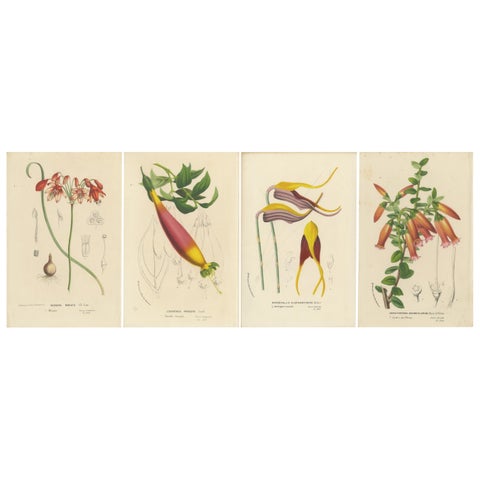
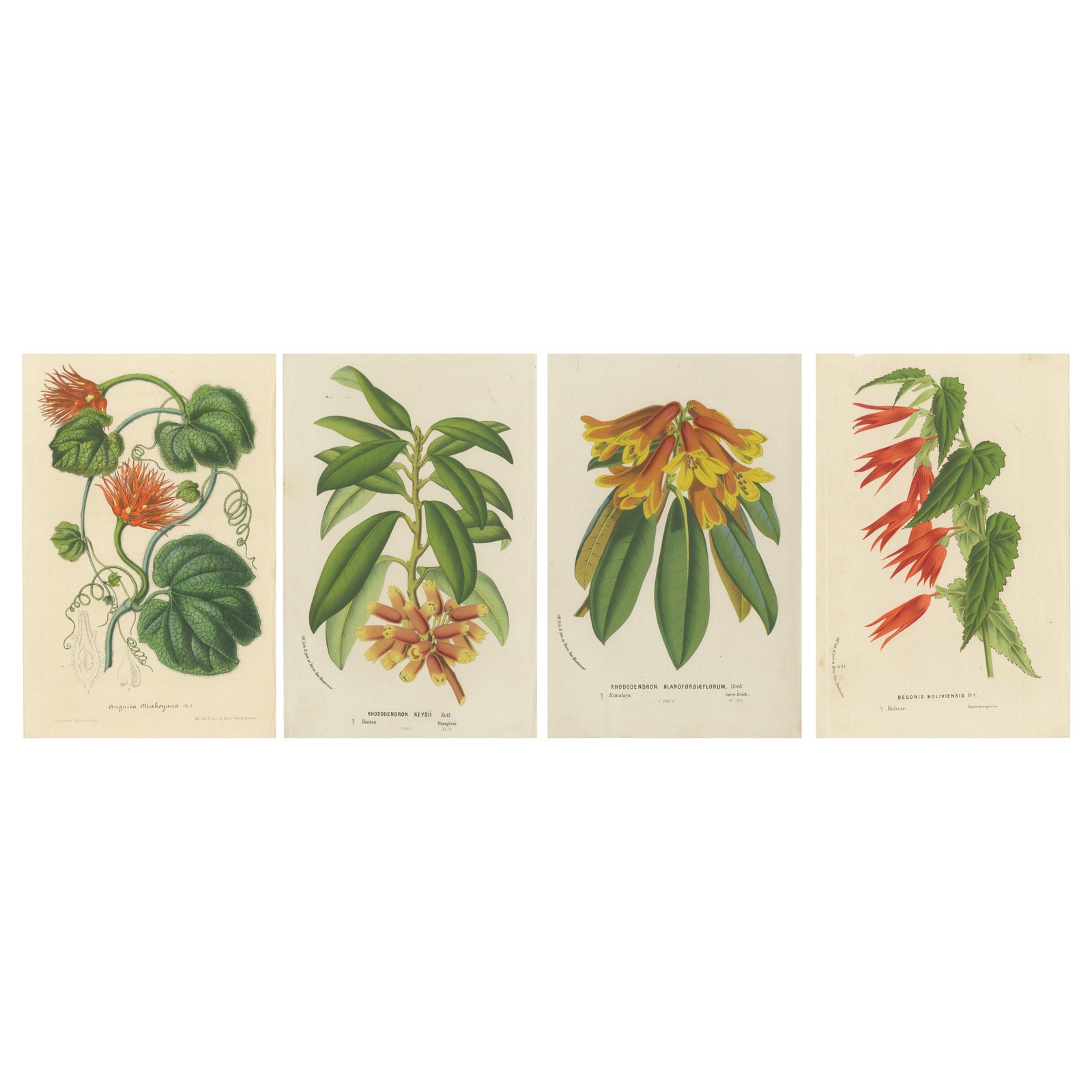
The prints depict a selection of exotic plants with a remarkable detail and vibrant color, showcasing the beauty and diversity of botanical life. Each illustration is a testament to the artistic and scientific efforts to document flora during a time when botanical studies were both a scholarly pursuit and a popular interest. Here's an overview of each plant:
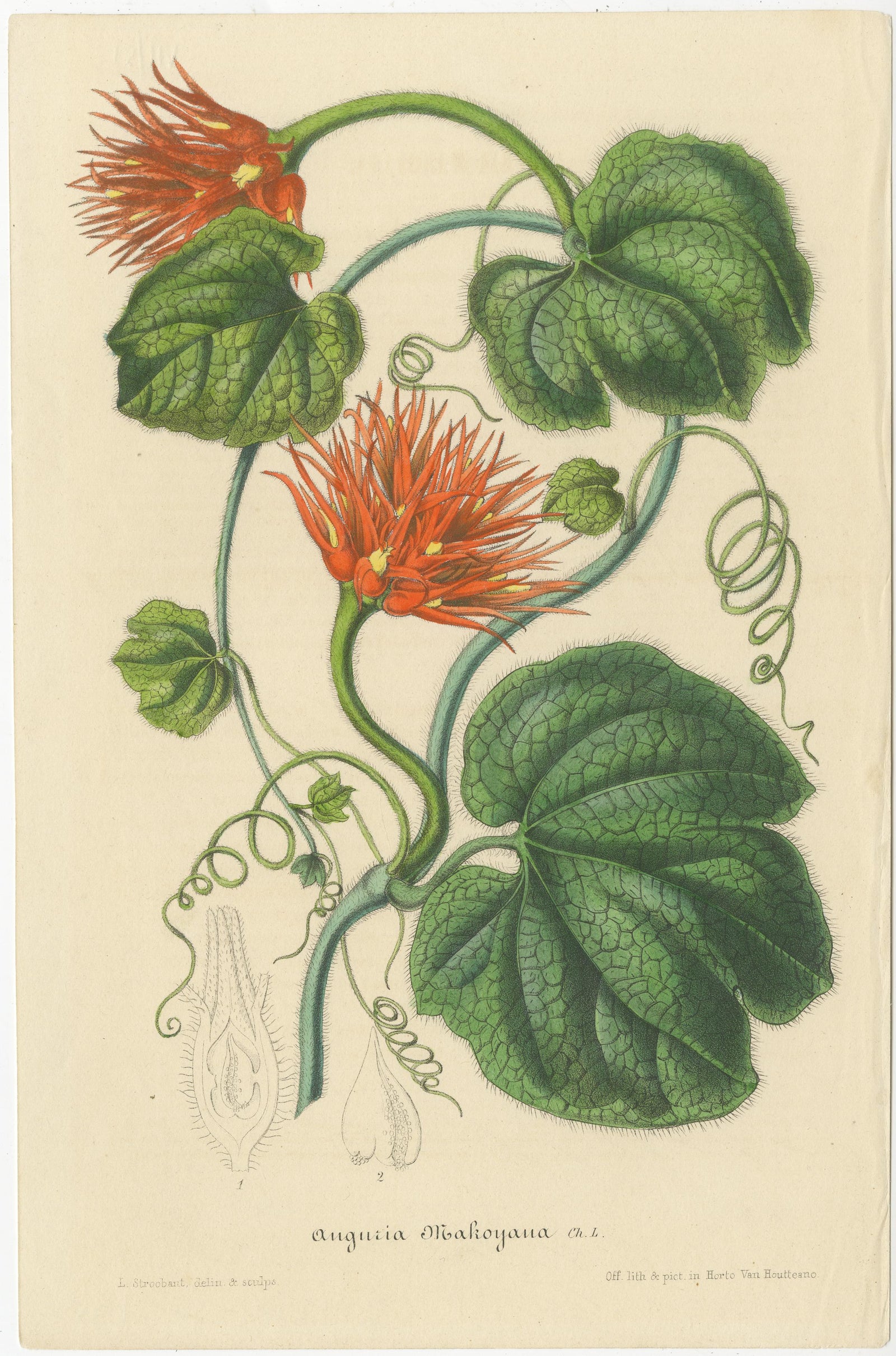
1. Passiflora mollissima
, **Latin Name:** Passiflora mollissima
, **English Name:** Banana Passionfruit
, **Description and Interest:** This plant is renowned for its striking, elongated pink flowers and its edible, banana-shaped fruits. It's particularly interesting for its ornamental value and its use in gardens as a decorative climber that also produces fruit.
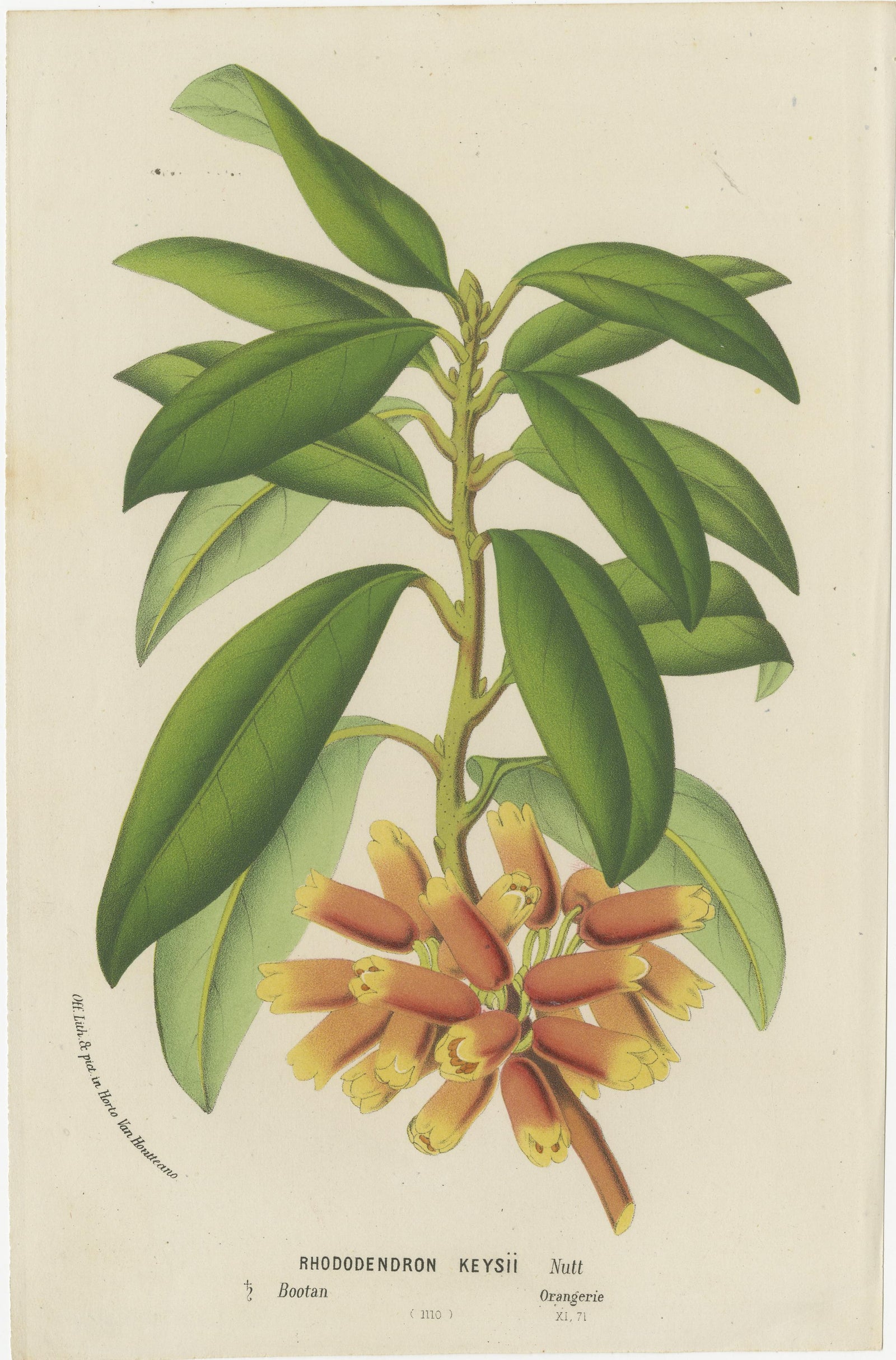
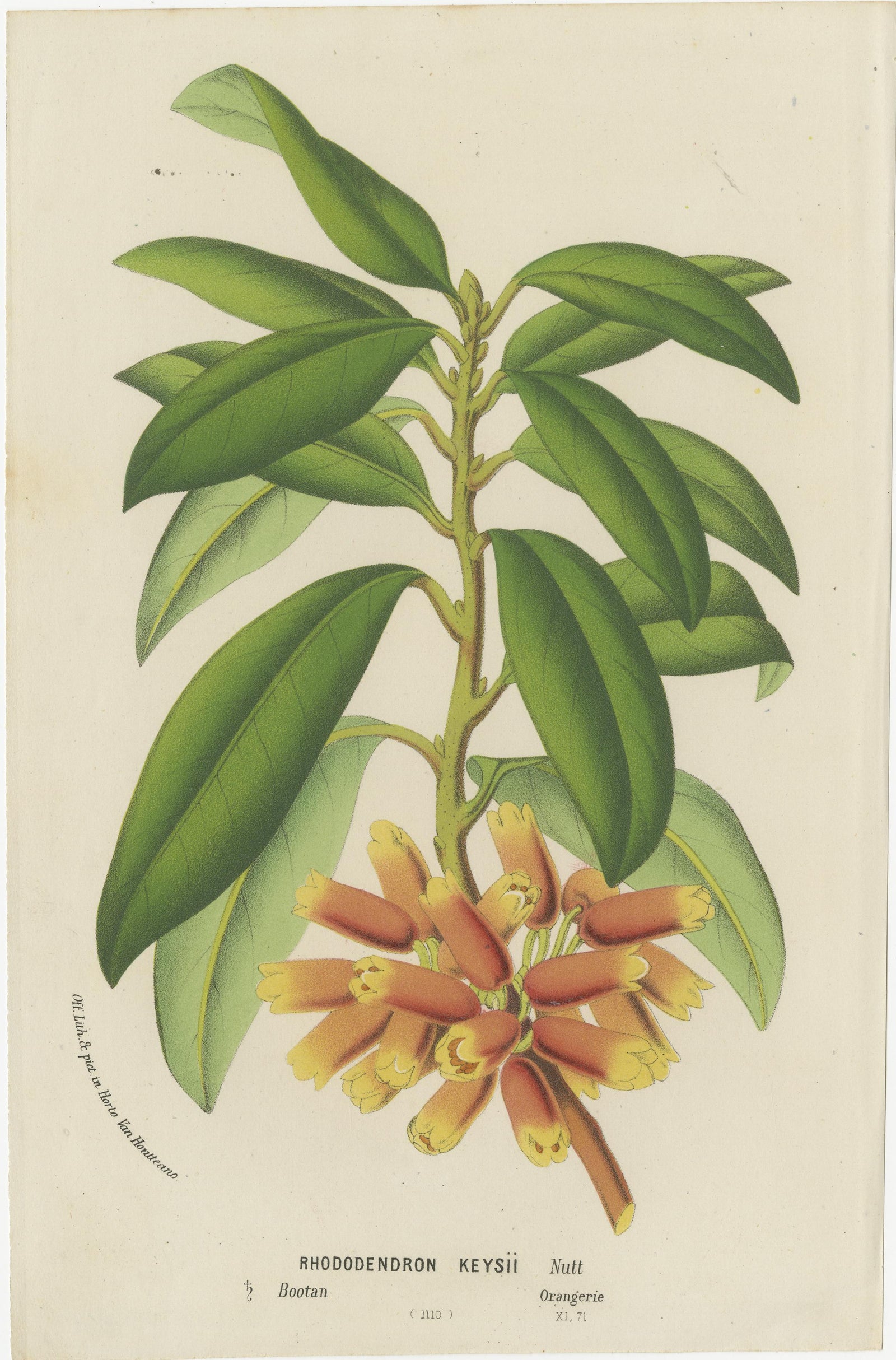
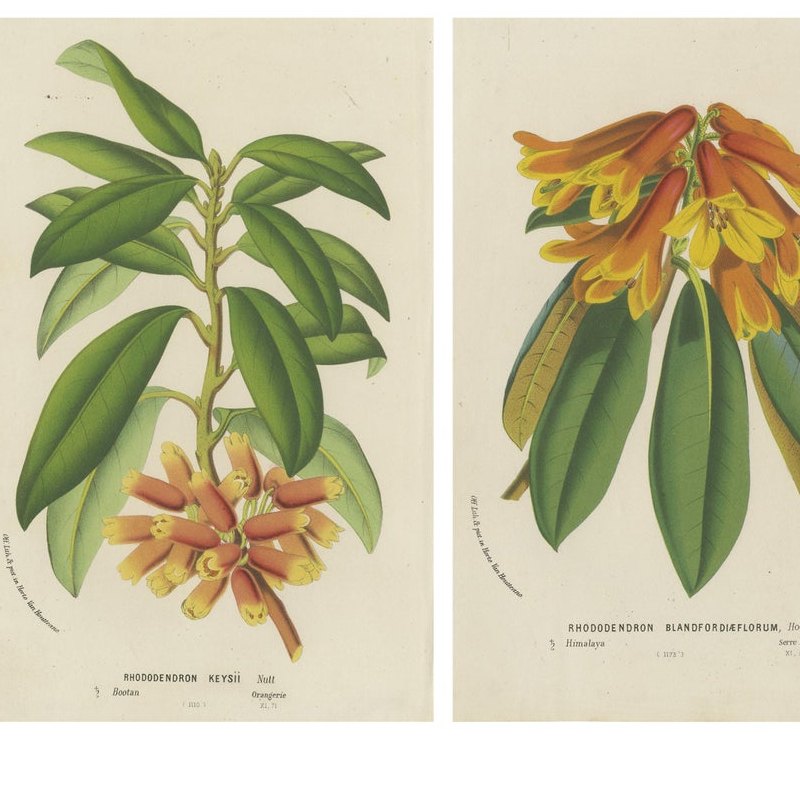
2. Rhododendron keysii
, **Latin Name:** Rhododendron keysii
, **English Name:** Keys' Rhododendron
, **Description and Interest:** Known for its beautiful clusters of bell-shaped flowers that range in color from yellow to orange, this Rhododendron is valued for its aesthetic appeal and its ability to thrive in a variety of climates, making it a popular choice in temperate gardens.
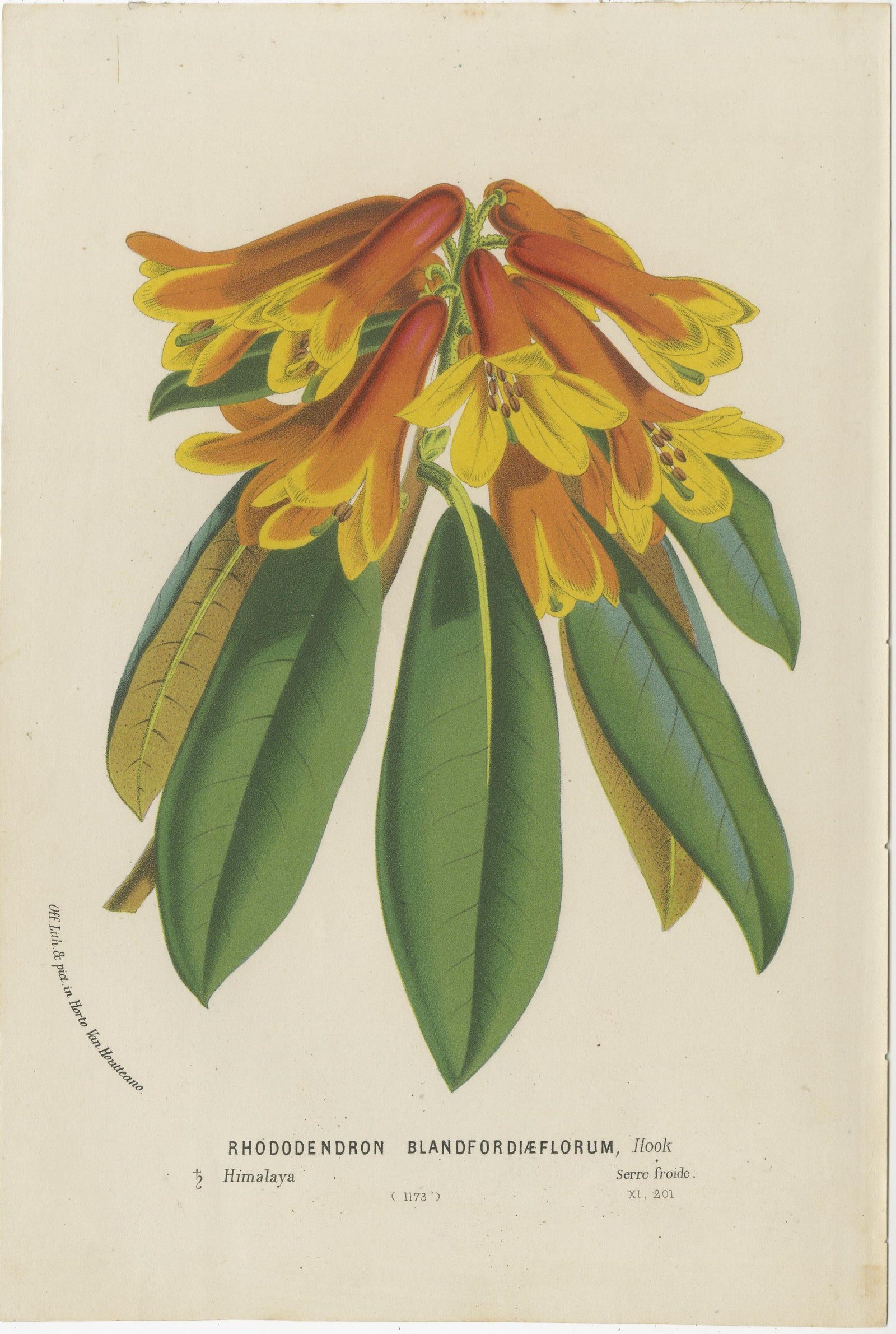
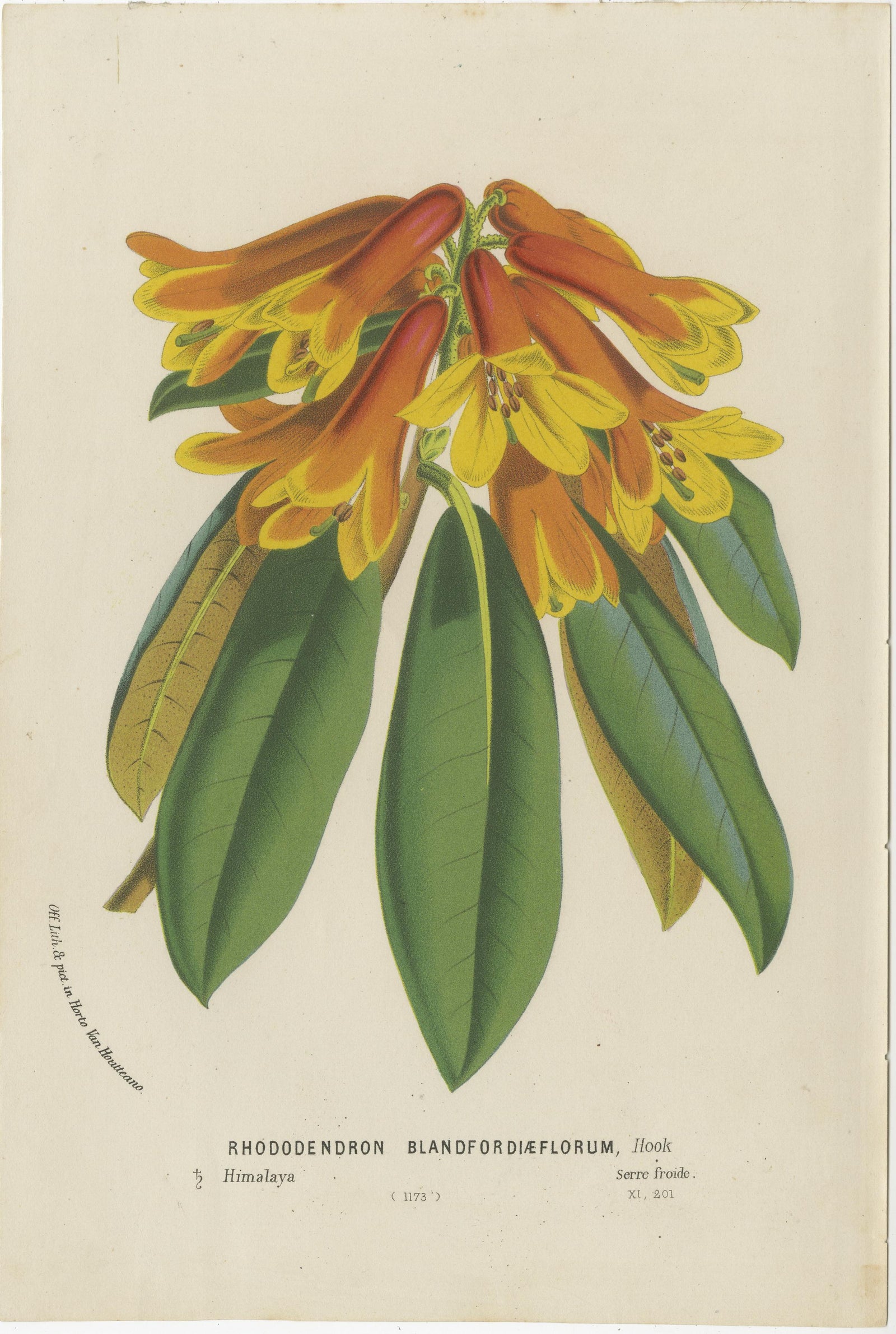
3. Rhododendron blandfordiiflorum
, **Latin Name:** Rhododendron blandfordiiflorum
, **English Name:** Blandfordia Rhododendron
, **Description and Interest:** This species is notable for its large, vibrant flowers with a distinctive color gradient from yellow to deep orange. It is a subject of interest for both horticulturists and botanists due to its unique floral structure and coloration.
4. Begonia boliviensis
, **Latin Name:** Begonia boliviensis
, **English Name:** Bolivian Begonia
, **Description and Interest:** This begonia is celebrated for its bright red, pendulous flowers, which make it a striking addition to any garden. It’s particularly valued for its resilience and its ability to bloom abundantly under various conditions.
Maker and Technique
- Artist: The artist of these prints is not specified here, but they were likely made by a skilled botanical illustrator of the 19th century, known for their meticulous attention to detail and color accuracy.
- Technique: These prints were created using chromolithography, a method developed in the 19th century for producing richly colored images. This technique involves using multiple lithographic stones, one for each color, allowing for complex and vibrant coloration that was particularly suited for botanical illustrations.
Significance
These prints are significant not only for their artistic beauty but also for their contribution to botanical science. They provide detailed visual documentation of plant species, which was essential for botanical studies and the sharing of knowledge about plant diversity across the world. They reflect the enthusiasm for natural sciences of the era and the desire to understand and categorize the natural world through scientific and artistic exploration.
Explore