Original Botanical Prints · Fruit & vegetables
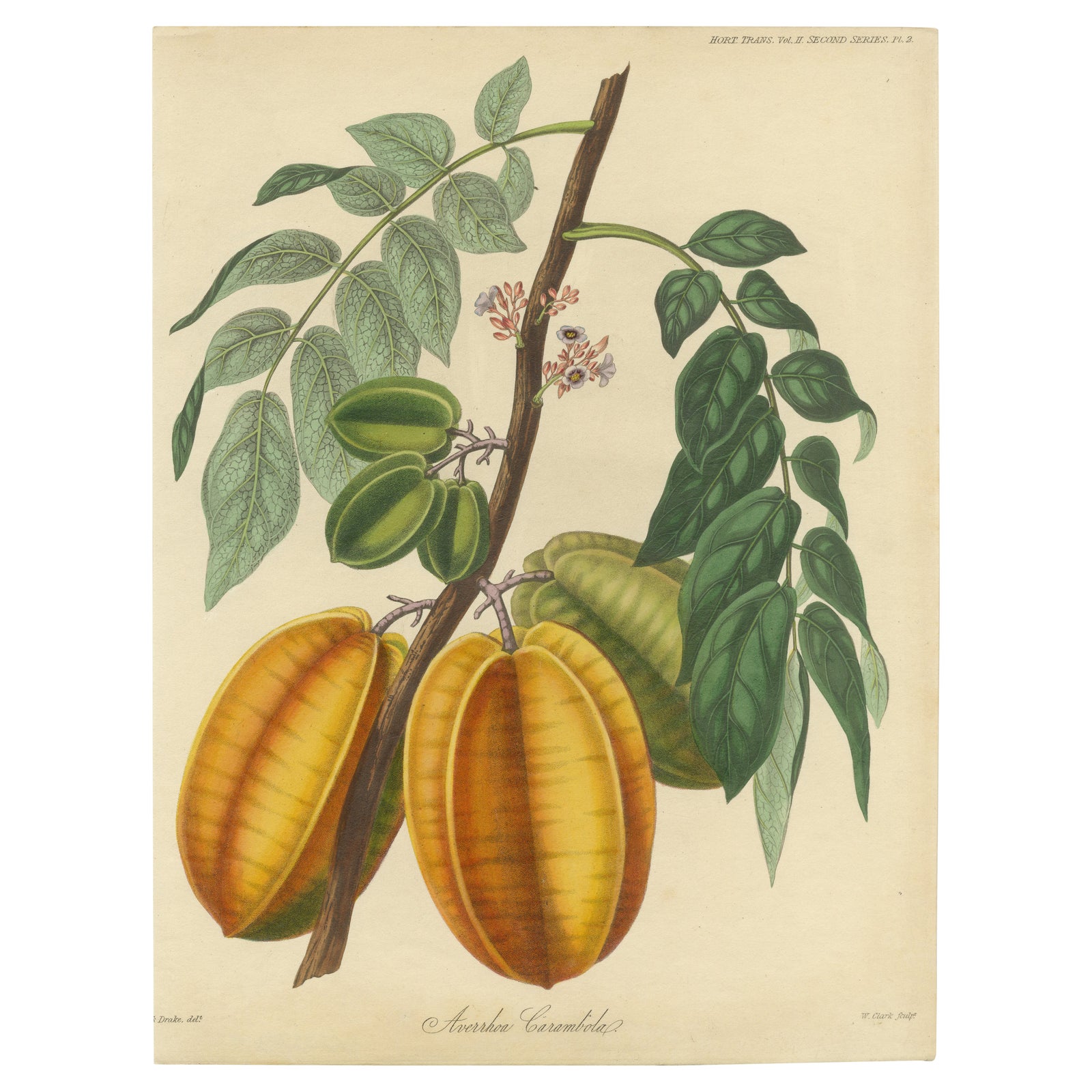
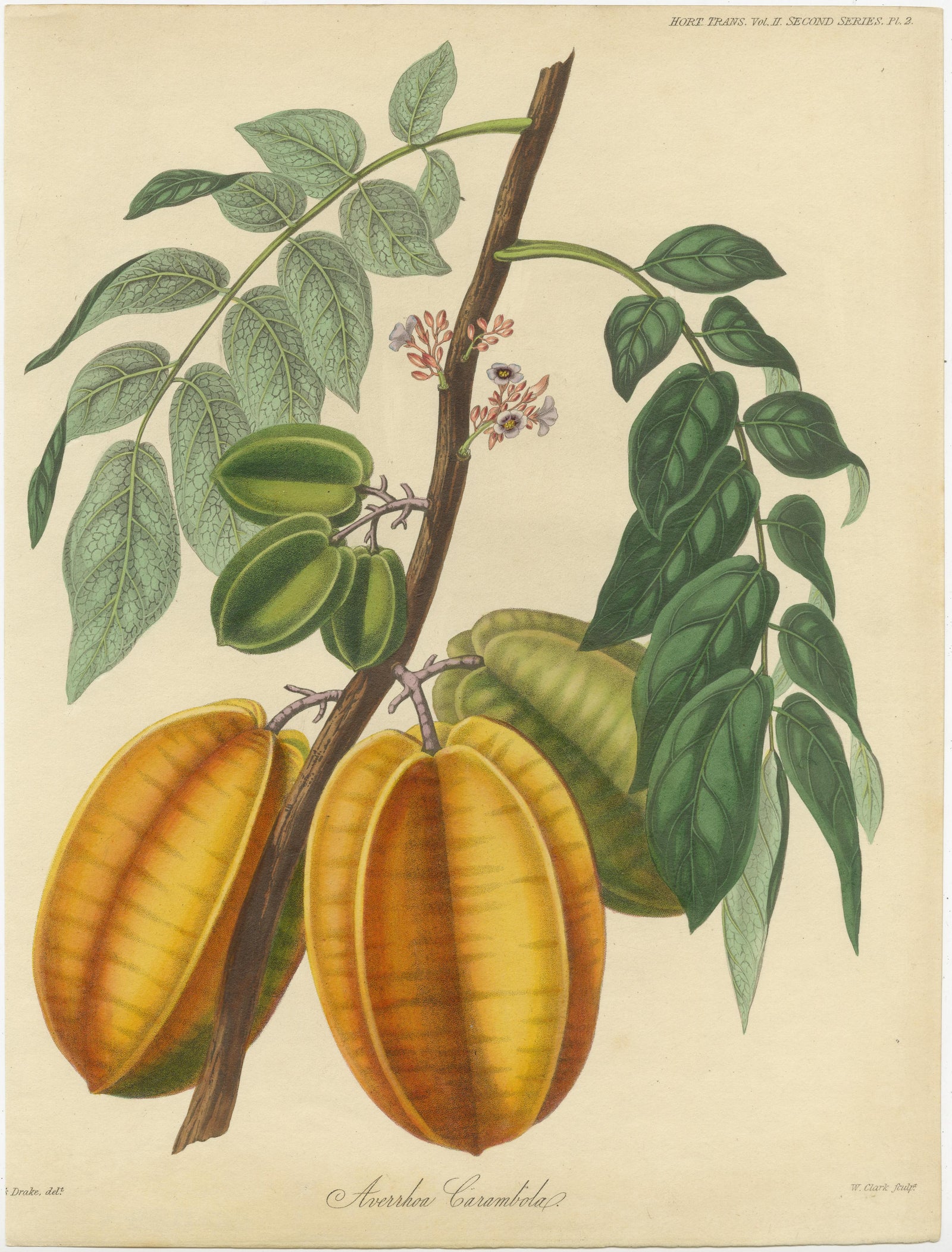
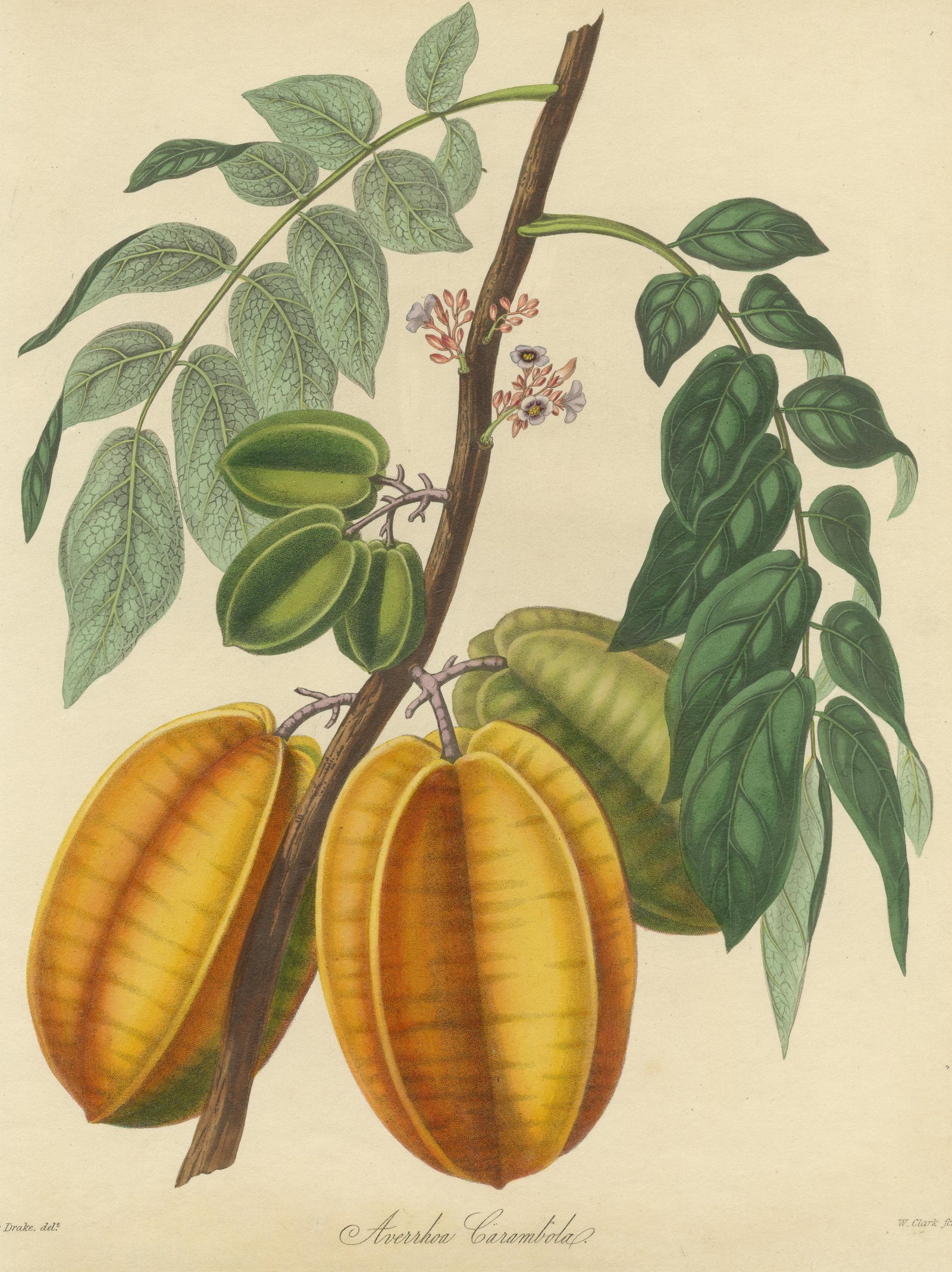
Original Antique Print of a Fruit named the Averrhoa Carambola
No. f_32318532Date not stated22 × 29 cm
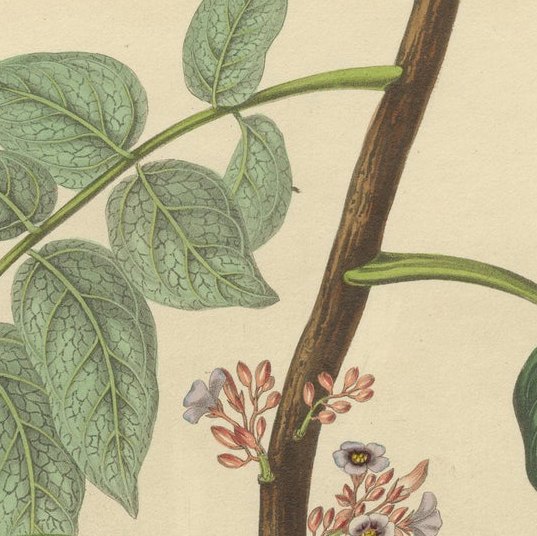
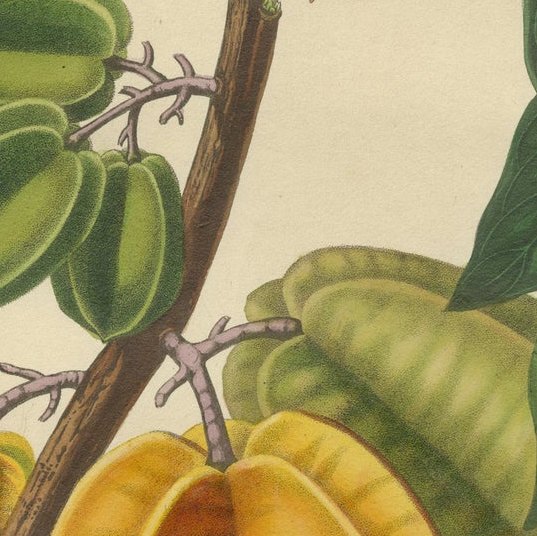
Close-ups
Framed and on the wall
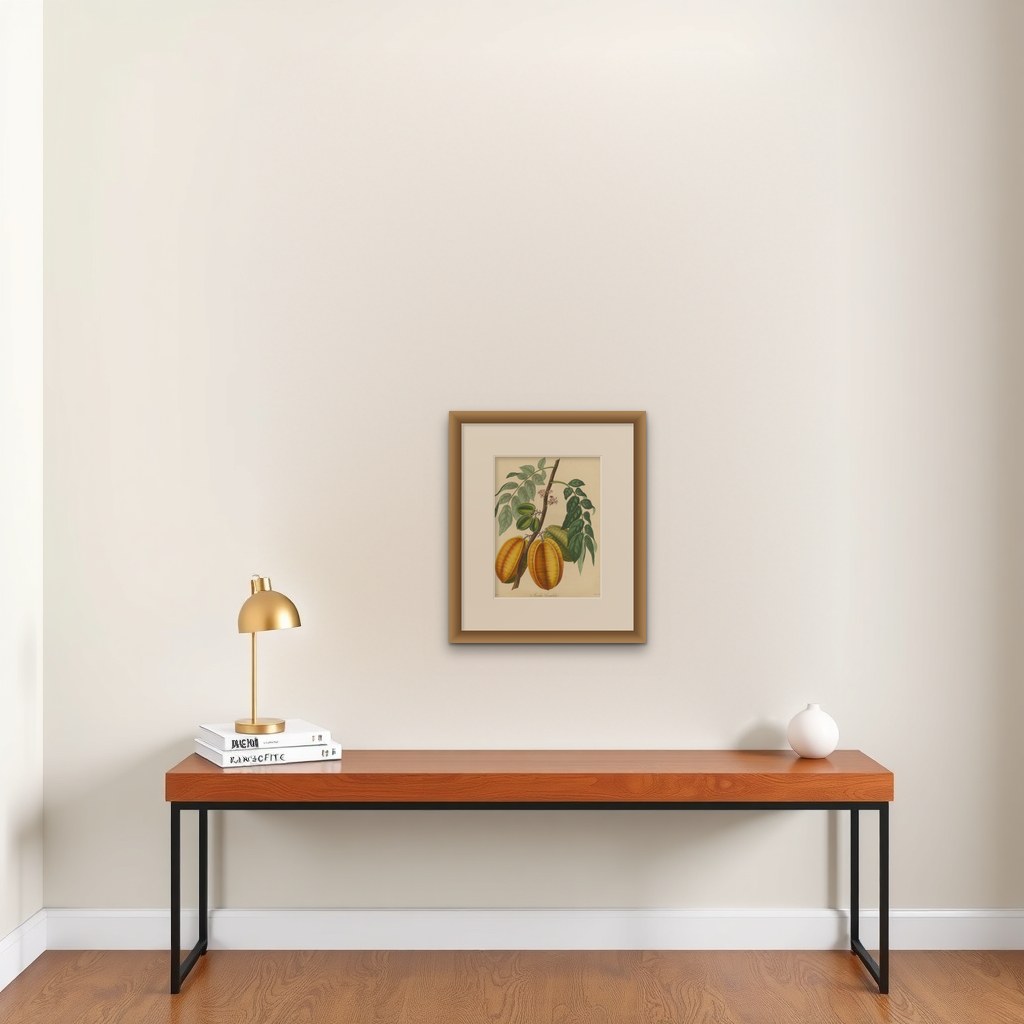

Frame and rooms are illustrations of how the print could look, drawn to its real size; it is sold unframed unless the description says otherwise.
Fruit & vegetables
Original Antique Print of a Fruit named the Averrhoa Carambola
$270
€240 · £205
Original print, not a reproduction
Ships worldwide from the Netherlands, flat, insured and tracked. 14-day returns. To buy, use Ask a question (info@originalbotanicalprints.com) and we will reserve it for you.
- Date
- Not stated
- Sheet size
- 11.4 × 8.7 in (29 × 22 cm)
- Condition
- Good. Wear consistent with age and use. General age-related toning. Shows minor wear and soiling, blank verso. Please study image carefully.
- Collection
- Fruit & vegetables
- Stock no.
- f_32318532
Antique print titled 'Averrhoa Carambola'. This print originates from 'Transactions of the Horticultural Society of London' published circa 1835.
In Transactions of the Horticultural Society of London we find some of the most beautifully illustrated and vibrant botanical and fruit prints in botanical illustration. Many prominent artist of the day contributed to the work, including W. Hooker, Mrs. Withers, J. Robertson, B. Cotton, E. Smith and more.
For the first time in England, steel plates were used for the engravings, along with a variety of techniques including mezzotint and hand coloring. The prints are also enhanced with gum arabic so the fruits almost glisten.
Explore