Original Botanical Prints · Flowers
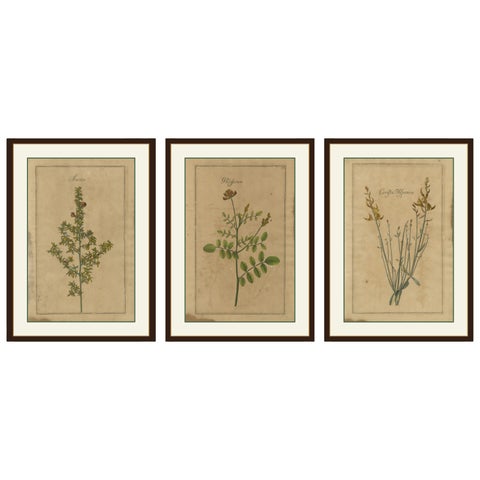
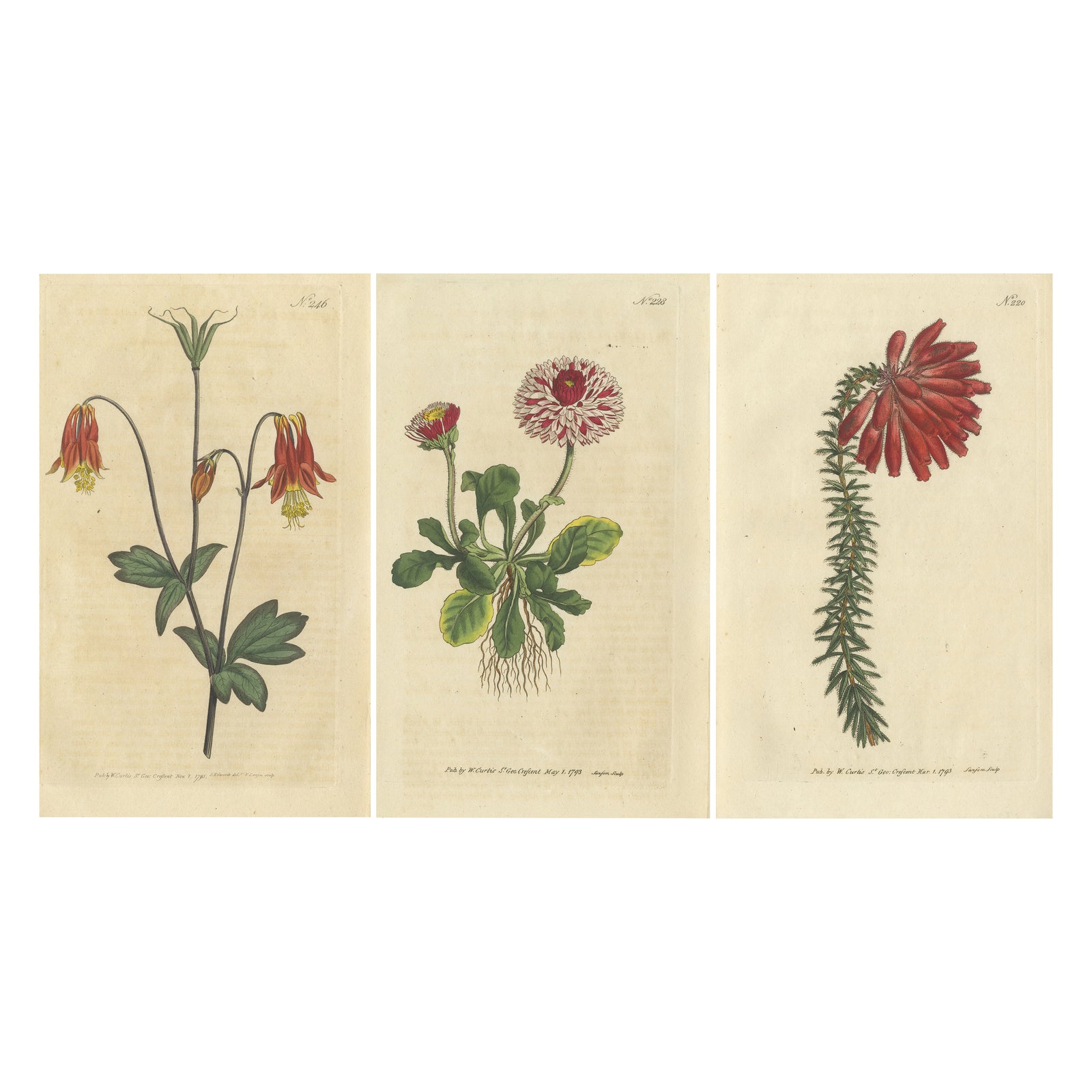
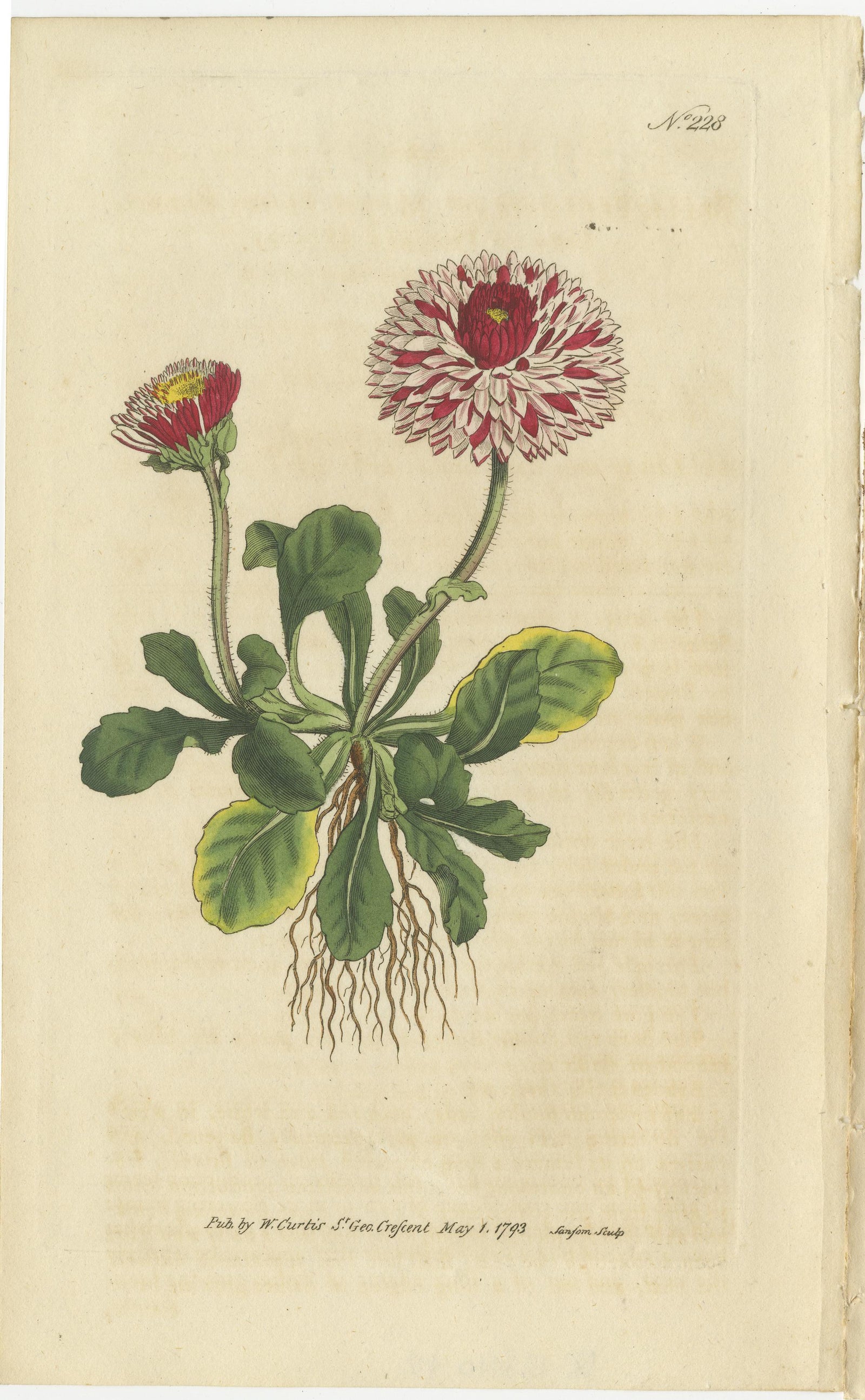
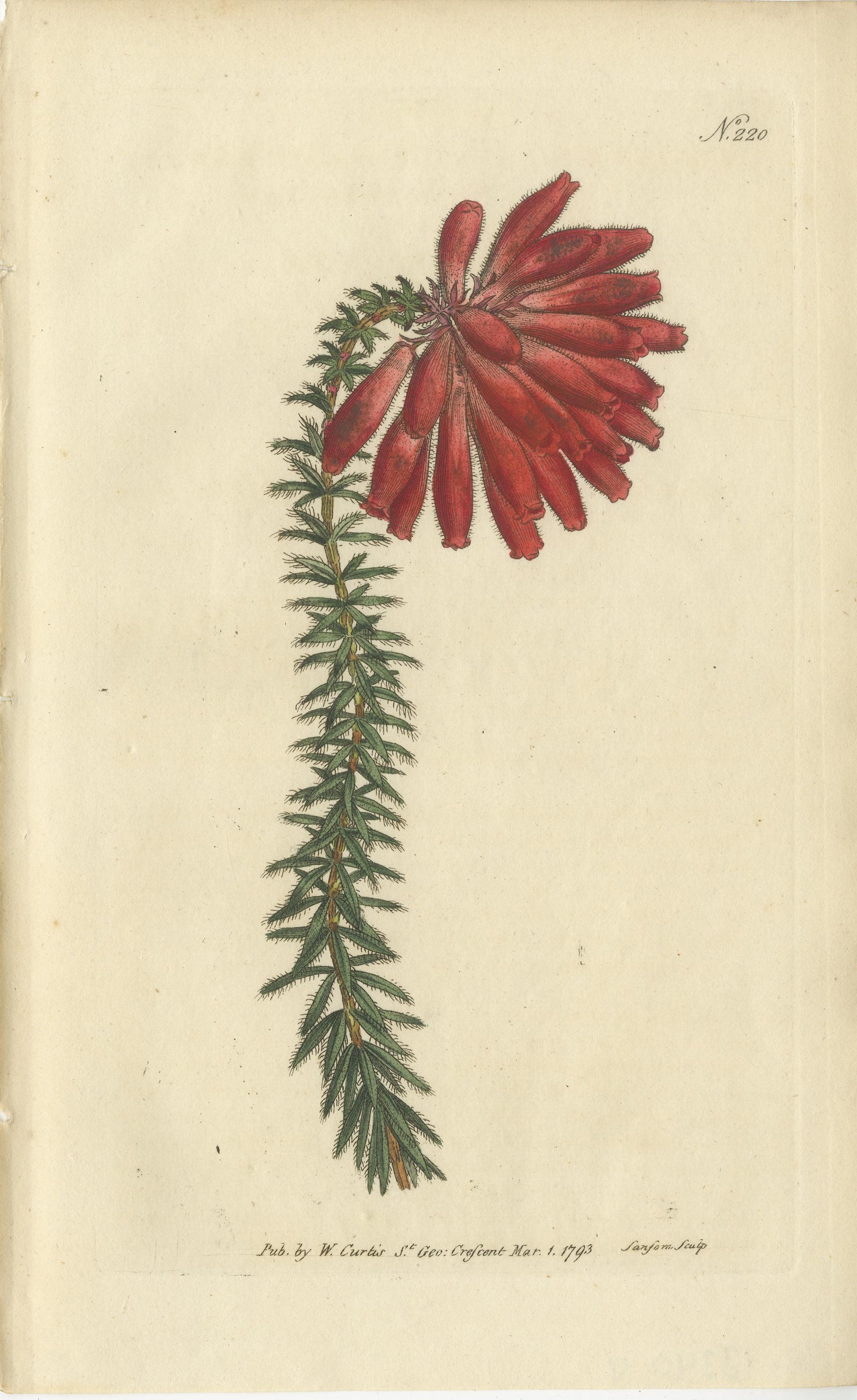
Set of 3 Antique Botany Prints, Flowered Heath, Daisy, Canadian Columbine
No. f_31165302Date not stated14 × 23 cm
Close-ups
Framed and on the wall
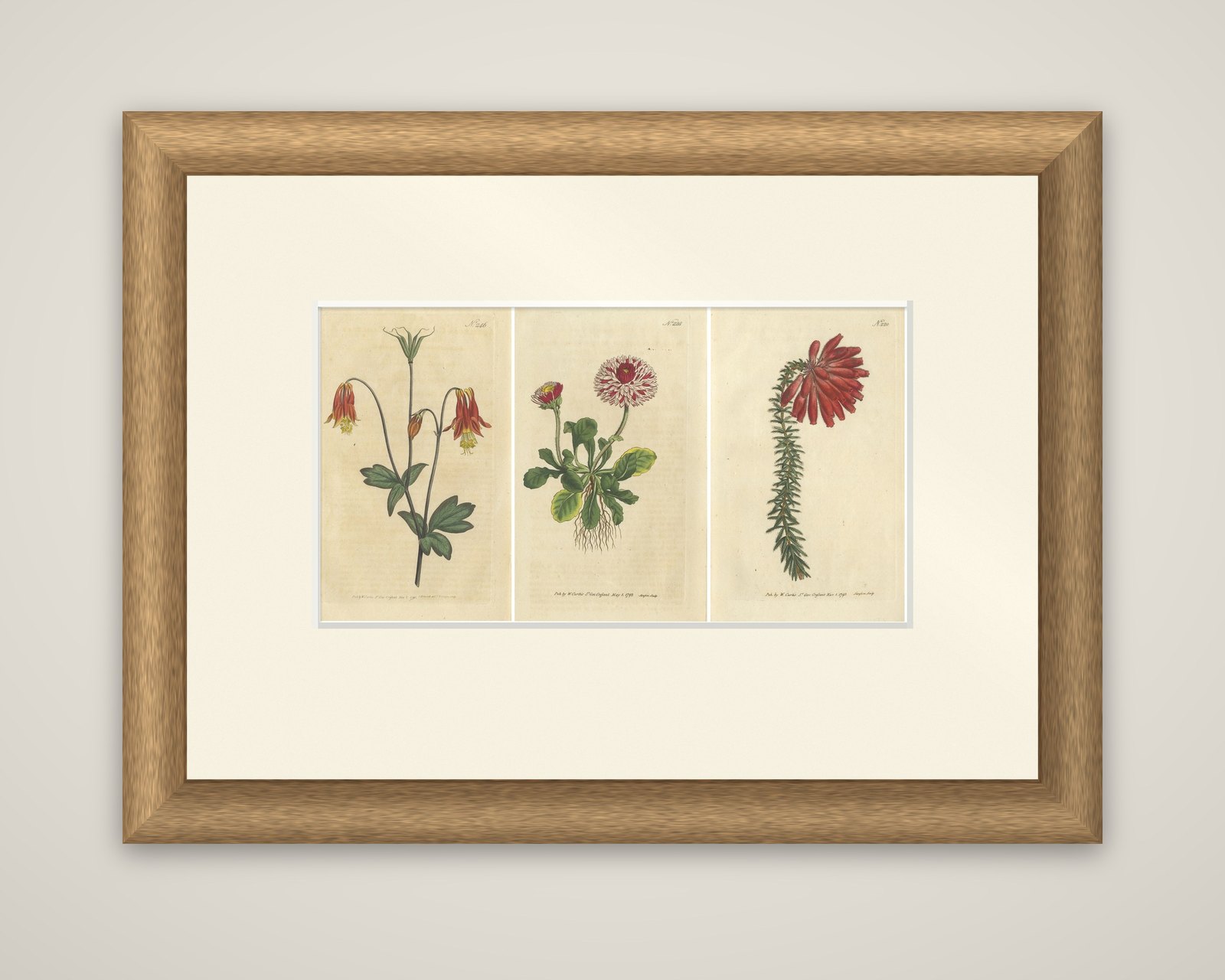
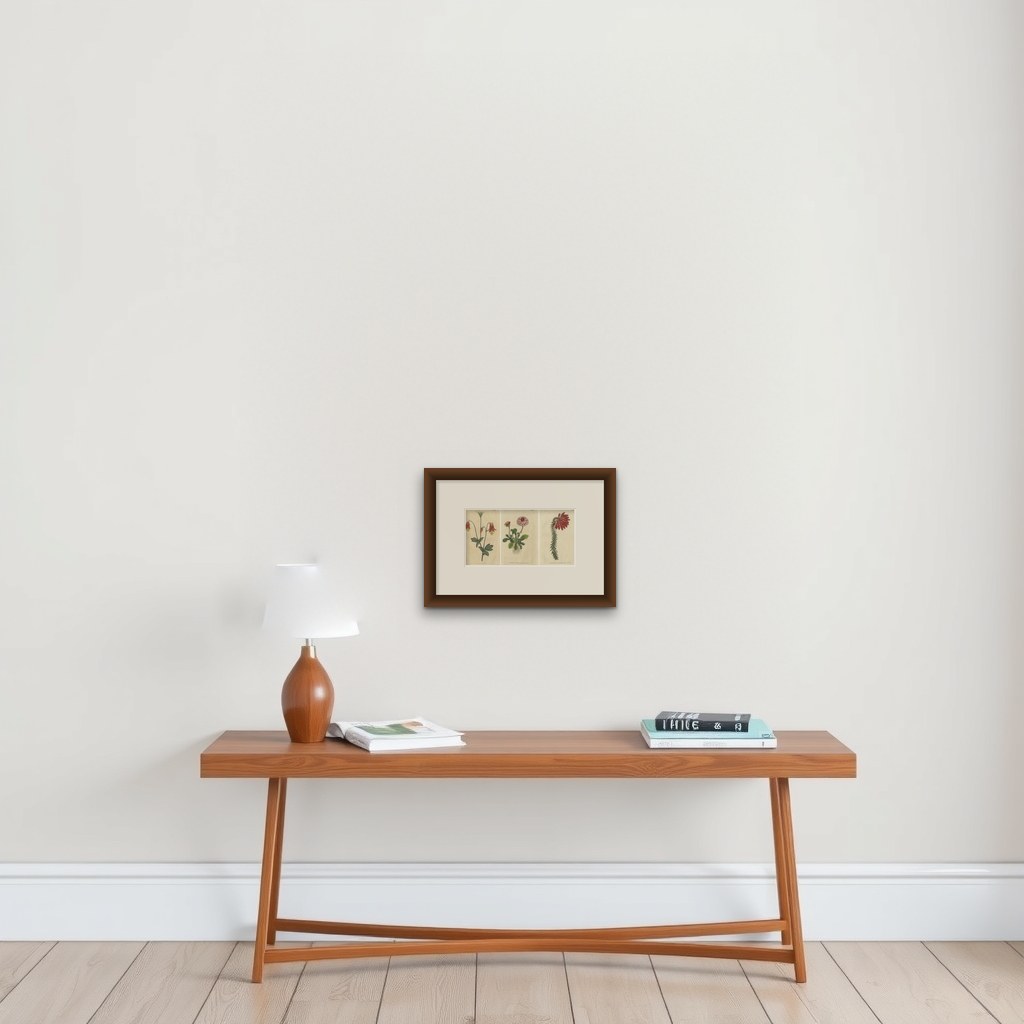

Frame and rooms are illustrations of how the print could look, drawn to its real size; it is sold unframed unless the description says otherwise.
Flowers
Set of 3 Antique Botany Prints, Flowered Heath, Daisy, Canadian Columbine
$405
€360 · £305
Original print, not a reproduction
A set of 3 sheets, sold together as one piece at this price. See all sets
Ships worldwide from the Netherlands, flat, insured and tracked. 14-day returns. To buy, use Ask a question (info@originalbotanicalprints.com) and we will reserve it for you.
- Date
- Not stated
- Sheet size
- 9.1 × 5.5 in (23 × 14 cm)
- Condition
- Good. Wear consistent with age and use. Age-related toning, some wear and soiling. Blank verso. Please study image carefully.
- Collection
- Flowers
- Stock no.
- f_31165302
Three original antique botanical prints from The Botanical Magazine; or Flower-Garden Displayed, begun by William Curtis in 1787. The plates are hand-colored copper engravings, each with its plate number at the upper right and the imprint "Pub. by W. Curtis, St. George's Crescent" below.
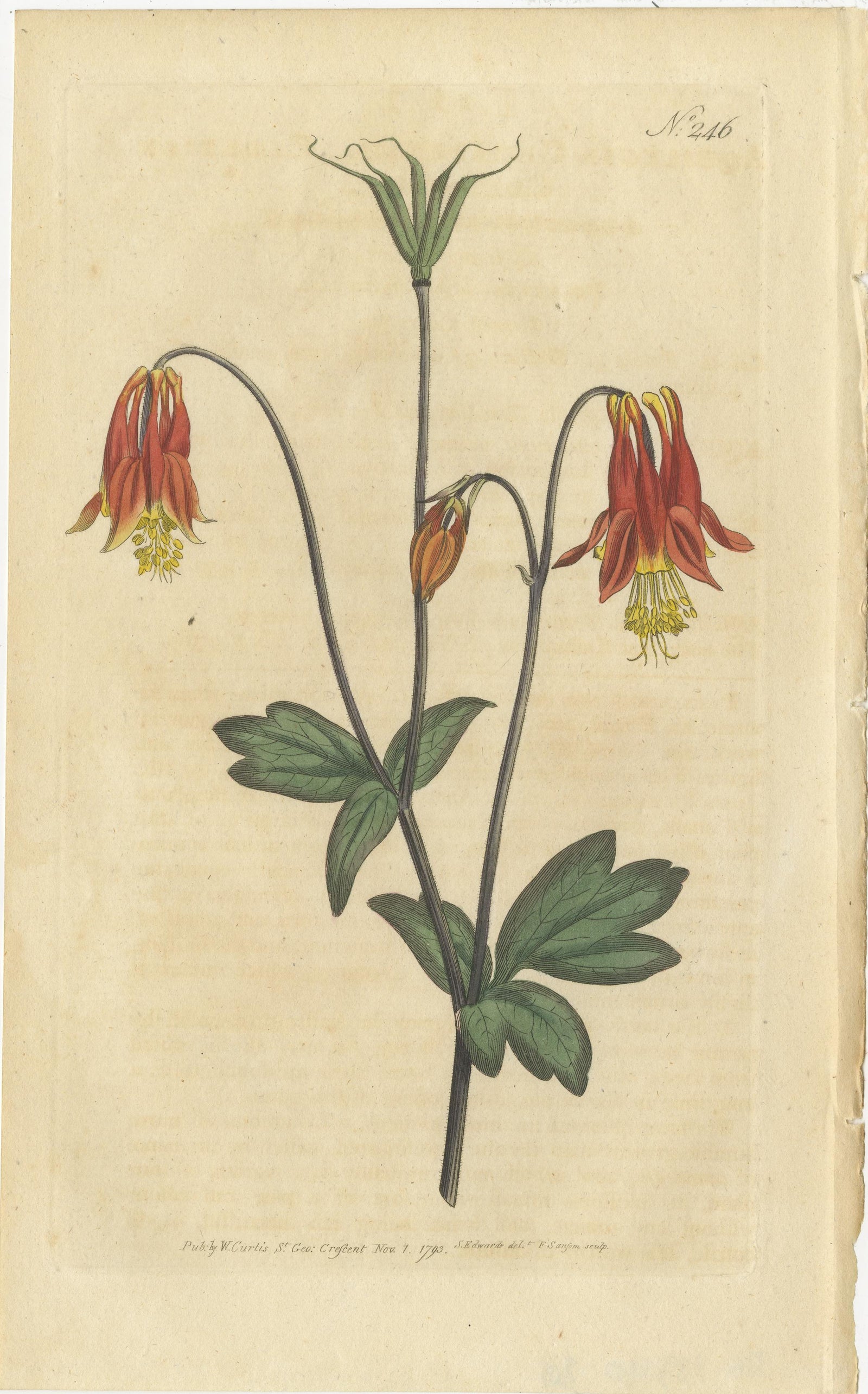
The set shows the Canadian columbine, with its red and yellow nodding flowers on slender branching stems, the Great Double Daisy, a red and white quilled flower with a rosette of green leaves and the root drawn out, and the Honeywort-flowered Heath, a long spray of narrow leaves with a hooked cluster of red tubular flowers. Each plant is drawn at natural size on an otherwise blank sheet, a form the Botanical Magazine used to give a reader a clear identification of the species.
The Botanical Magazine began in 1787 and is the longest-running botanical periodical, widely known by the later name Curtis's Botanical Magazine. Its illustrations were hand colored and accompanied by a page or two of text on each plant, describing its properties, history and growth. Many plants were first illustrated in its pages, and it is renowned for featuring the work of two centuries of botanical illustrators.