Original Botanical Prints · Gardens
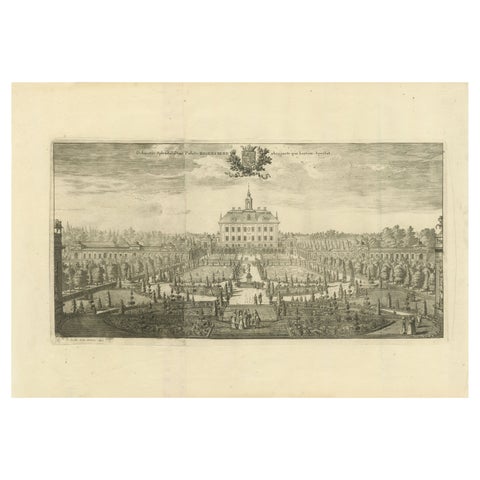
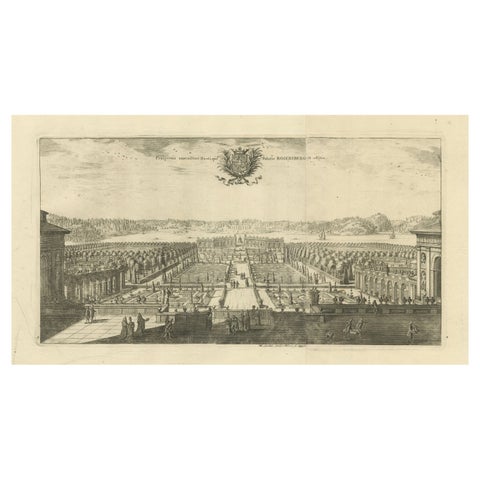
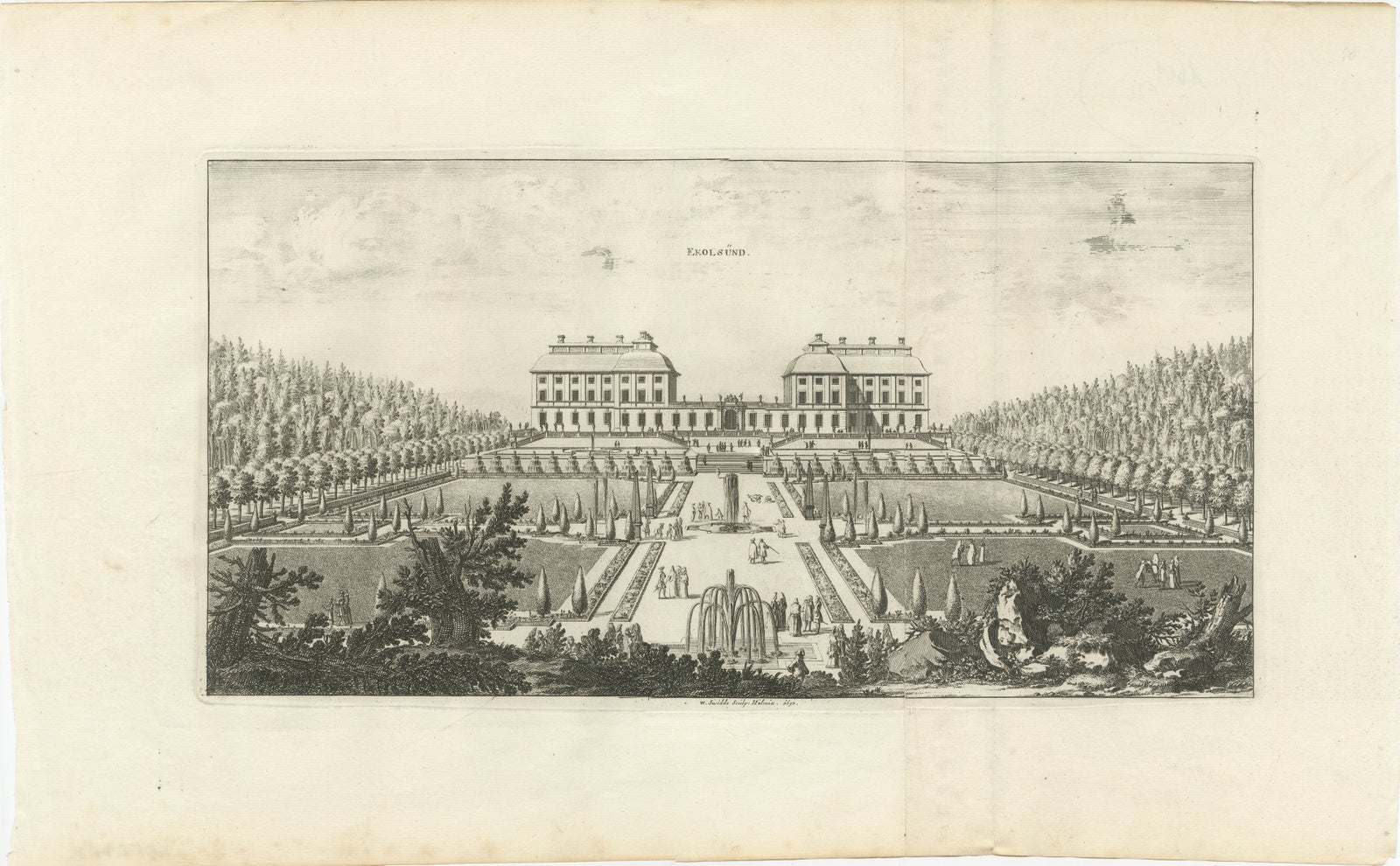
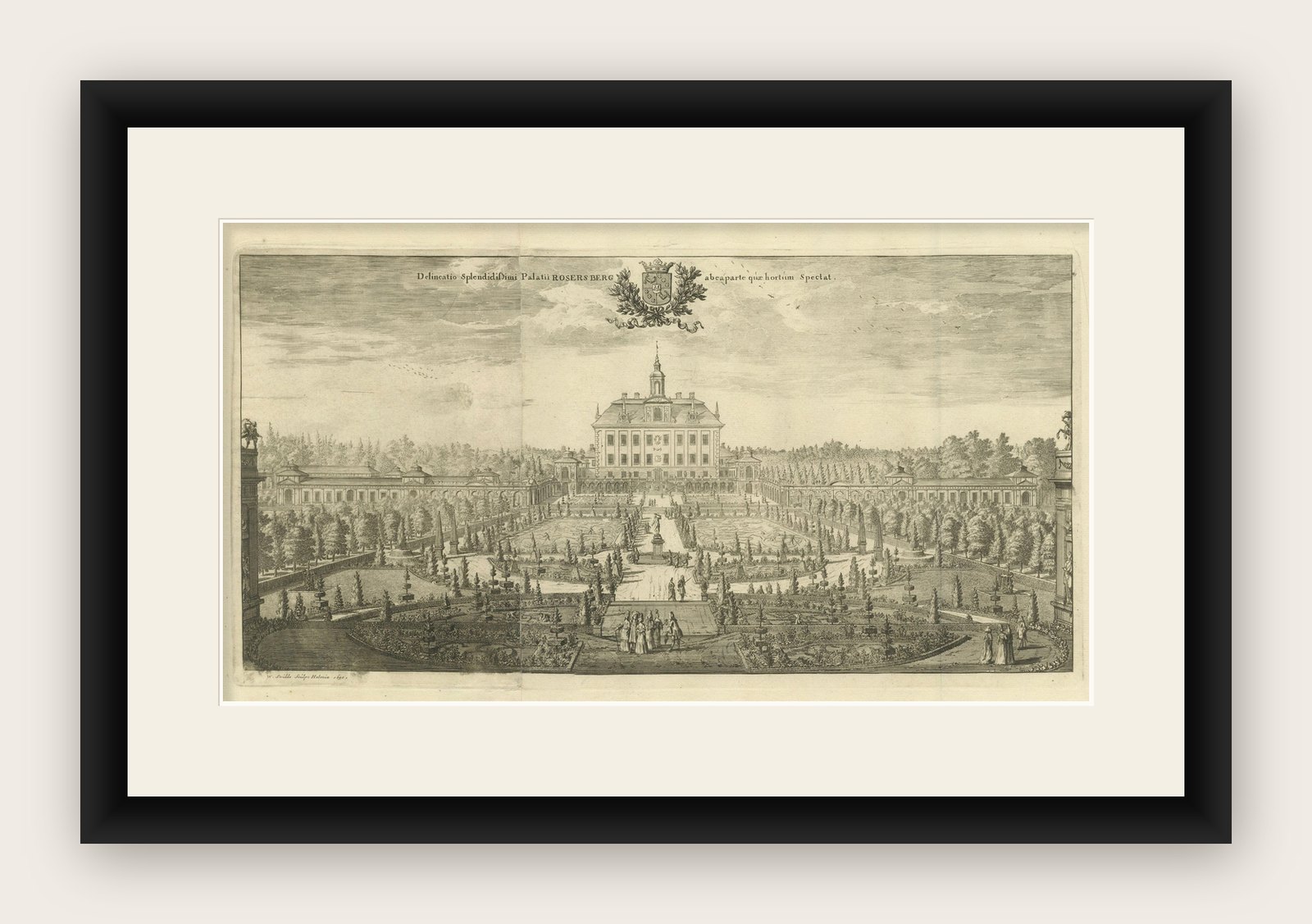
The Ekolsund Castle and Gardens in Sweden in Swidde's 1695 Engraving
No. f_38109622169554 × 33.5 cm
Close-ups
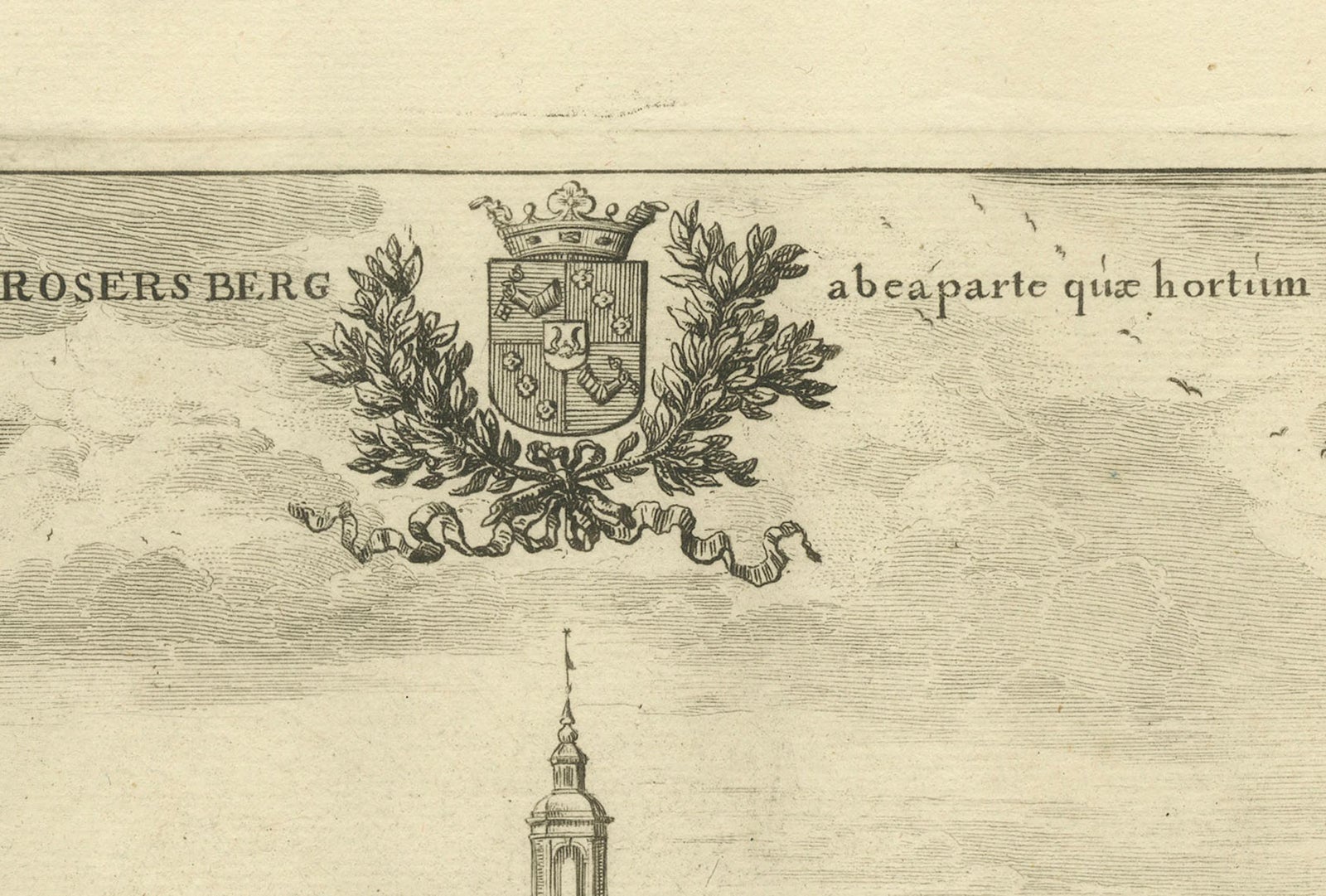
Framed and on the wall
Frame and rooms are illustrations of how the print could look, drawn to its real size; it is sold unframed unless the description says otherwise.
Gardens
The Ekolsund Castle and Gardens in Sweden in Swidde's 1695 Engraving
£325
$430 · €380
Original print, not a reproduction
Ships worldwide from the Netherlands, flat, insured and tracked. 14-day returns. To buy, use Ask a question (info@originalbotanicalprints.com) and we will reserve it for you.
- Date
- 1695
- Sheet size
- 13.2 × 21.3 in (33.5 × 54 cm)
- Condition
- Good. Good. Two plates joined with the vertical lines visible. A light brownish hue adds patina to this original engraving. Wide margins. Please study the images carefully.
- Collection
- Gardens
- Era
- Before 1750, Herbals and florilegia
- Stock no.
- f_38109622
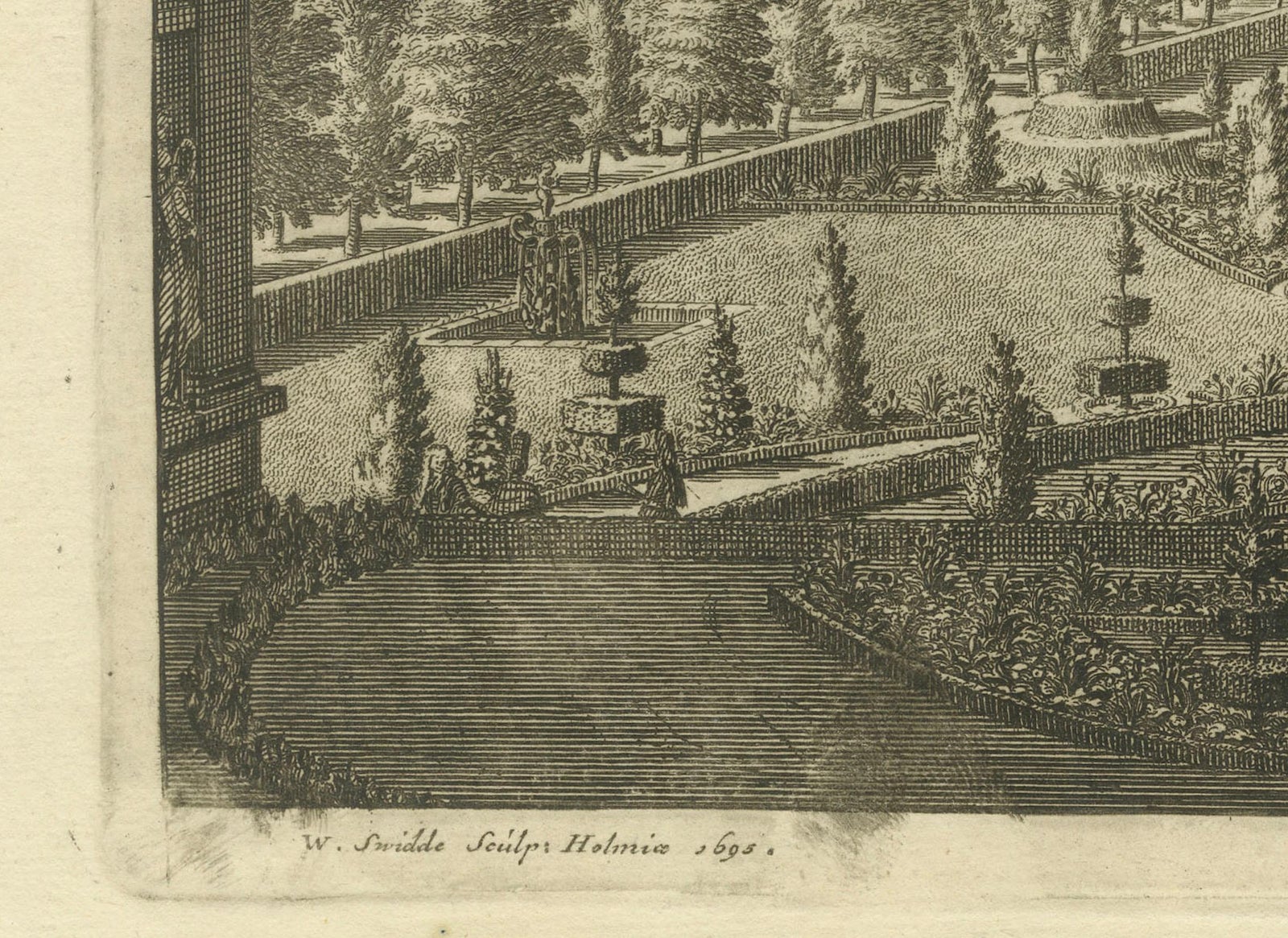
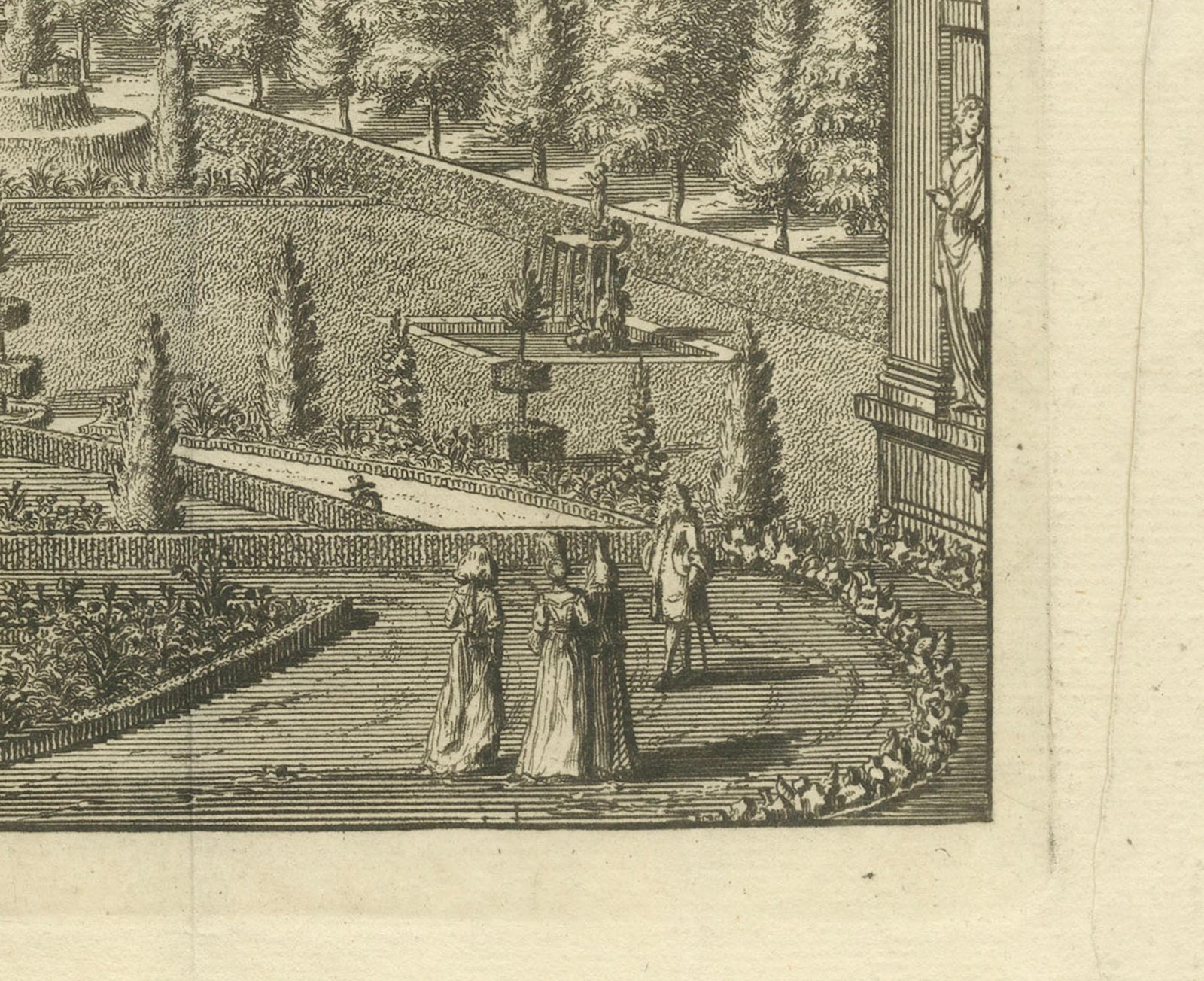
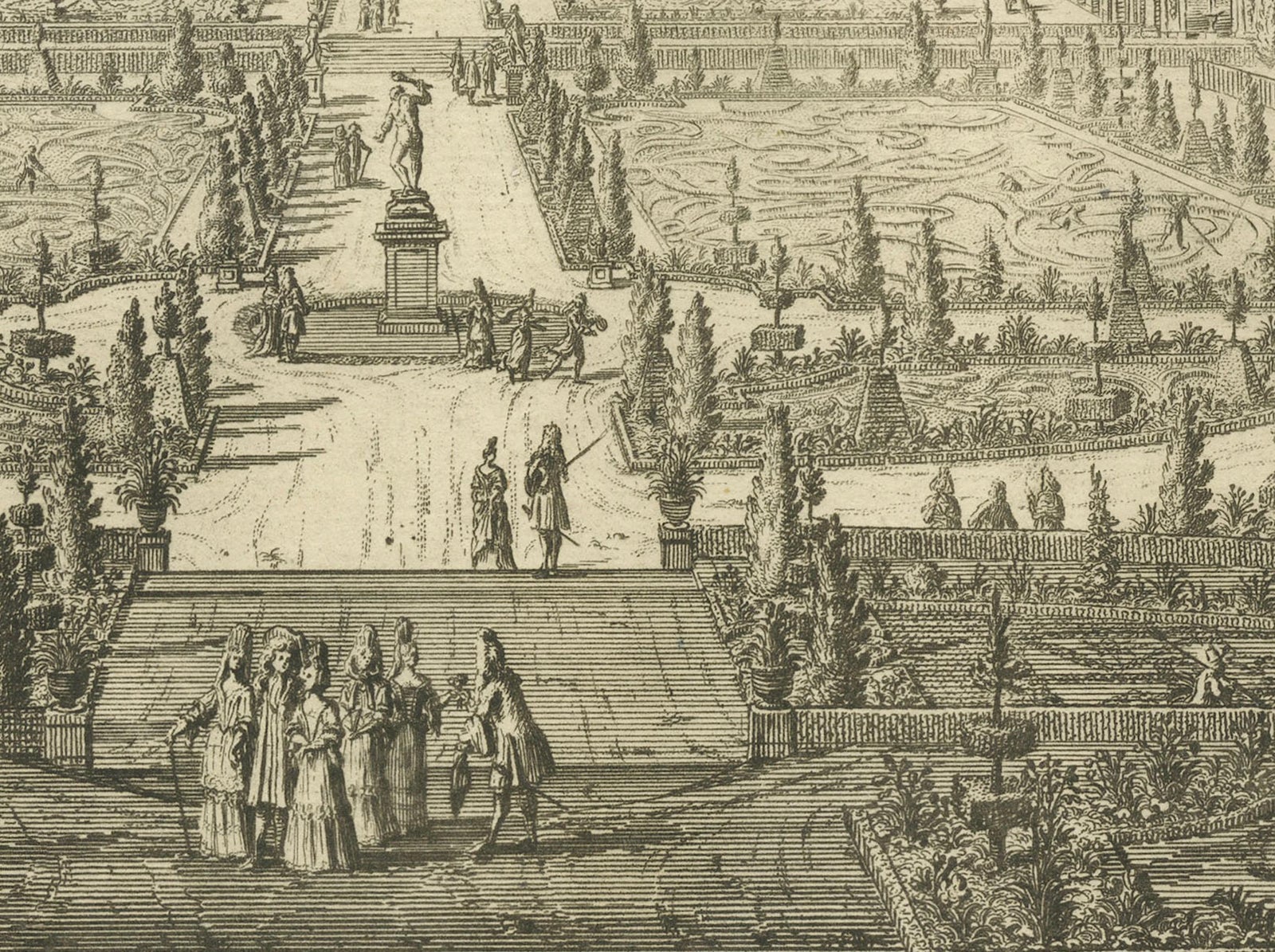
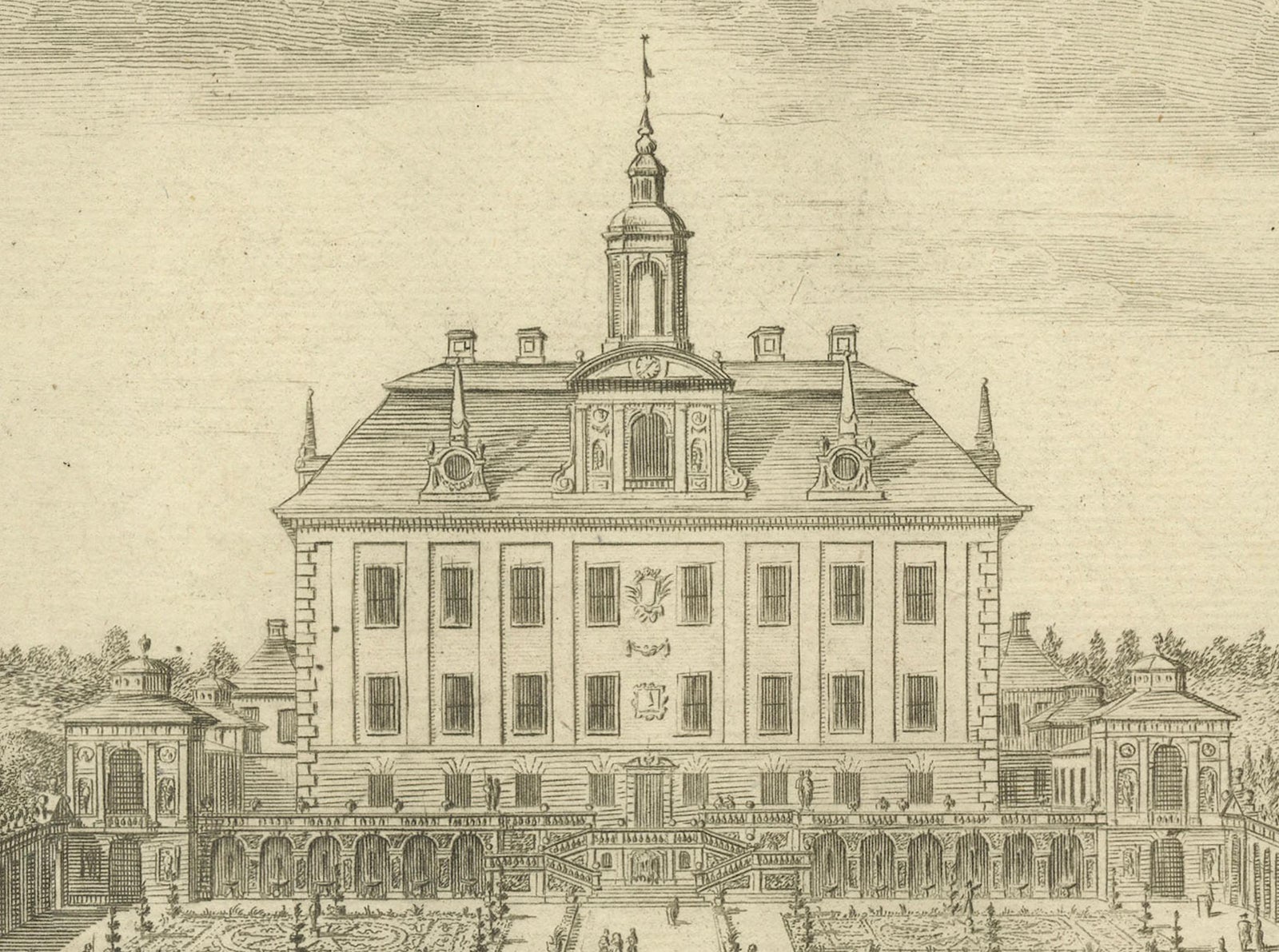
The print is aan original detailed 1695 engraving of Ekolsund Castle in Sweden, crafted by Willem Swidde. The engraving is part of the collection from "Suecia Antiqua et Hodierna," which was a grand work showcasing the estates and landmarks of Sweden through elaborate illustrations.
The scene depicted in the engraving is a classic example of the baroque garden architecture style, with geometrically arranged gardens, symmetrical layouts, and an expansive approach leading up to the castle, emphasizing the grandeur and formality of the estate. The meticulous detail in the gardens and the inclusion of figures within the grounds suggest a vibrant and cultured estate life.
Ekolsund Castle, located in Enköping Municipality in Uppsala County, Sweden, is a manor house with a rich history dating back to the 14th century. By the 15th century, it was owned by the prominent Bengt Jönsson (Oxenstierna). The estate came into royal hands in the mid-16th century when King Gustav Vasa acquired it, and it was used by the royal family for some time. Notably, Princess Sophia of Sweden resided there from 1578 to 1611.
Throughout its history, Ekolsund Castle has changed hands between the Swedish royal family and private owners several times. King Gustav III had a particular fondness for Ekolsund, and during his youth, he enjoyed a vibrant country life at the castle, which included hunting, parties, and tournaments.
Today, the castle is recognized as an 18th-century pearl nestled in lush greenery. Many people recognize Ekolsund and its surroundings from television, such as the TV4 hit "Biggest Loser." The castle now operates as a hotel, Ekolsbergs Slottshotell, offering guests a chance to experience its historic rooms and enjoy the surrounding park and gardens. The site continues to be a venue for various events, providing a glimpse into the regal past of Sweden.
More about the artist:
Willem Swidde was a Dutch draughtsman and engraver who made a significant contribution to Swedish topographical and historical illustration in the late 17th century. Born around 1660 in Amsterdam, Swidde's journey as an artist eventually led him to Sweden.
In 1688, he was brought to Stockholm by Count Erik Dahlbergh, a Swedish engineer, soldier, and field marshal, who recognized Swidde's talent and needed his skills for the illustration of various works. Swidde's initial task in Sweden was to produce illustrations for Samuel Pufendorf's history of Charles X Gustav of Sweden. He successfully created 18 plates out of the 123 for this work.
However, Swidde's most notable and enduring work was for the ambitious "Suecia Antiqua et Hodierna" (Ancient and Modern Sweden), a project that aimed to document and celebrate Sweden's grandeur through elaborate topographical engravings. In this venture, Swidde was instrumental, contributing 76 of the book's plates. His engravings were based on drawings by Dahlbergh, with whom he collaborated closely, often enhancing the original designs to better capture the magnificence of the Swedish landscapes and architecture.
Swidde's work is characterized by its meticulous detail and the way it captures the baroque splendor of the Swedish empire. Despite the grand scale of his work, Swidde's life remains sparsely documented, and he passed away in Stockholm in 1697, leaving behind a legacy through the plates that continue to be appreciated for their historical and artistic value. His contributions to "Suecia Antiqua et Hodierna" helped immortalize the Sweden of his era, reflecting both the country's natural beauty and its cultural aspirations.
Explore