Original Botanical Prints · Flowers
Vibrant Botanical Portraits: Exquisite Plant Illustrations from the 19th Century
No. f_41456092Date not stated16 × 24.5 cm
Close-ups
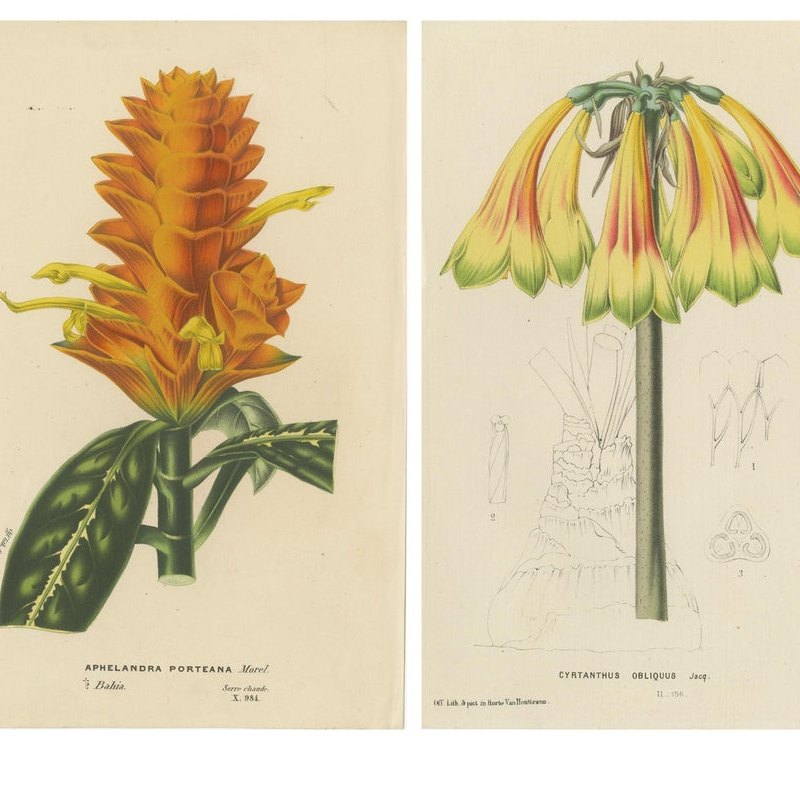
Framed and on the wall


Frame and rooms are illustrations of how the print could look, drawn to its real size; it is sold unframed unless the description says otherwise.
Flowers
Vibrant Botanical Portraits: Exquisite Plant Illustrations from the 19th Century
$430
€380 · £325
Original print, not a reproduction
Ships worldwide from the Netherlands, flat, insured and tracked. 14-day returns. To buy, use Ask a question (info@originalbotanicalprints.com) and we will reserve it for you.
- Date
- Not stated
- Sheet size
- 9.6 × 6.3 in (24.5 × 16 cm)
- Condition
- Good. Given age. General age-related toning and/or occasional minor defects from handling. Colors are vivid. Please study scan carefully.
- Collection
- Flowers
- Stock no.
- f_41456092
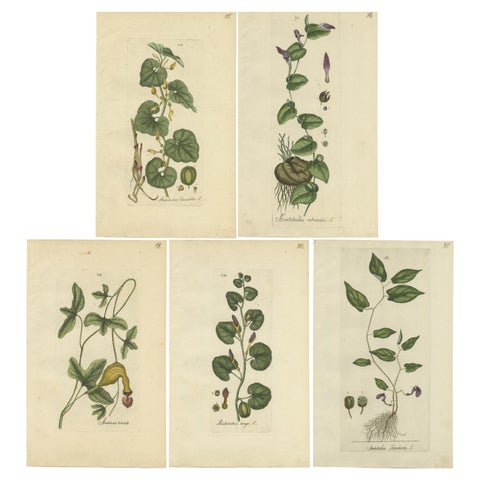
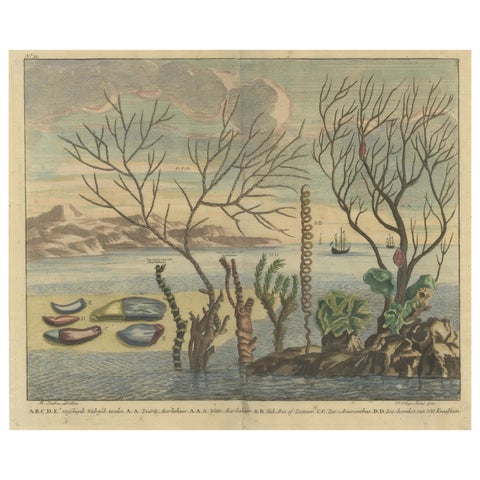
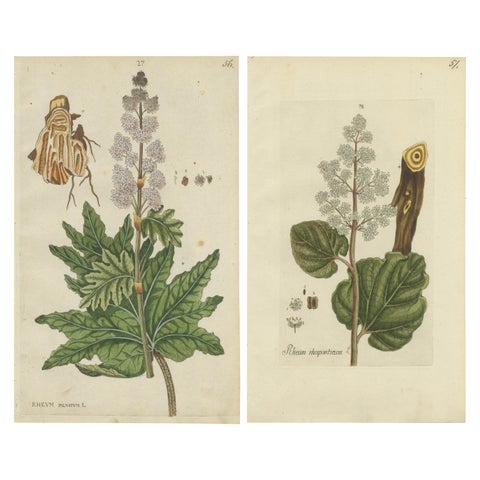
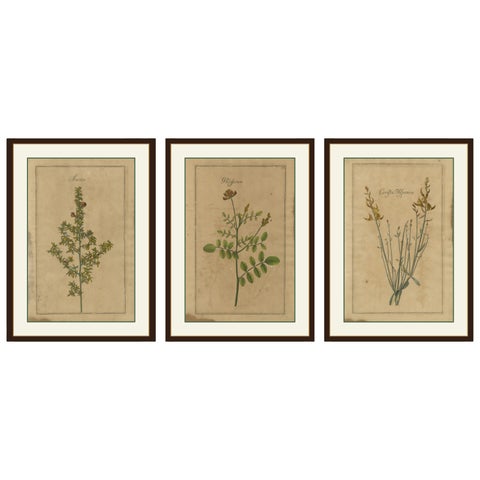
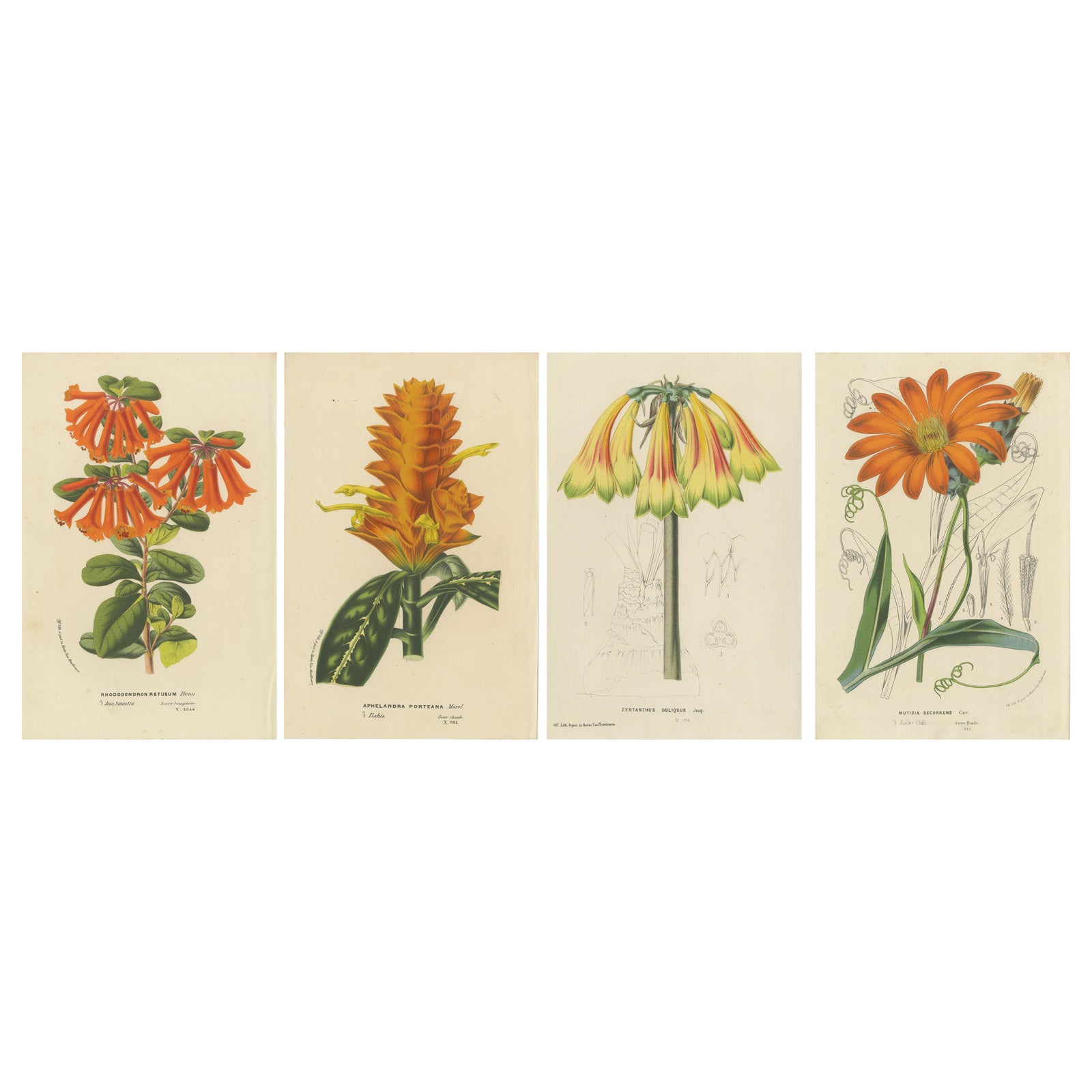
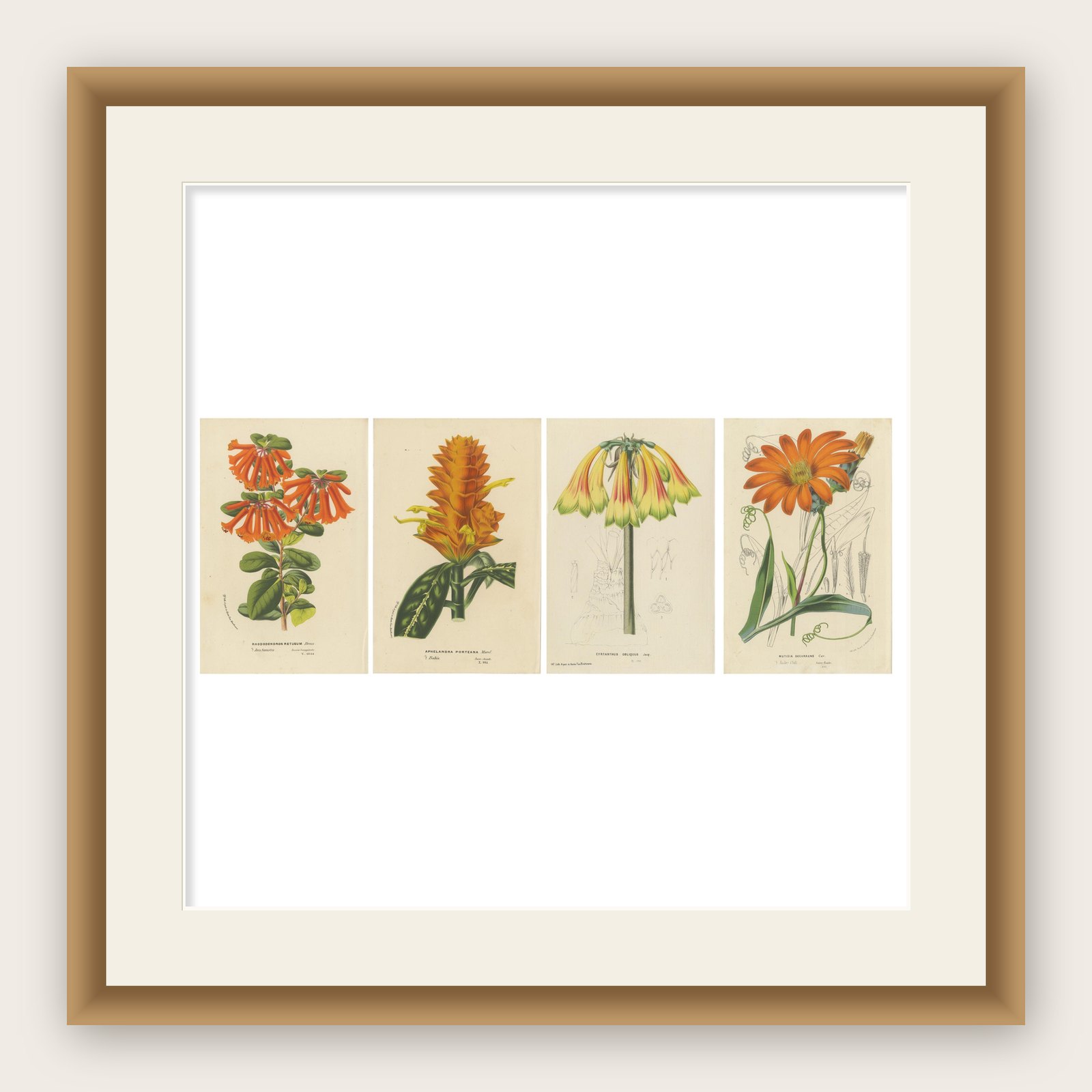
These illustrations, executed with precision and rich coloration, are fine examples of chromolithography, a technique popular in the 19th century for its ability to produce vivid, multi-colored images. Here's a detailed description of each print, along with their Latin and common English names, and insights into their unique characteristics and the artist behind them:
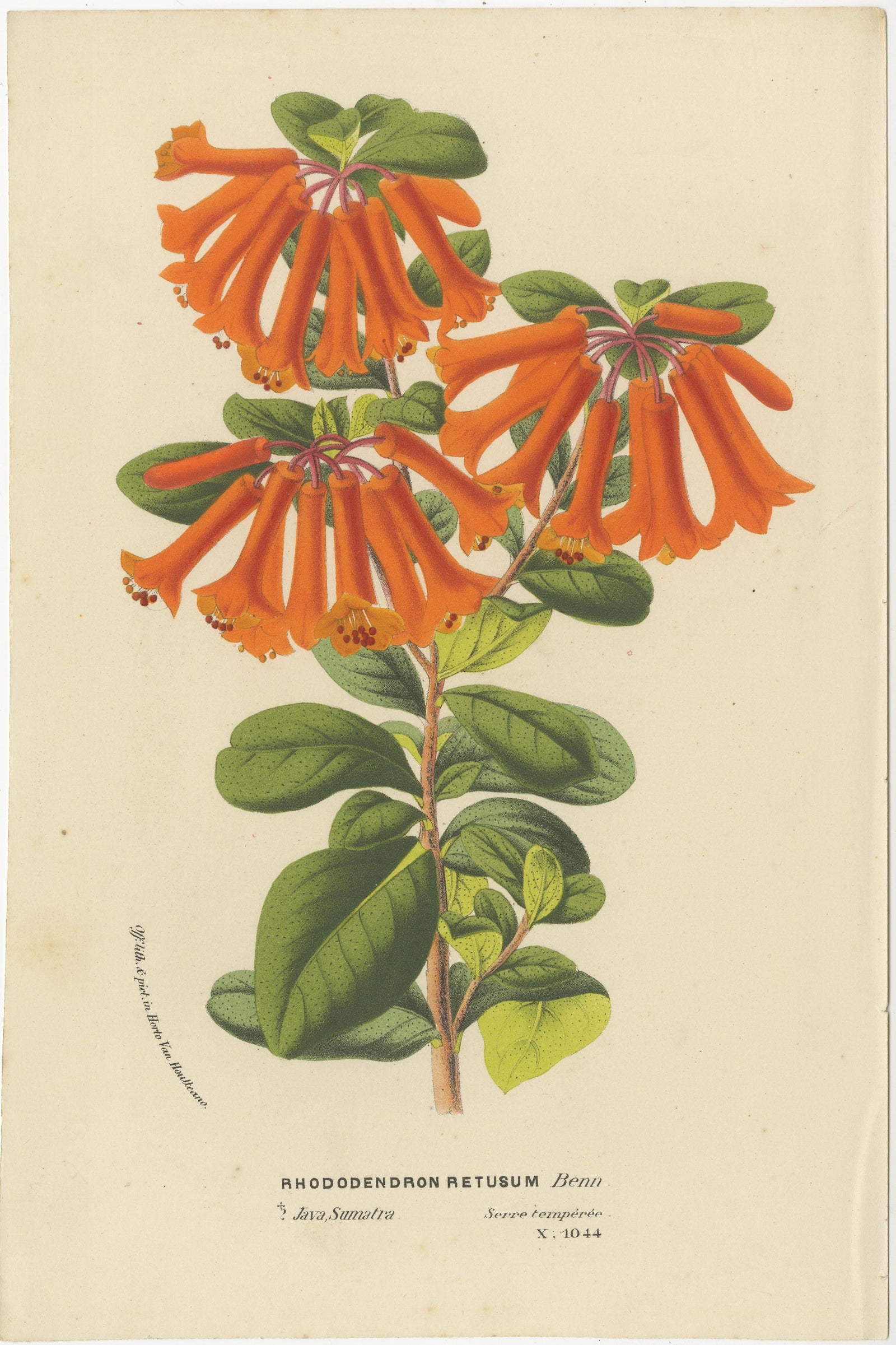
1. Rhododendron Retsuum
, **Latin Name:** Rhododendron retusum
, **English Name:** None widely recognized; it falls under the broader category of Rhododendrons.
, **Description and Interest:** This print showcases the striking beauty of Rhododendron retusum, with its lush, deep green foliage and vibrant orange flowers. Rhododendrons are known for their spectacular flowers and significant variety, making them a cornerstone in ornamental horticulture.
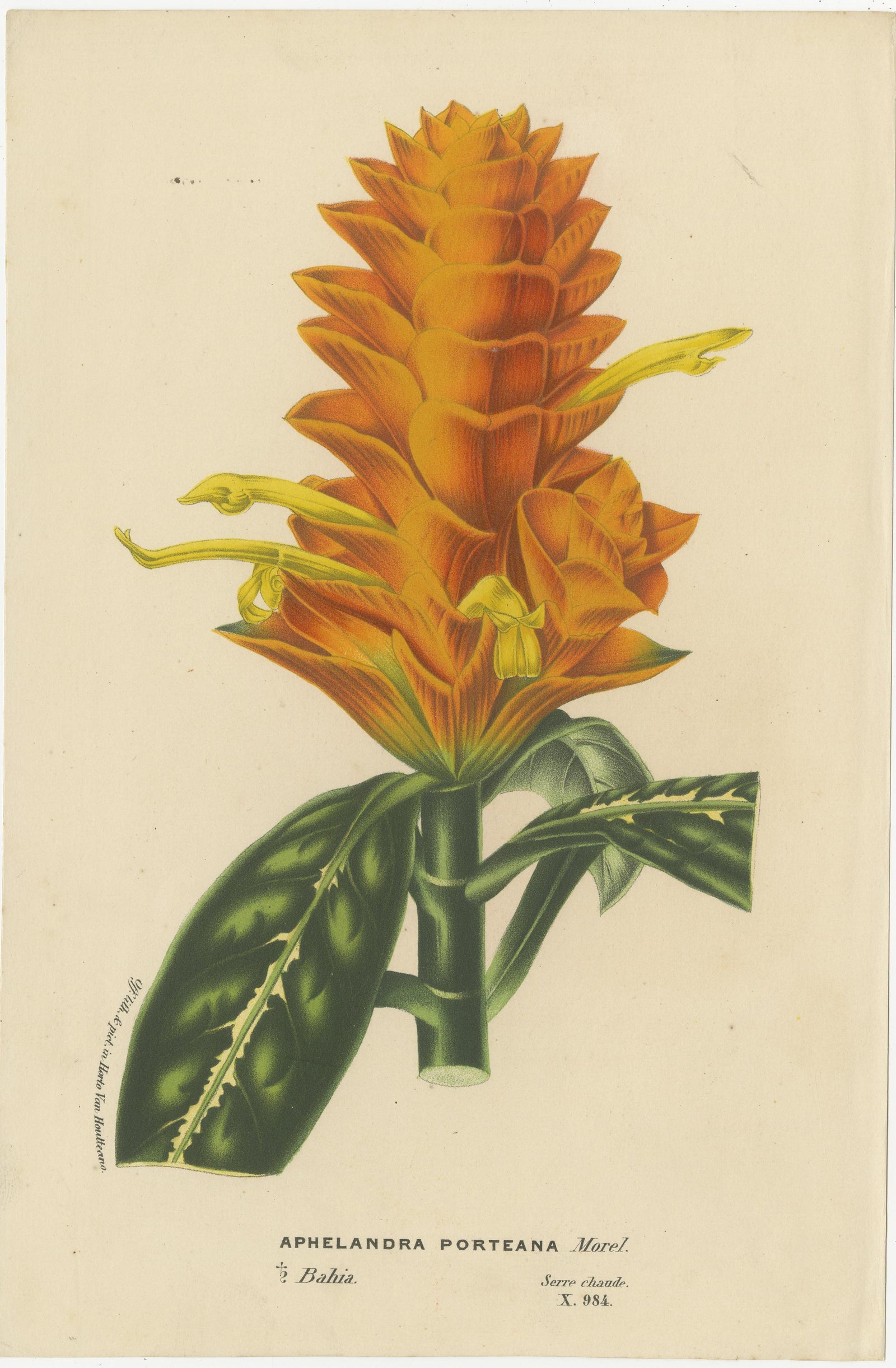
2. Aphelandra Porteana
, **Latin Name:** Aphelandra porteana
, **English Name:** Portea Flower
, **Description and Interest:** The Aphelandra porteana is distinguished by its bold, orange-bracted spikes and dark green leaves with white veins. This plant is noted for its distinctive bracts and is a popular choice for tropical garden settings.
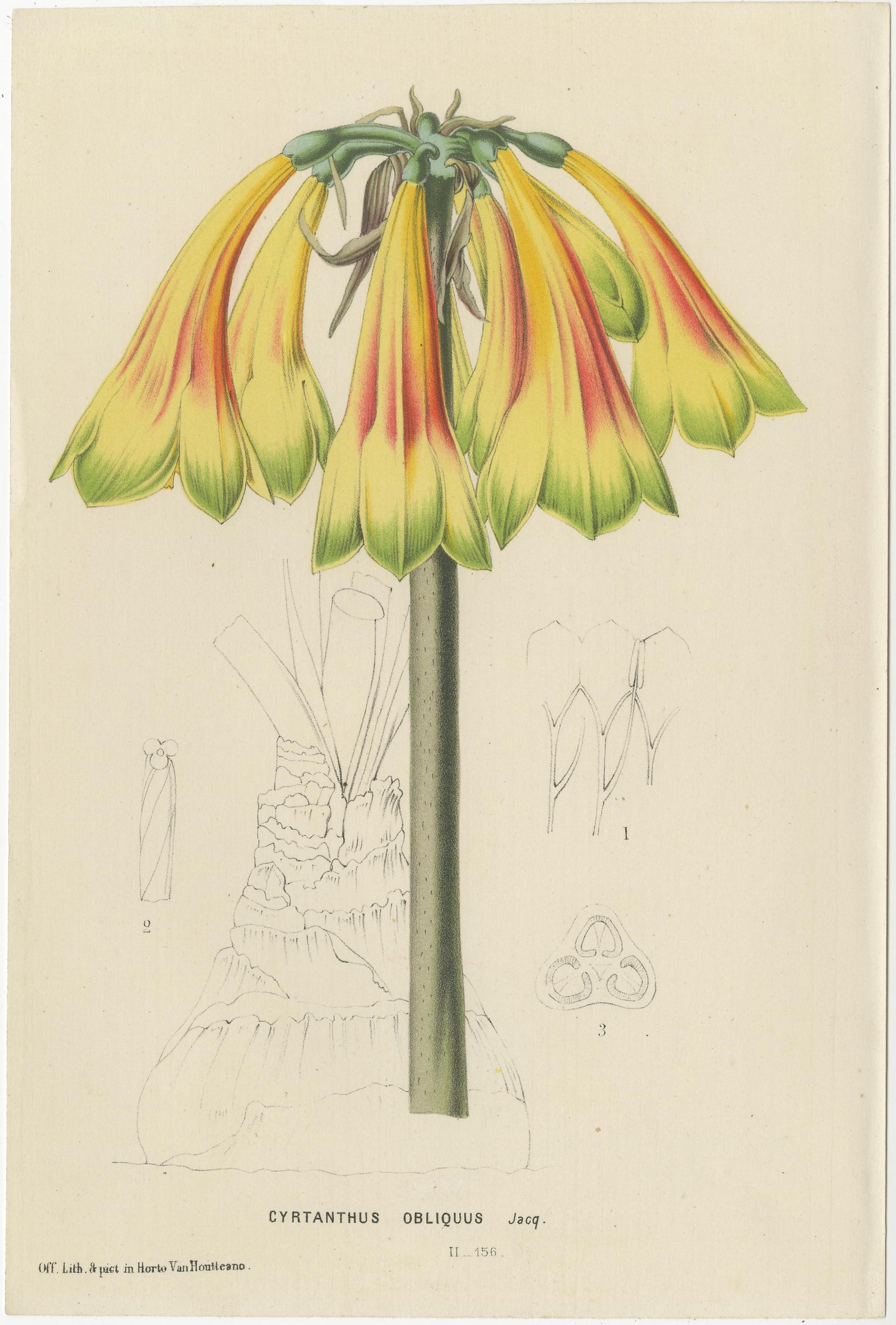
3. Cyrtanthus Obliguus
, **Latin Name:** Cyrtanthus obliquus
, **English Name:** Oblique Cyrtanthus
, **Description and Interest:** Known for its tubular, pendulous flowers that display a gradient of yellow to red, this plant is intriguing for its unusual, striking appearance and resilience in dry environments.
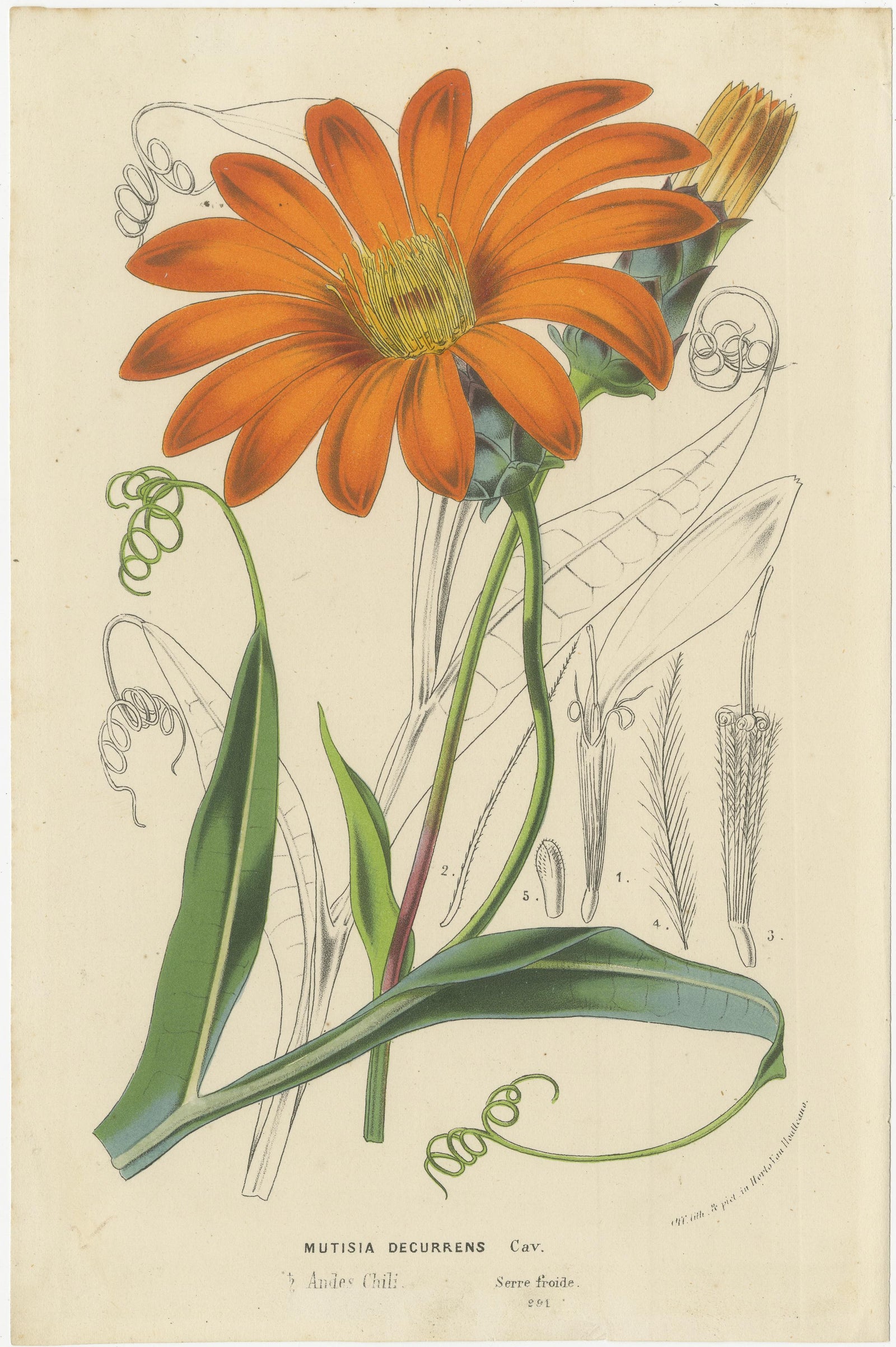
4. Mutisia Decurrens
, **Latin Name:** Mutisia decurrens
, **English Name:** Decurrent Mutisia
, **Description and Interest:** Featuring daisy-like orange flowers with a long, recurving coil, this plant is a climber, known for its unique floral structure and the ability to thrive in the Andean regions, adding to its exotic allure.
Maker and Technique
- **Artist:** The chromolithographs were typically created by skilled artists and technicians during the 19th century, with these possibly being the work of a renowned illustrator from that era, though the specific artist isn’t mentioned here.
- **Technique:** Chromolithography was the technique used, which involves layering colors through multiple lithographic stones or plates to achieve rich, detailed, and accurate renderings of the original artwork. Each color layer is meticulously applied and aligned, making chromolithographs highly prized for their depth and vibrancy.
Significance
These prints are not only scientifically valuable for their detailed botanical accuracy but also artistically, as they reflect the high level of craftsmanship of the time. They serve as a historical record of botanical exploration and the popularity of collecting and cataloging plants from around the world, which was a common pursuit during the Victorian era. The fusion of art and science in these works provides insight into the cultural and scientific zeitgeist of the late 19th century.