Original Botanical Prints · Herbs, spices & useful plants
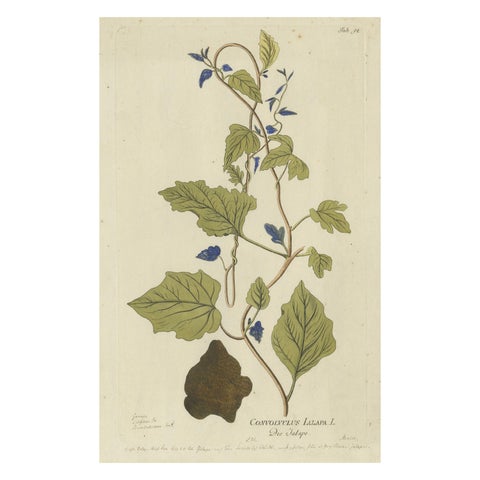
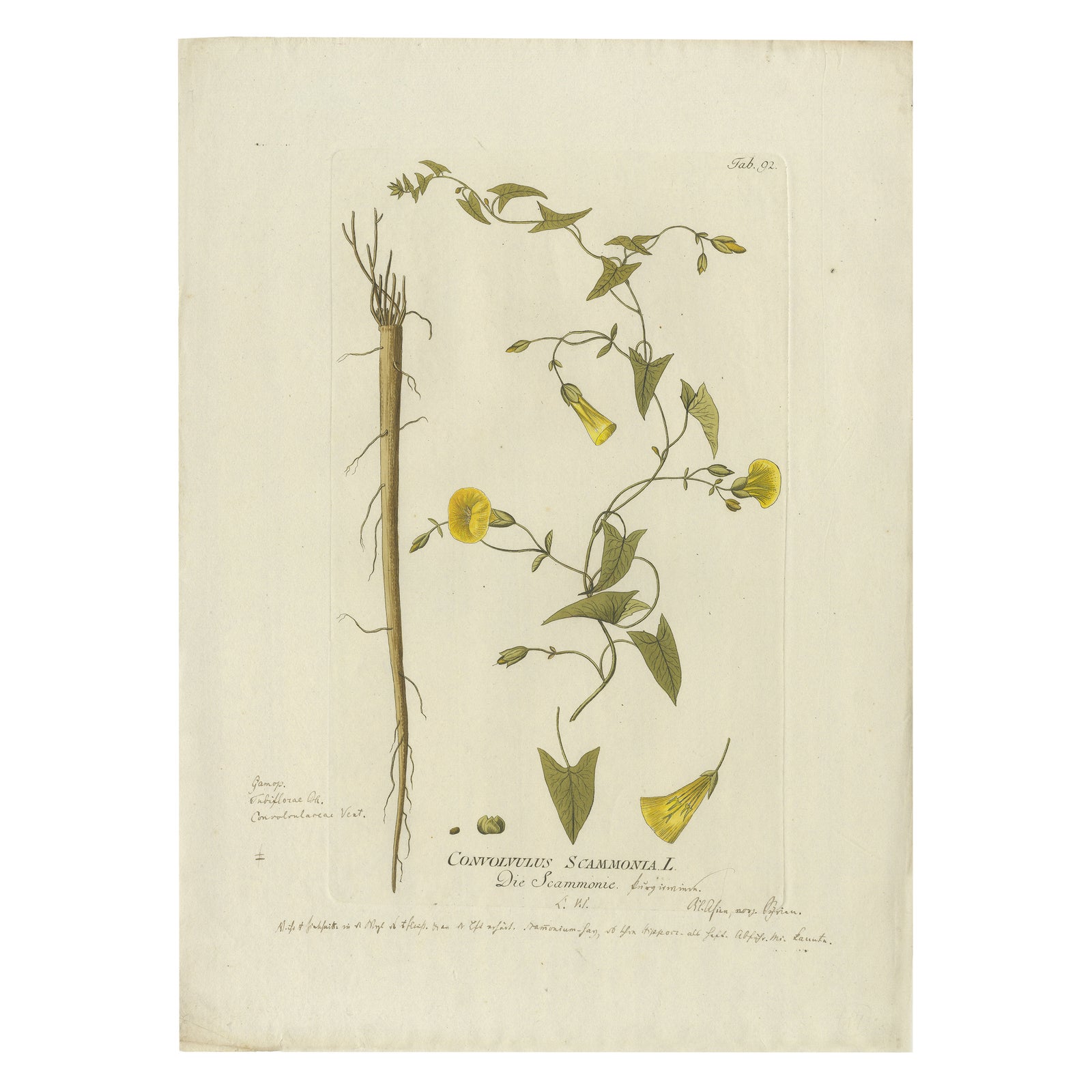
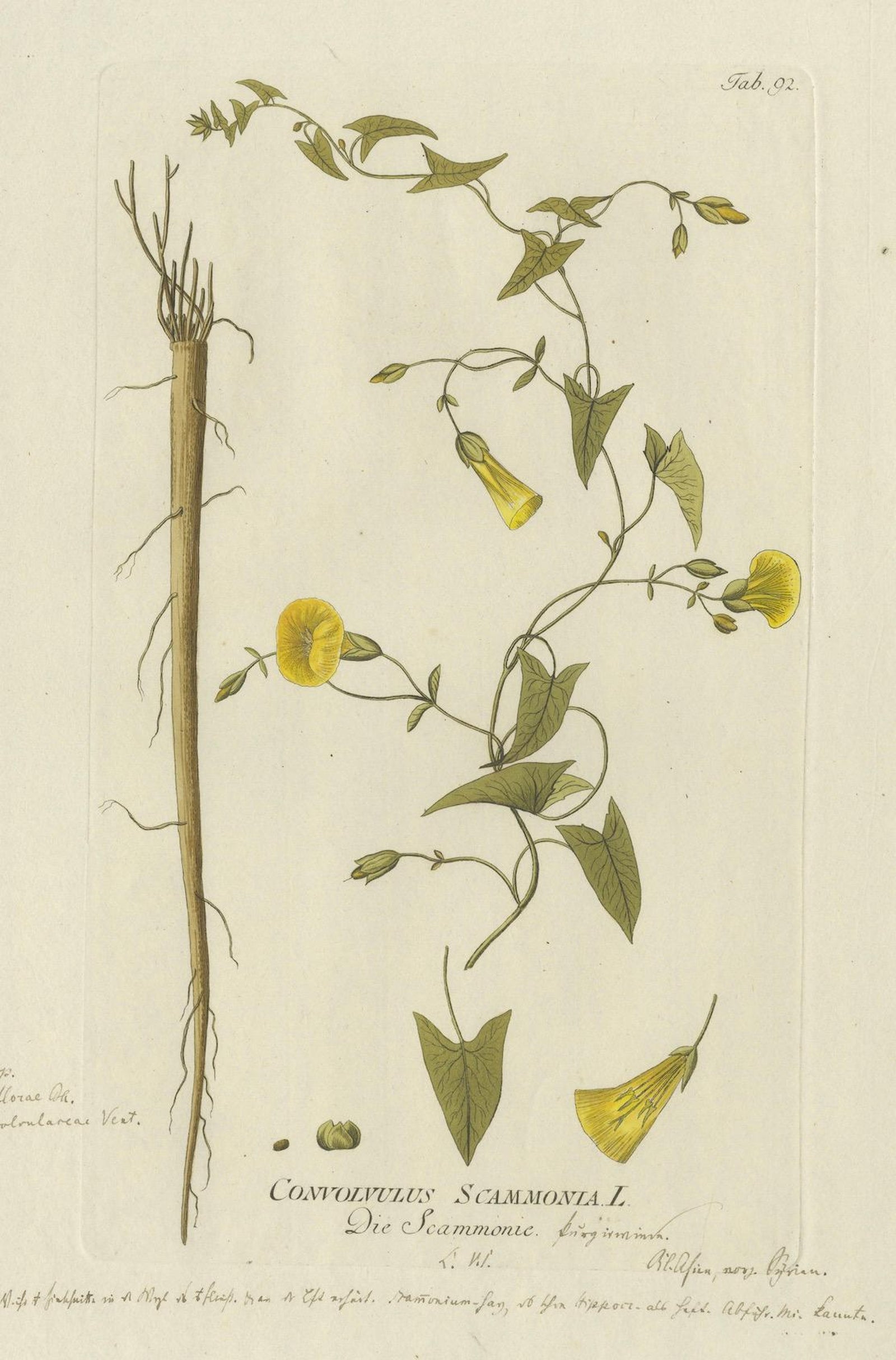
Vintage Scammony Vine Engraving, Icones Plantarum Medicinalium, 1788
No. f_41194202178834 × 48 cm
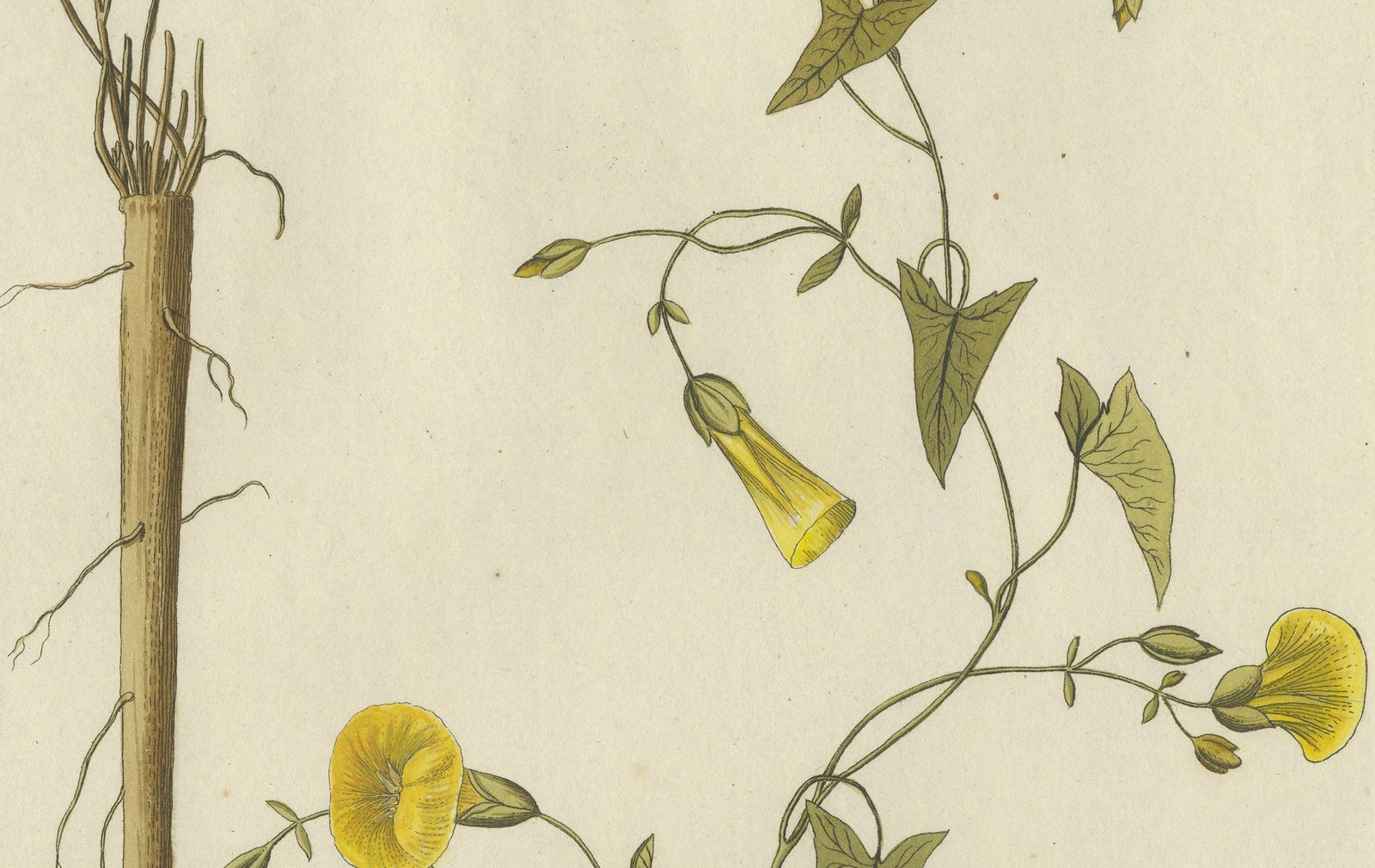
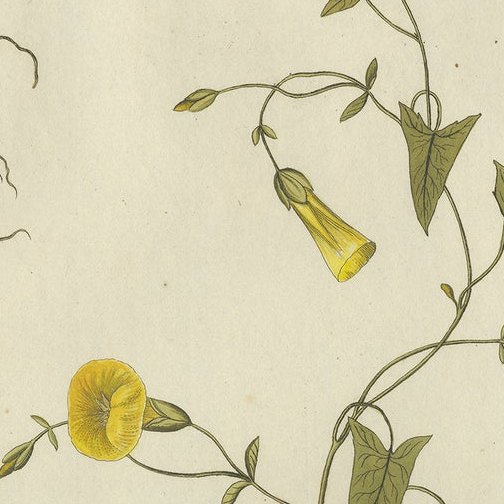
Close-ups
Framed and on the wall
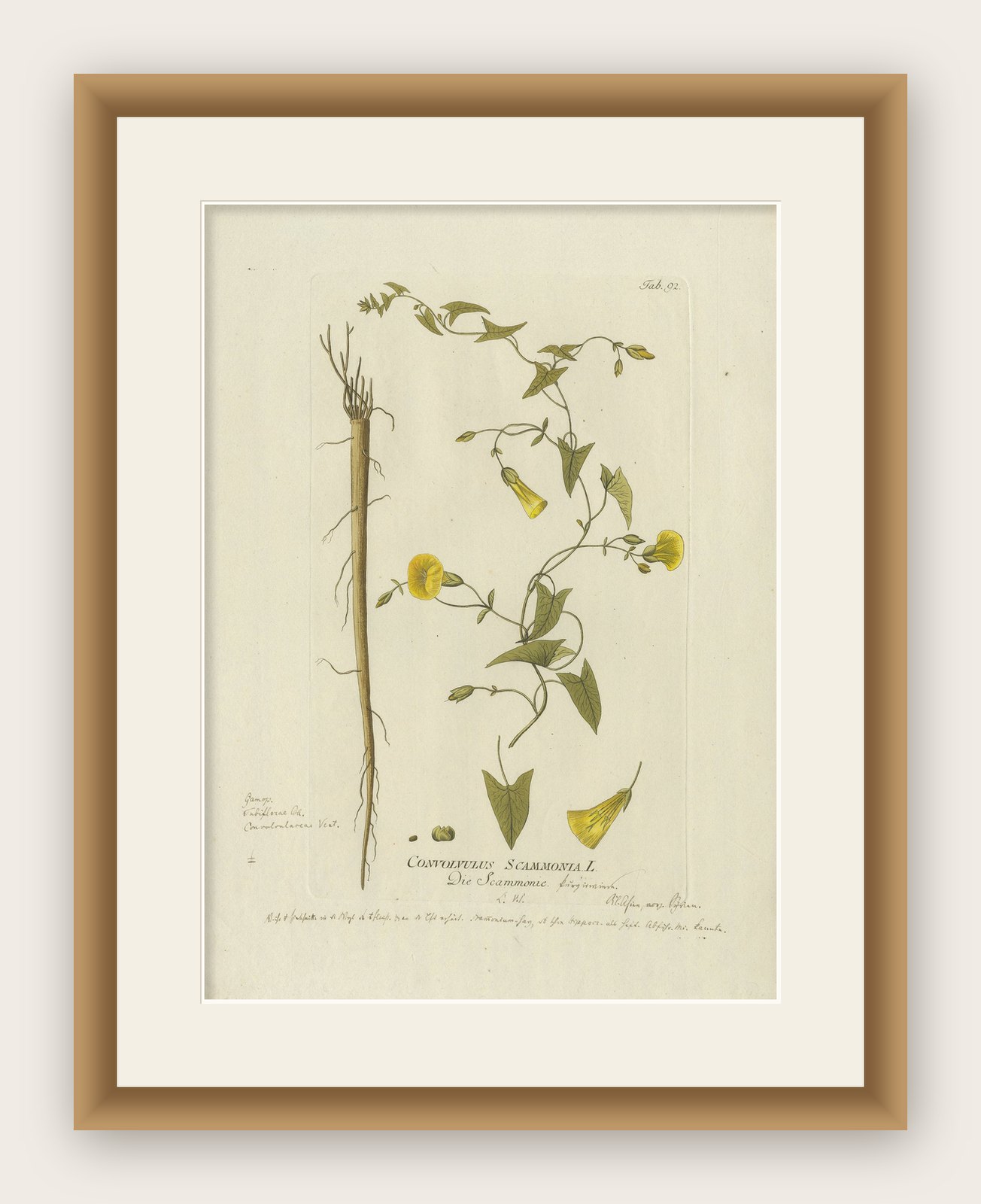
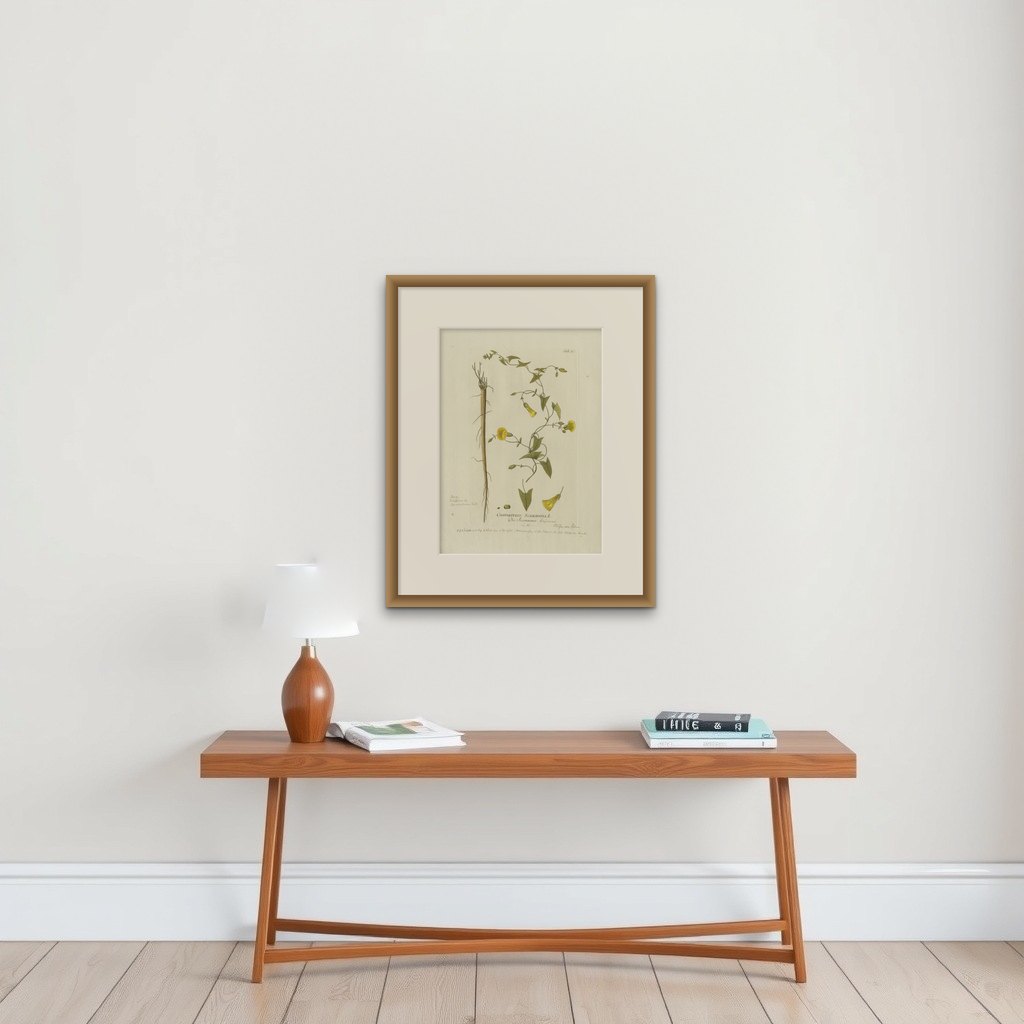

Frame and rooms are illustrations of how the print could look, drawn to its real size; it is sold unframed unless the description says otherwise.
Herbs, spices & useful plants
Vintage Scammony Vine Engraving, Icones Plantarum Medicinalium, 1788
$295
€260 · £220
Original print, not a reproduction
Ships worldwide from the Netherlands, flat, insured and tracked. 14-day returns. To buy, use Ask a question (info@originalbotanicalprints.com) and we will reserve it for you.
- Date
- 1788
- Sheet size
- 18.9 × 13.4 in (48 × 34 cm)
- Condition
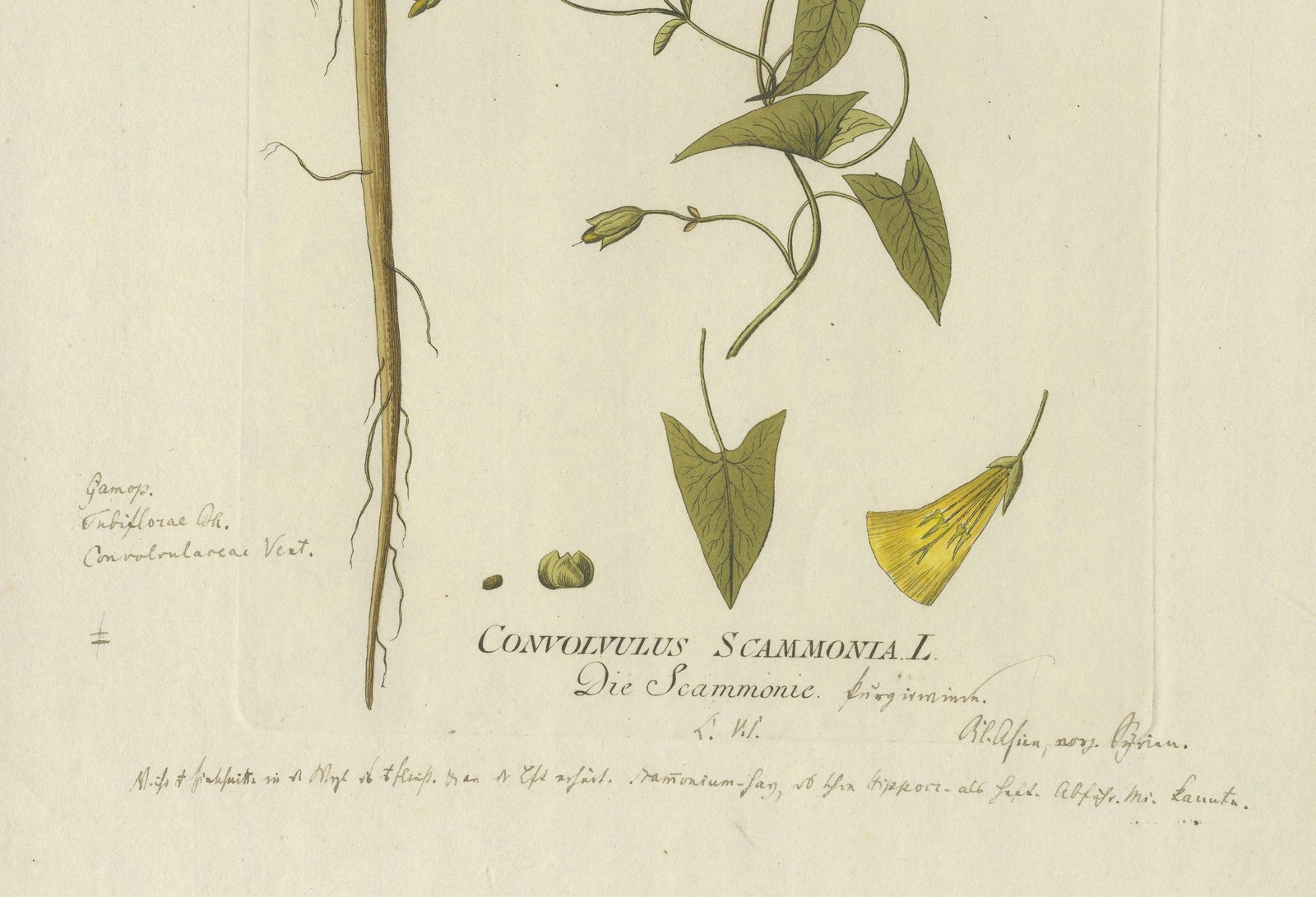
- Good. Good condition with slight signs of aging. The paper exhibits a mild patina and some edge wear indicative of its historical age. The colors remain vibrant. Some old scribblings from a previous owner, adding to its patina. Study the images carefully.
- Collection
- Herbs, spices & useful plants
- Era
- 1750 to 1799, The age of Linnaeus
- Stock no.
- f_41194202
"Vintage Scammony Vine Engraving, Icones Plantarum Medicinalium, 1788"
This hand-colored engraving depicts the Scammony plant, scientifically known as Convolvulus Scammonia. It showcases the entire plant including roots, stem, leaves, and the vibrant yellow flowers, detailed with botanical accuracy. This artwork is from Joseph Jakob Plenck's "Icones Plantarum Medicinalium," published in Vienna in 1788. This series is celebrated for its meticulous illustrations of medicinal plants, serving both scientific and educational purposes during a time when botanical knowledge was crucial to medicine and pharmacology.
About the Work
"Icones Plantarum Medicinalium" is a remarkable work due to its detailed and accurate depictions of medicinal plants, which were essential for 18th-century medicine. The engravings, like this one of the Scammony, were crucial for the identification and use of plants in treatment and had significant impact on the field of botany and pharmacology. The series provided one of the most comprehensive visuals of medicinal flora of its time, making it a valuable resource for both contemporary and modern botanical studies.
Condition Report
The engraving is in good condition with slight signs of aging. The paper exhibits a mild patina and some edge wear indicative of its historical age. The colors remain vibrant, suggesting careful preservation over the years. Some old scribblings from an earlier owner adding its patina.