Original Botanical Prints · Herbs, spices & useful plants
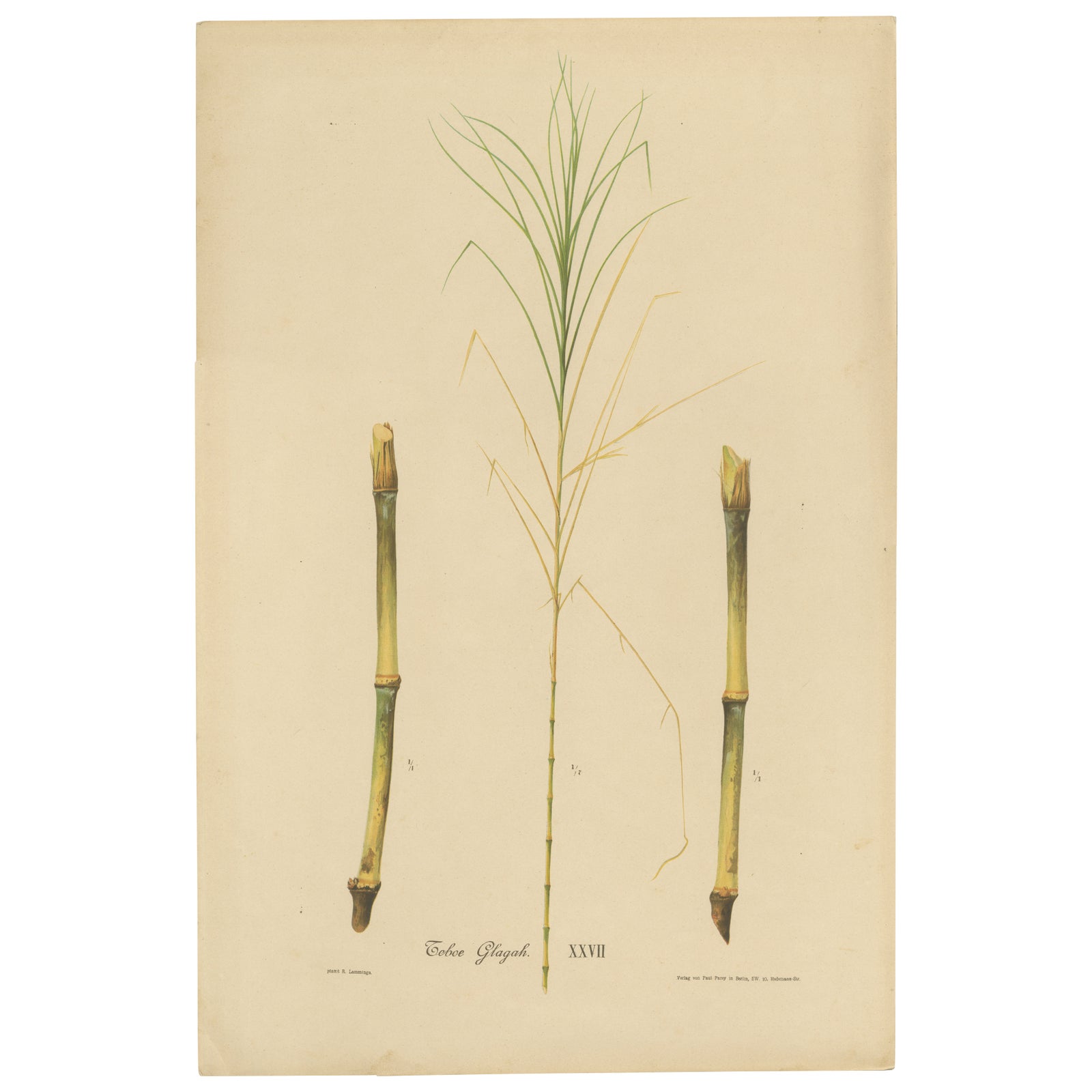
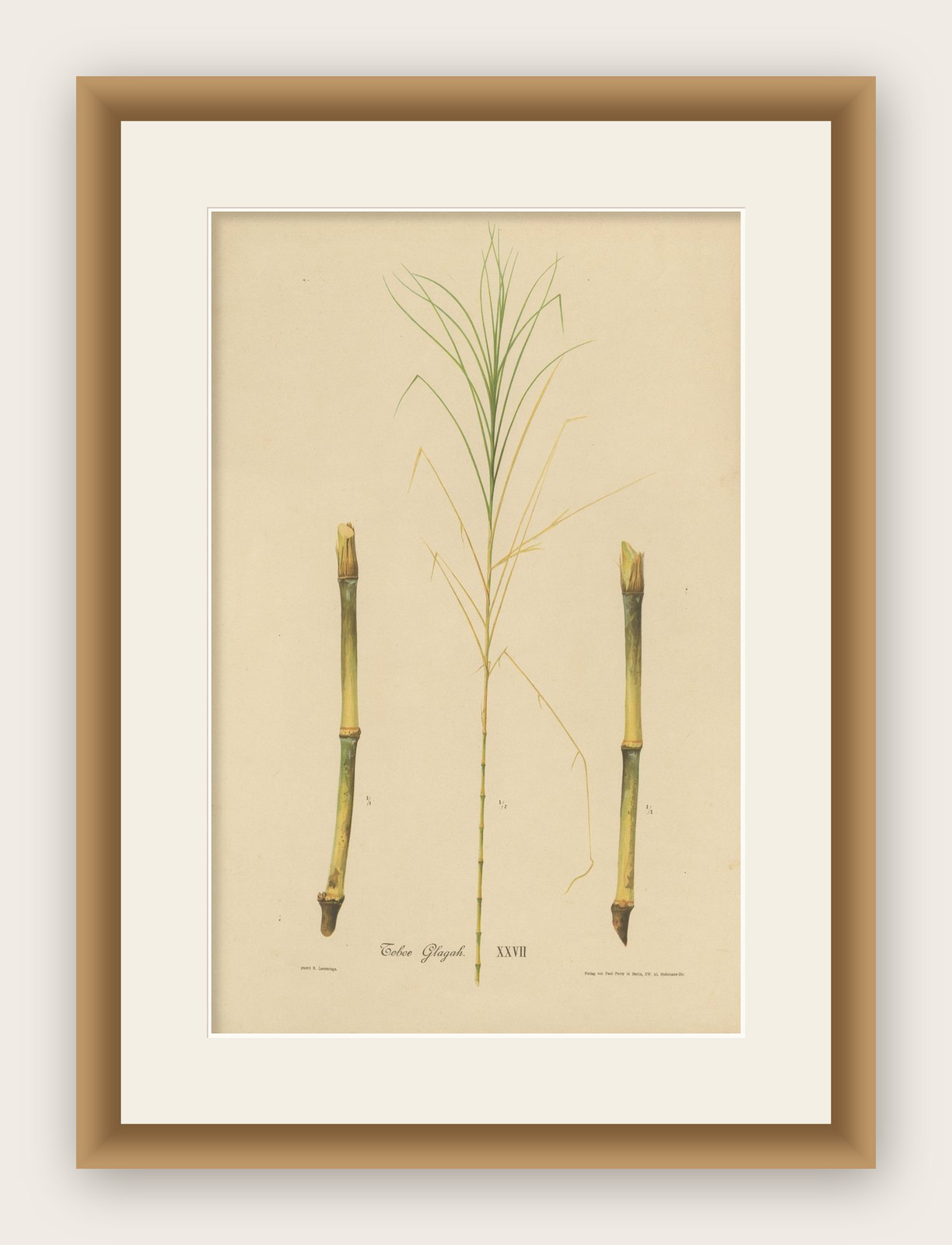
Antique Sugarcane Botanical Chromolithograph, Teboe Glagah, Java 1892
No. f_48059682189240 × 60 cm
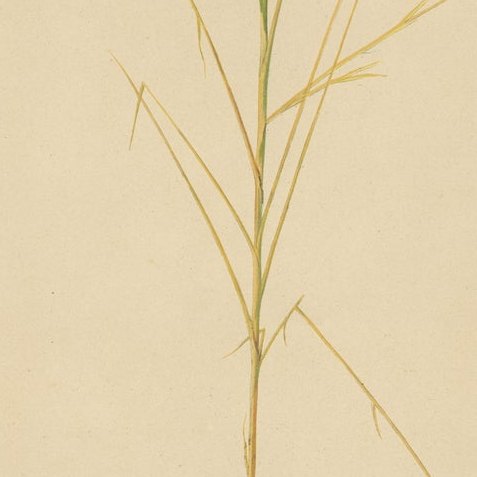
Close-ups
Framed and on the wall
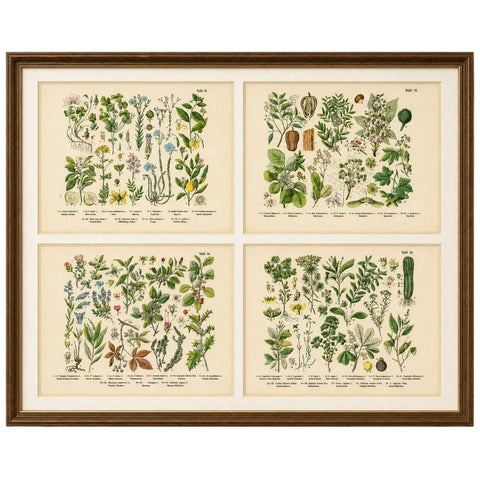
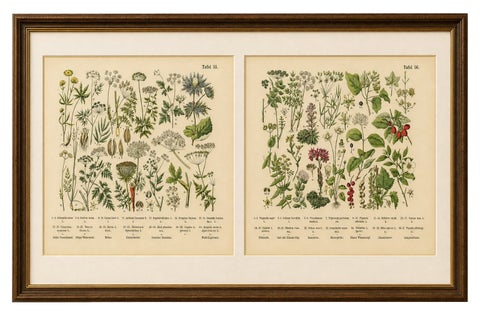
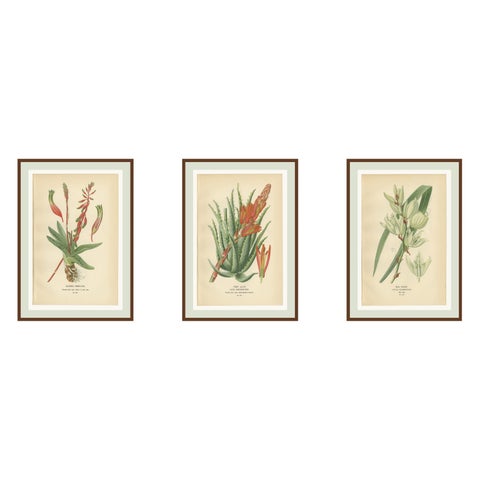
Frame and rooms are illustrations of how the print could look, drawn to its real size; it is sold unframed unless the description says otherwise.
Herbs, spices & useful plants
Antique Sugarcane Botanical Chromolithograph, Teboe Glagah, Java 1892
$1,010
€895 · £760
Original print, not a reproduction
Ships worldwide from the Netherlands, flat, insured and tracked. 14-day returns. To buy, use Ask a question (info@originalbotanicalprints.com) and we will reserve it for you.
- Date
- 1892
- Sheet size
- 23.6 × 15.7 in (60 × 40 cm)
- Condition
- Good. One plate in very good condition for its age. Light, even age toning and minor surface marks consistent with atlas plates. Slight marginal wear. Colours remain fresh and well preserved. Plate mark visible. No significant tears or losses.
- Collection
- Herbs, spices & useful plants
- Era
- 1850 and after, Chromolithographs and plant hunters
- Stock no.
- f_48059682
Antique Sugarcane Botanical Chromolithograph, Teboe Glagah, Java 1892
Description
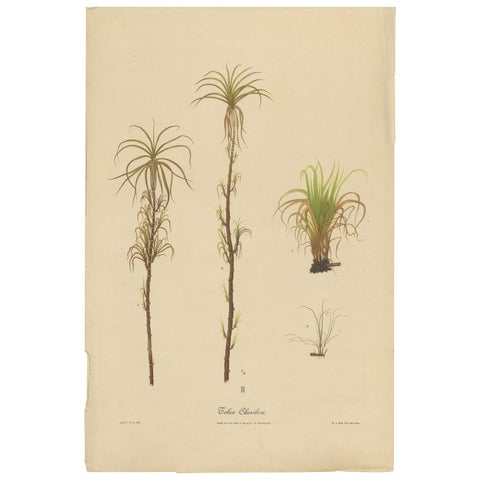
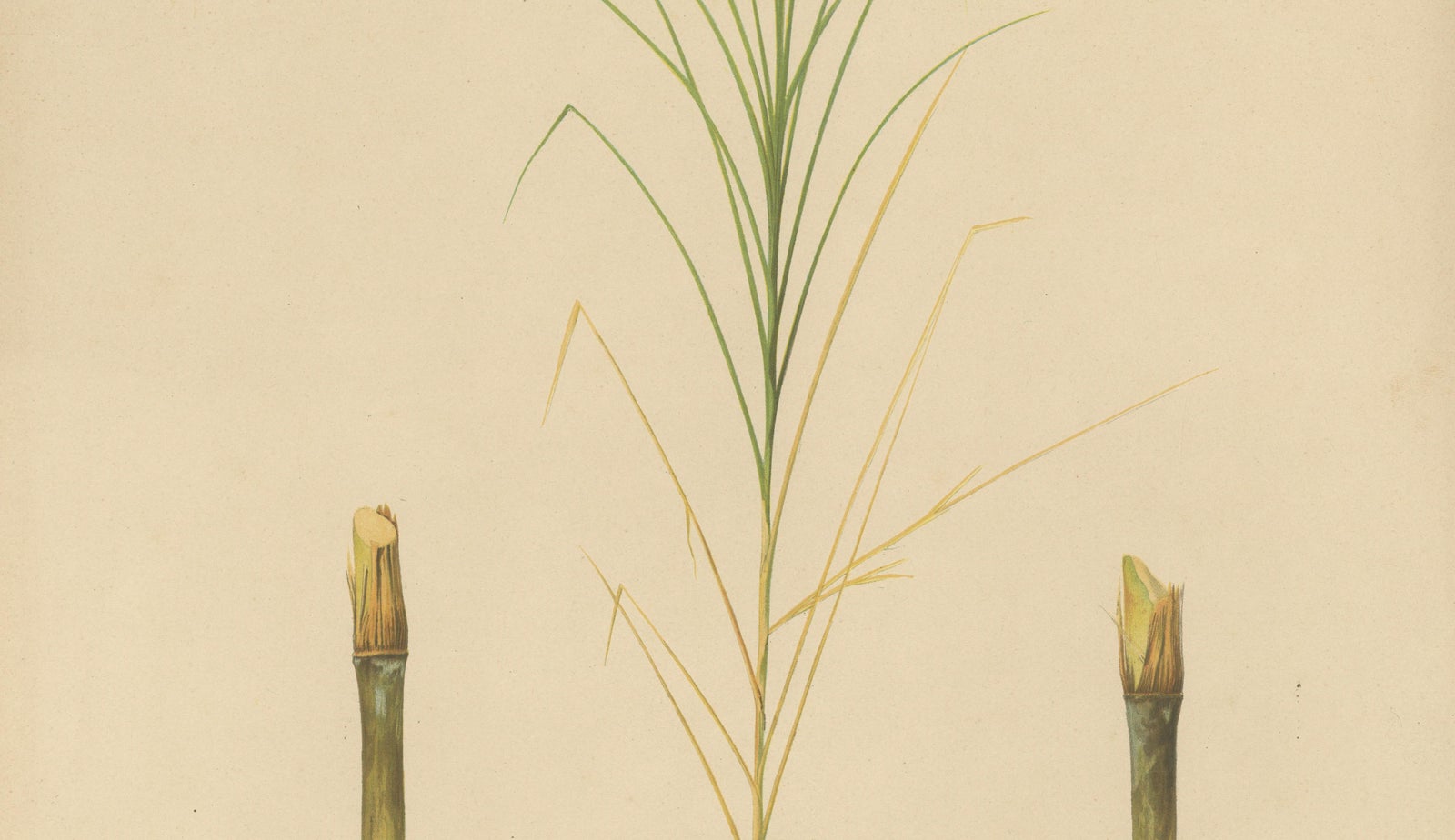
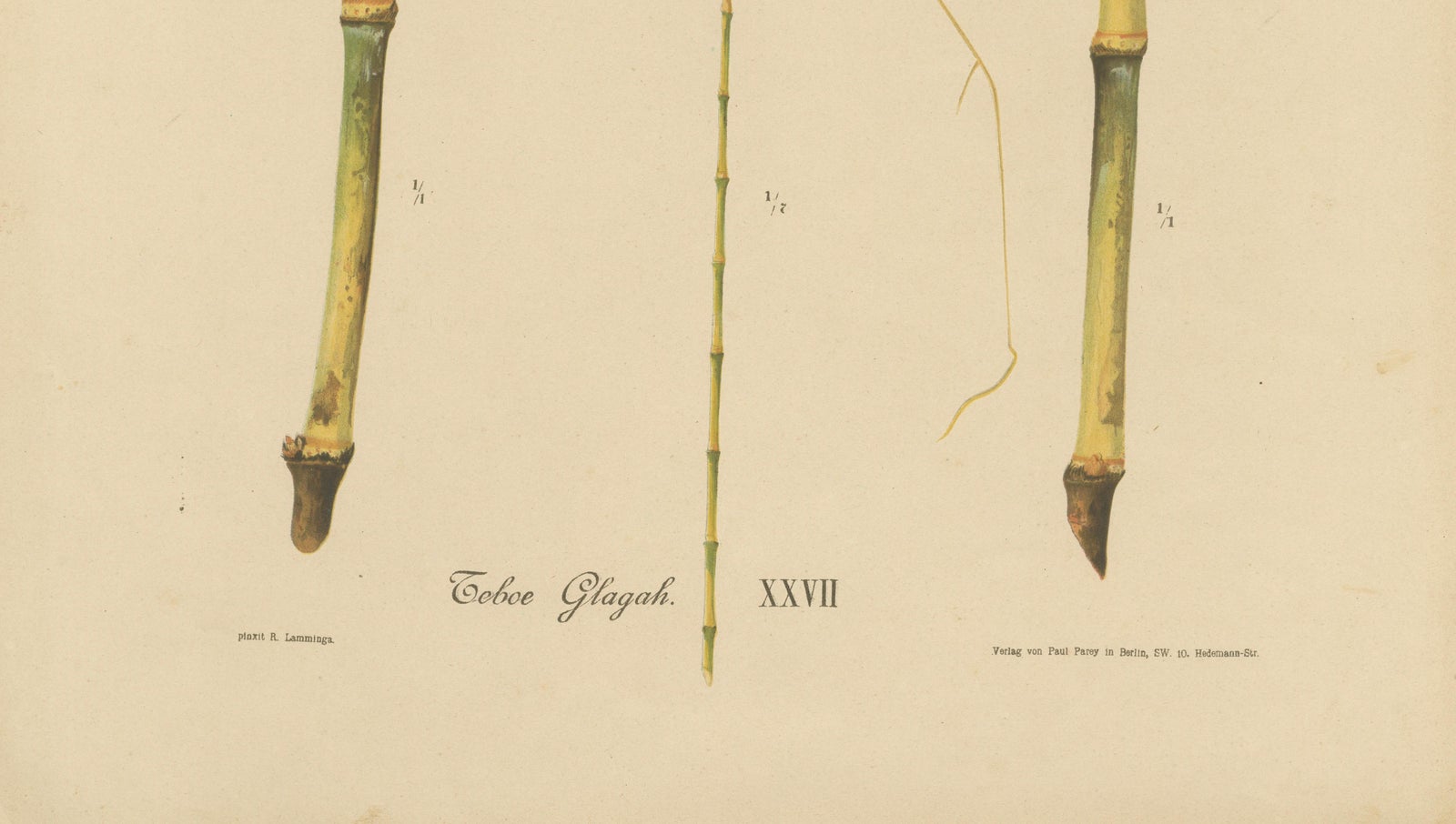
This large chromolithographic plate depicts the sugarcane variety known as Teboe Glagah and was published in Berlin in 1892 as part of Friedrich Soltwedel’s important botanical study Formen und Farben von Saccharum officinarum L. und verwandten Arten. Printed by W. A. Meyn, the plate represents the highest standards of late nineteenth-century scientific and agricultural illustration.
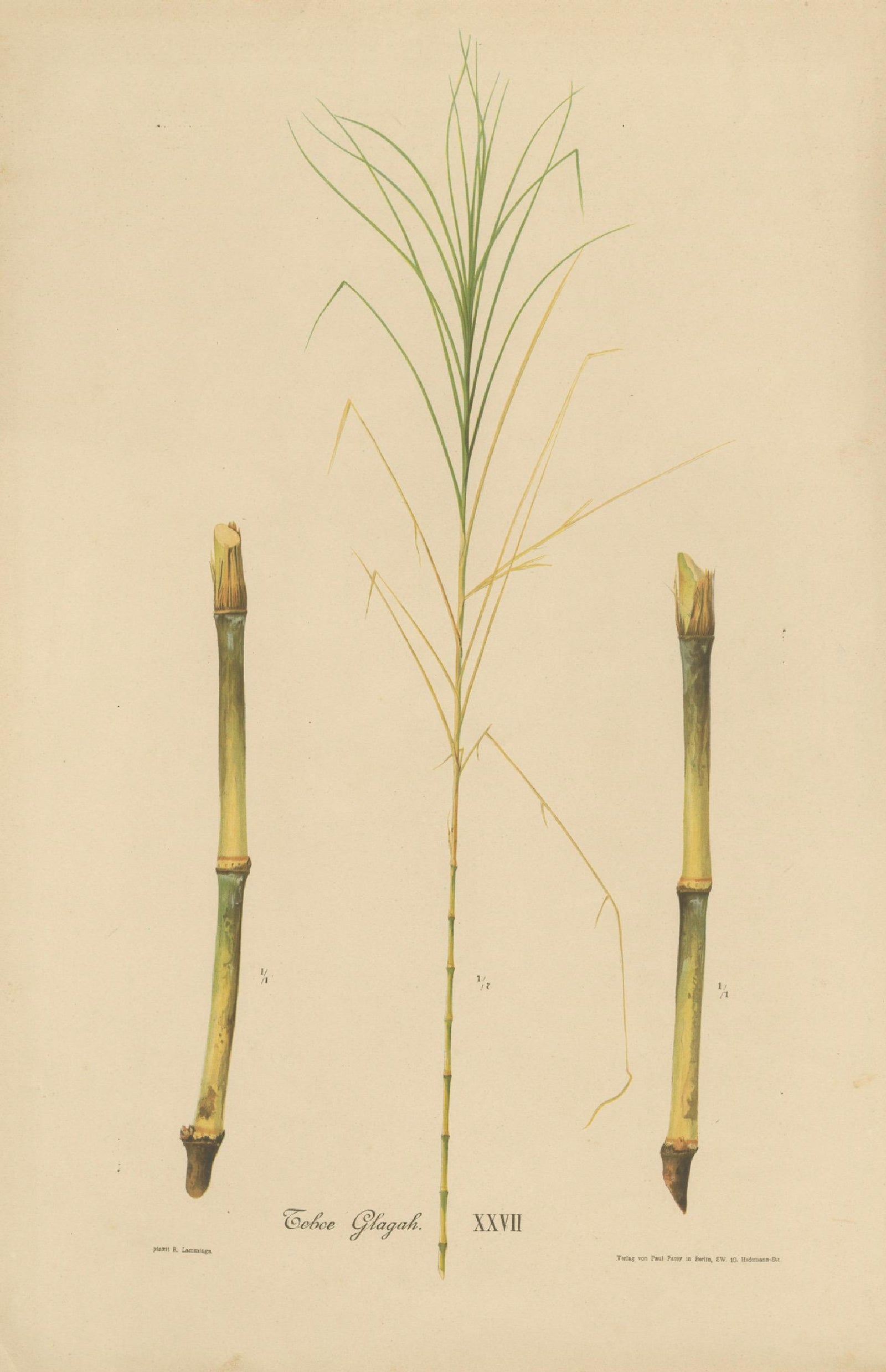
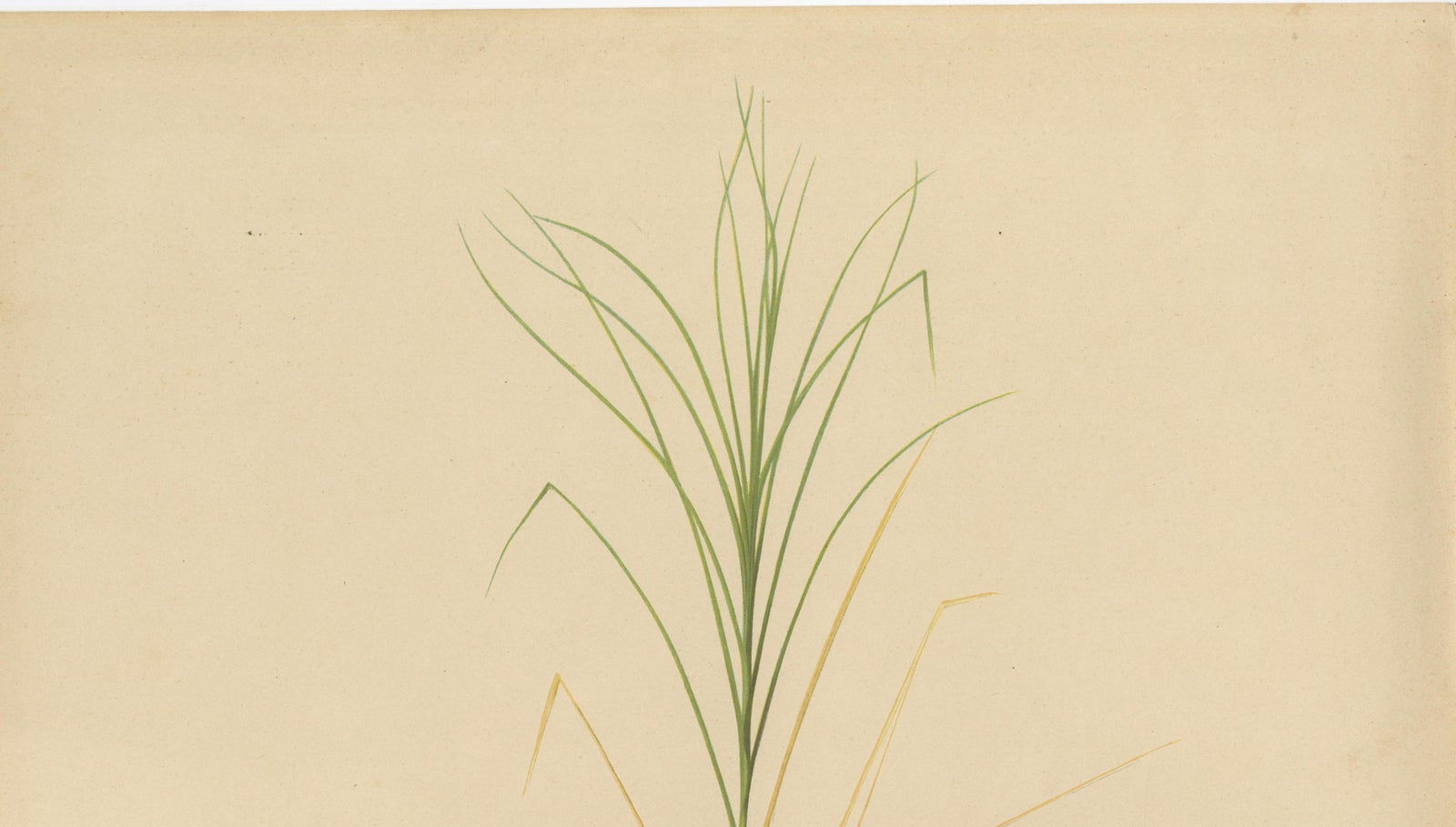
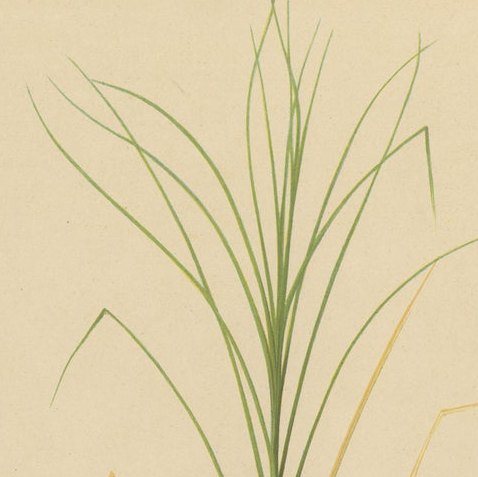
Plate XXVII is exceptional within the series because it illustrates not only cut cane segments but also the full standing plant with leaves, offering a more complete botanical profile than most other plates in the atlas. The central figure shows the slender cane rising upward into long, narrow, arching leaves, rendered in delicate green and straw-yellow tones. Flanking this are two cut sections of the cane, allowing direct comparison between overall growth habit and structural details such as nodes and internodes.
“Teboe Glagah” refers to a cane associated with wild or grass-like forms of sugarcane, and this is visually reflected in the lighter coloration and elegant, airy appearance of the plant. The composition combines scientific clarity with a strong decorative rhythm, making it one of the most visually refined plates in the set.
Issued separately from the accompanying text volume, Soltwedel’s chromolithographic plates are today scarce, particularly examples like this that combine structural detail with full plant depiction. This plate appeals equally to collectors of botanical prints, historians of agriculture, and interior designers seeking tall, elegant imagery with natural movement.
Condition report
One plate in very good condition for its age. Light, even age toning and minor surface marks consistent with atlas plates. Slight marginal wear. Colours remain fresh and well preserved. Plate mark visible. No significant tears or losses.
Framing suggestions
Best framed vertically to emphasize the height of the plant. A slim dark walnut or ebonized frame with an ivory or soft parchment mat creates a calm, museum-style presentation. Alternatively, a muted antique gold frame adds warmth while maintaining a refined botanical character. Wide matting is recommended to preserve the original margins and enhance visual impact.
Technique: Chromolithography
Maker: W. A. Meyn after F. Soltwedel, Berlin, 1892