Original Botanical Prints · Flowers
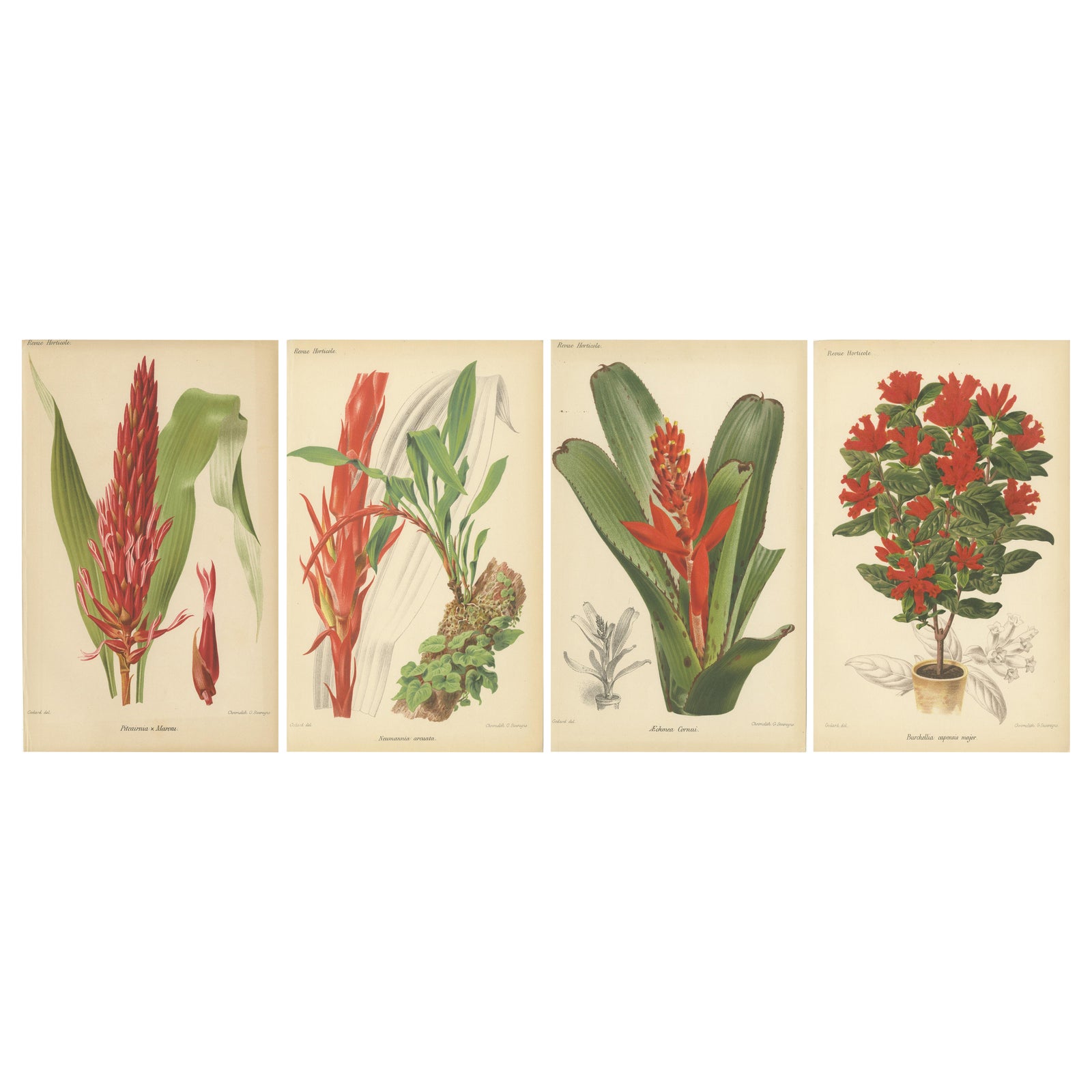
Exotic Botanicals: Pitcairnia, Neumannia, Echnea, and Burchellia, circa 1880
No. f_41443002188016.5 × 25 cm
Framed and on the wall
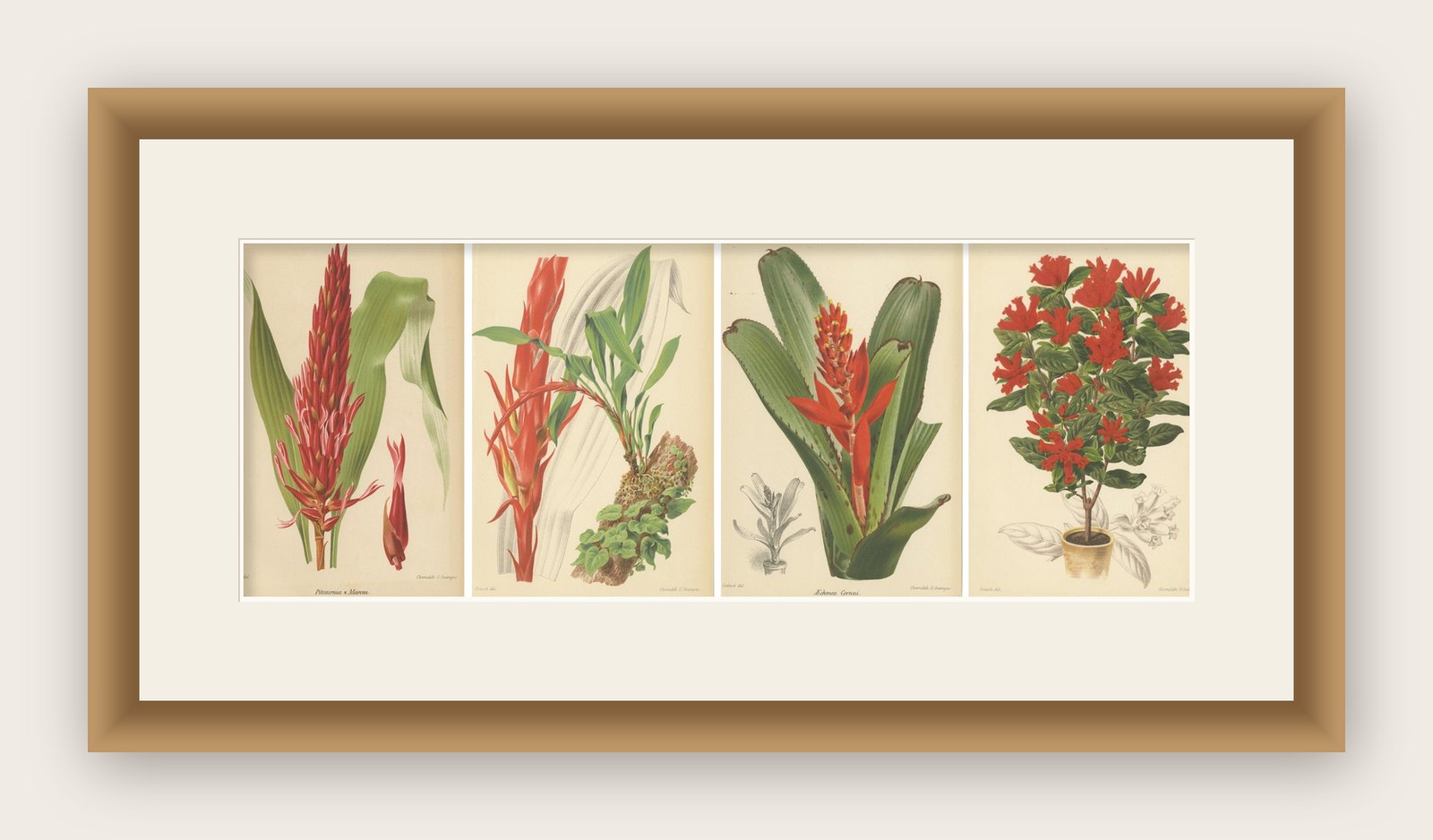
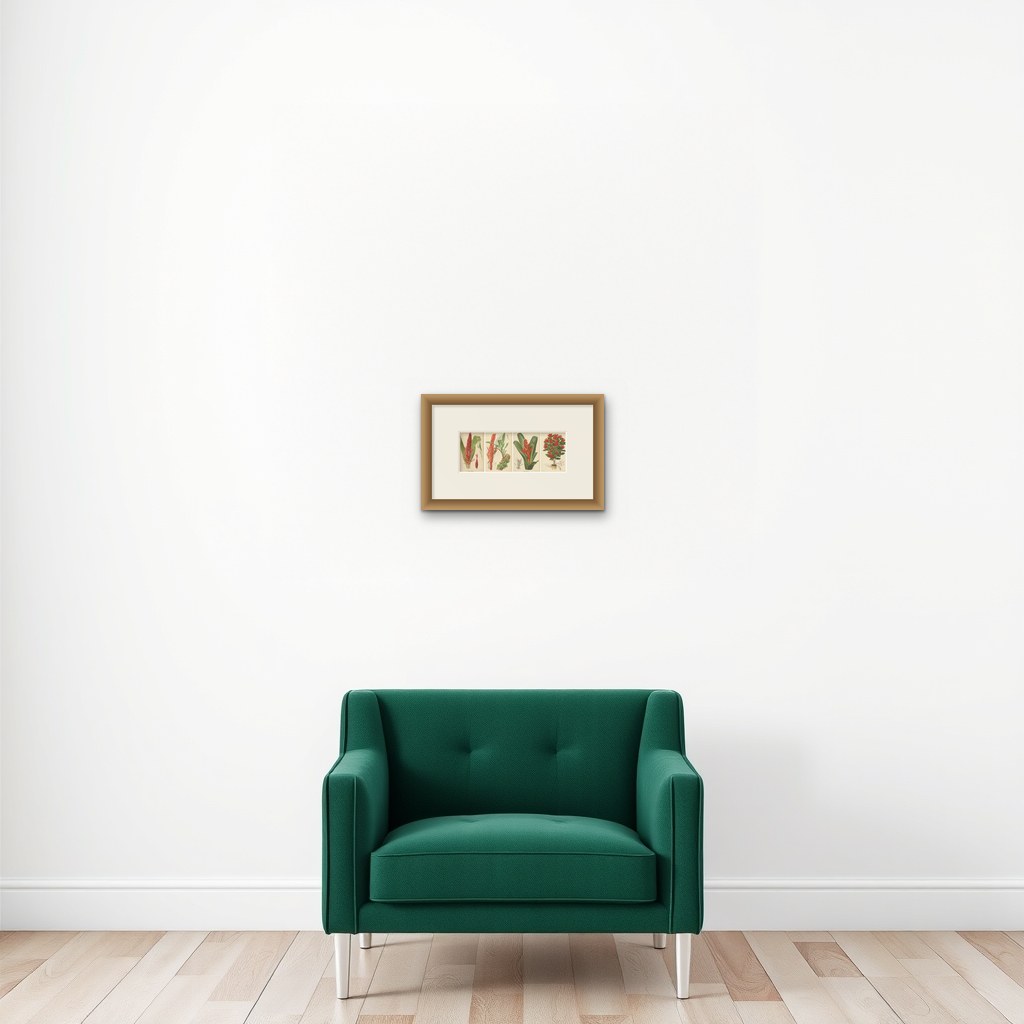

Frame and rooms are illustrations of how the print could look, drawn to its real size; it is sold unframed unless the description says otherwise.
Flowers
Exotic Botanicals: Pitcairnia, Neumannia, Echnea, and Burchellia, circa 1880
$495
€440 · £375
Original print, not a reproduction
Ships worldwide from the Netherlands, flat, insured and tracked. 14-day returns. To buy, use Ask a question (info@originalbotanicalprints.com) and we will reserve it for you.
- Date
- 1880
- Sheet size
- 9.8 × 6.5 in (25 × 16.5 cm)
- Condition
- Very good, given age. General age-related toning and/or occasional minor defects from handling. Please study scan carefully.
- Collection
- Flowers
- Era
- 1850 and after, Chromolithographs and plant hunters
- Stock no.
- f_41443002
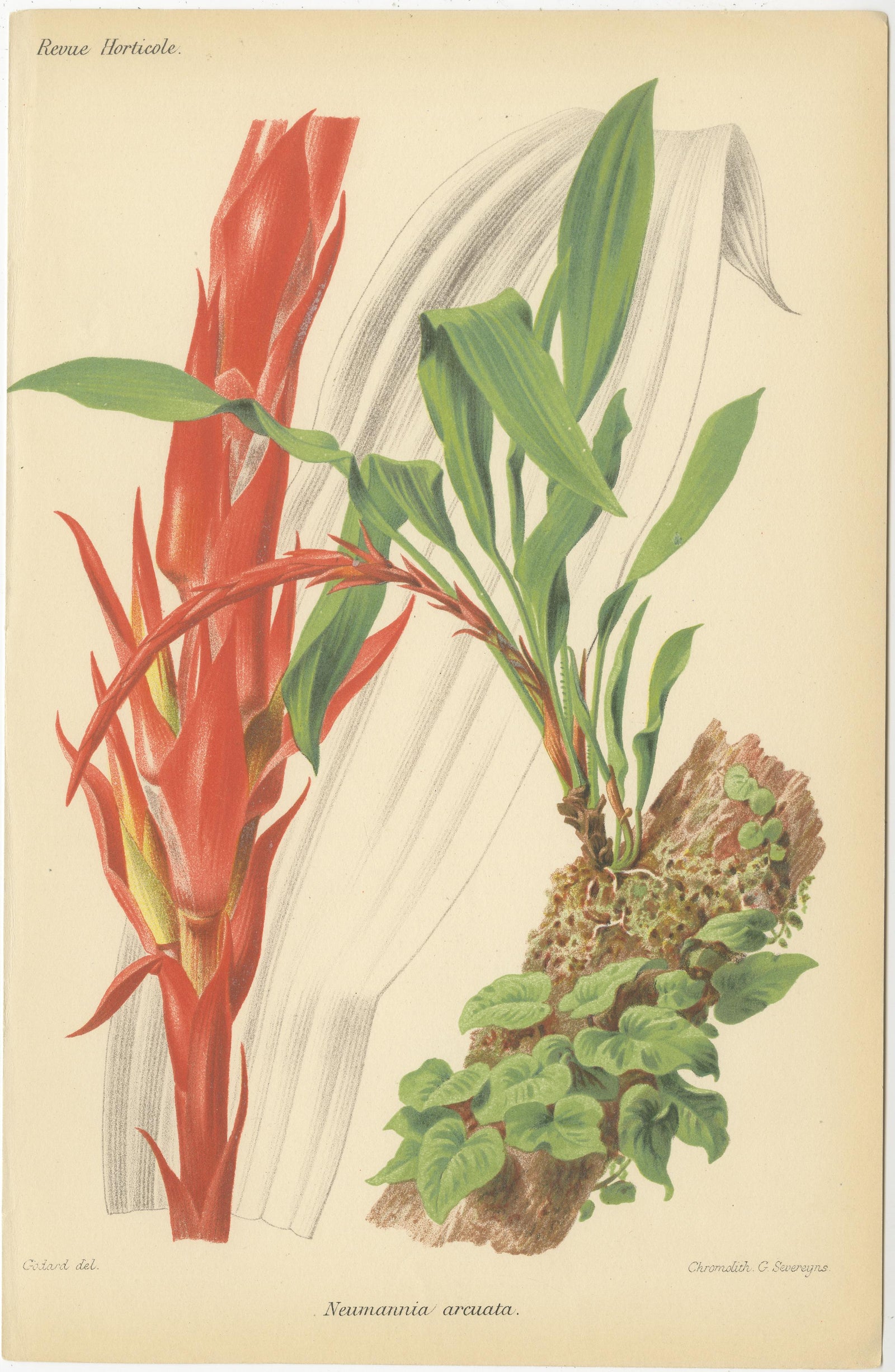
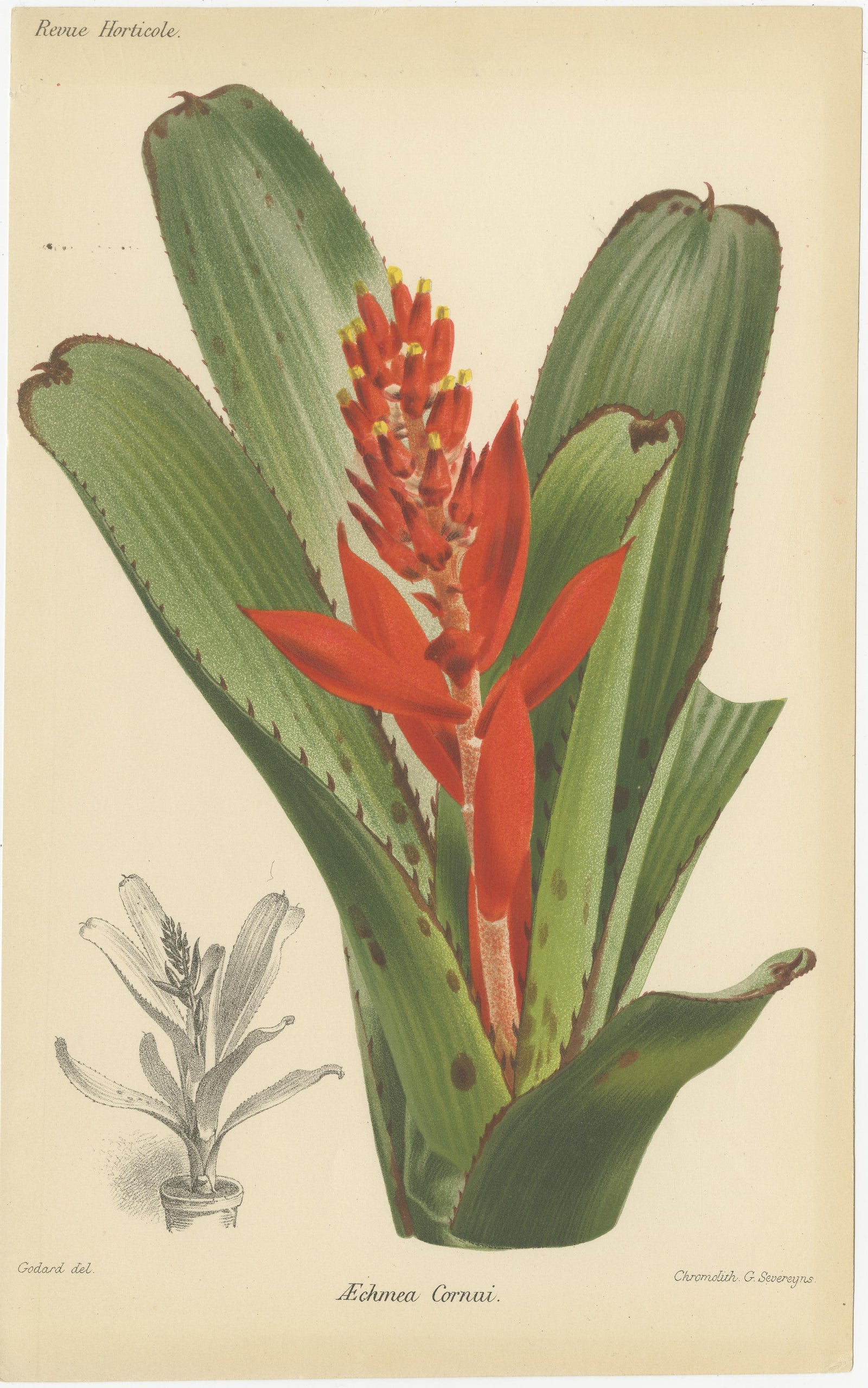
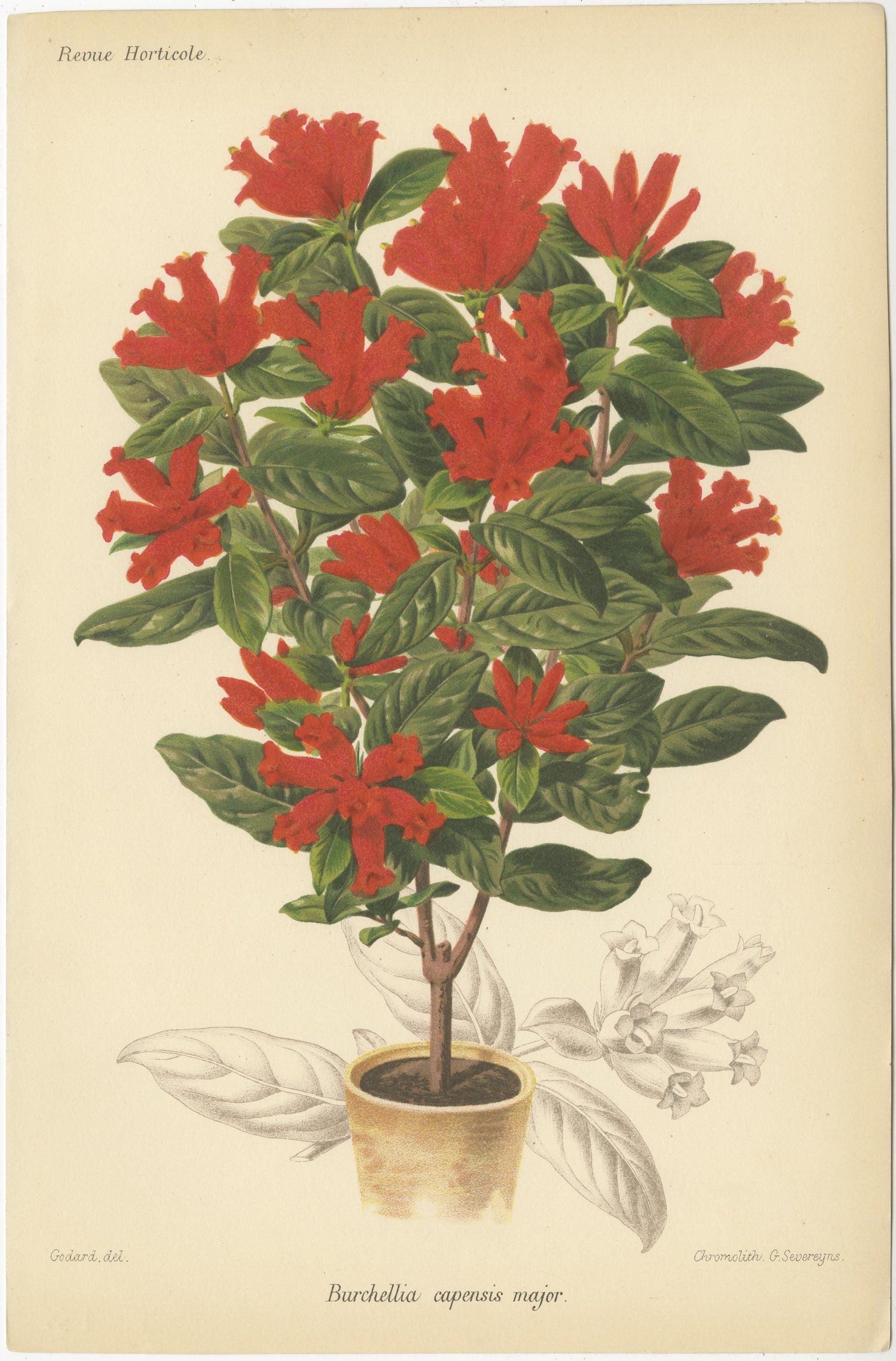
These chromolithographs were published in the "Revue Horticole" where they showcase an exquisite level of detail and vibrant color, typical of high-quality chromolithographic printing.
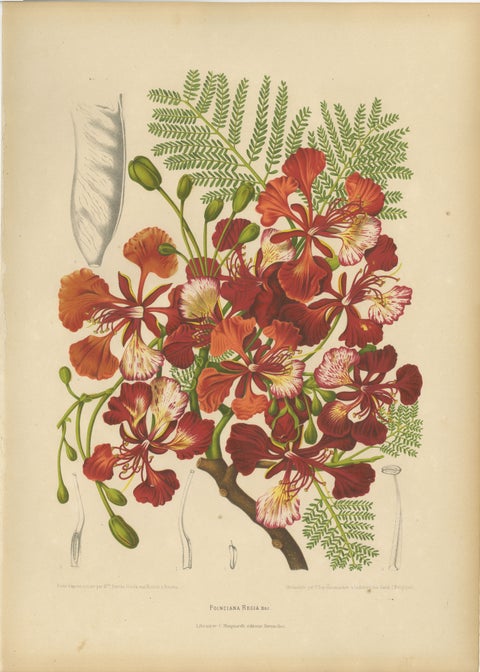
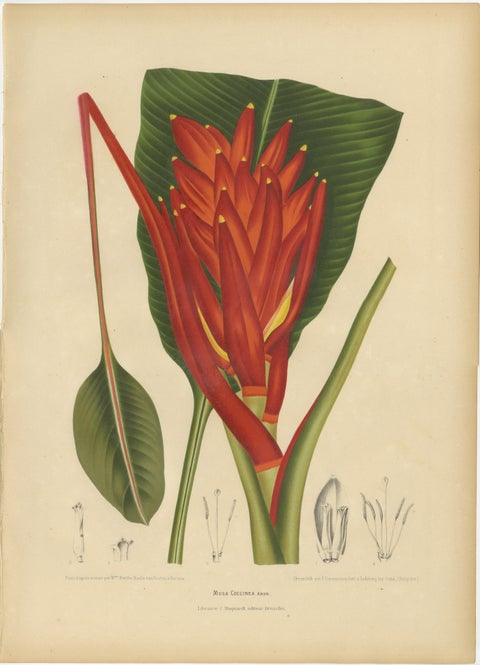
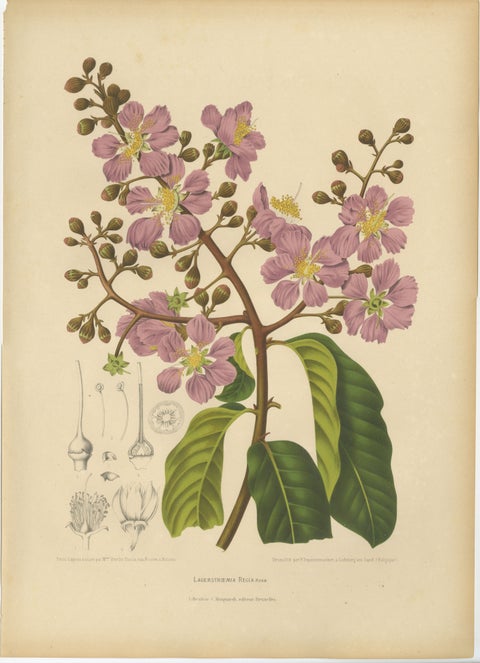
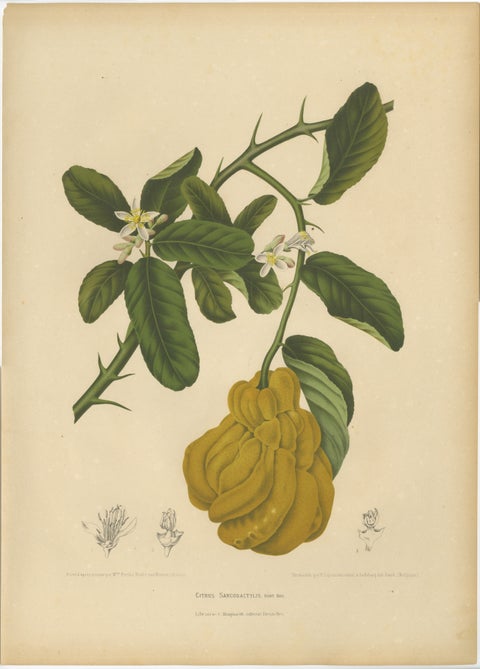
These prints, made by the artist Godard and chromolithographed by G. Severeyns, depict various exotic plants with striking accuracy and artistic flair. Here are details about each of the depicted plants:
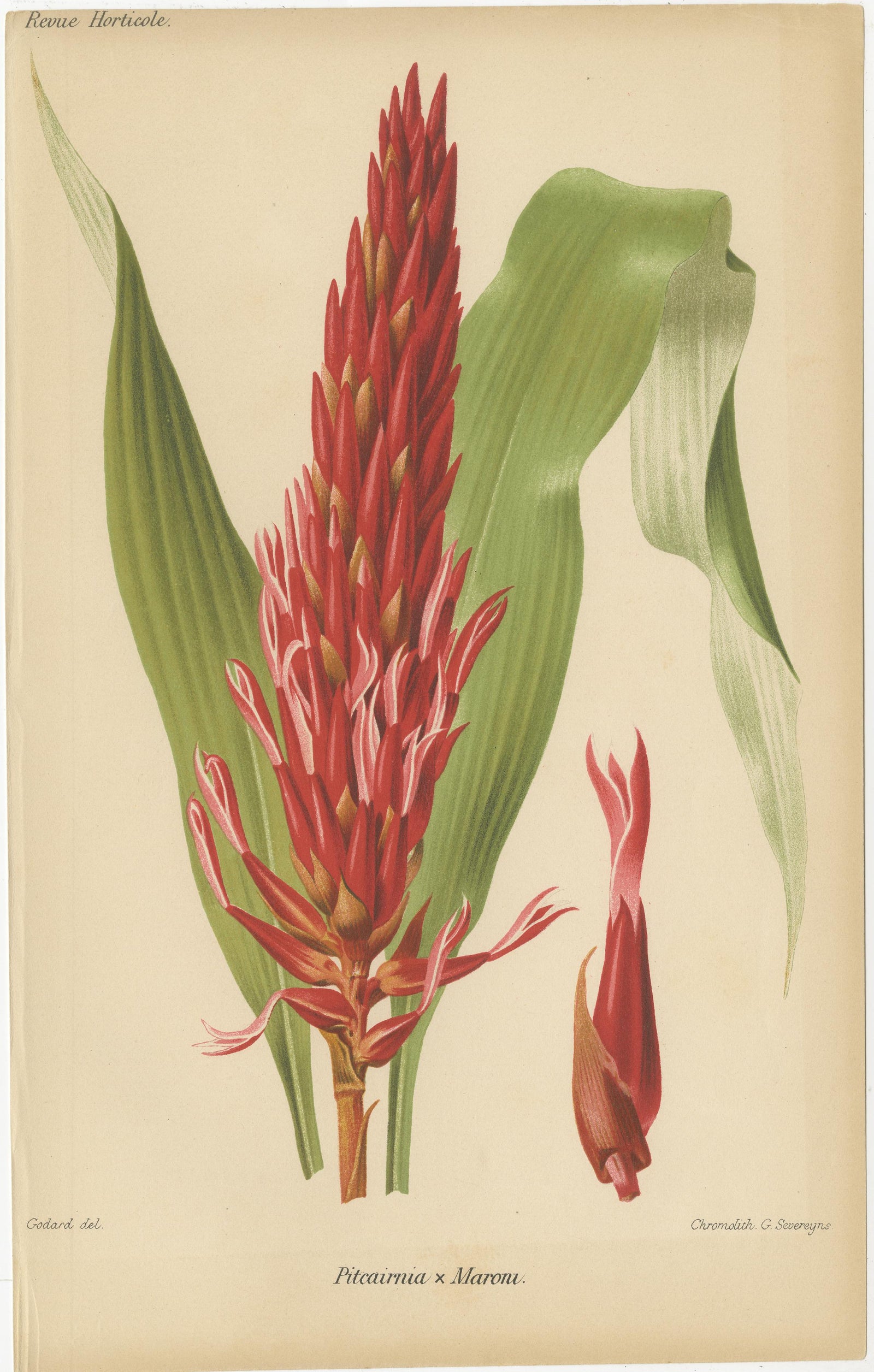
1. Pitcairnia × Maronu, Shows a striking red inflorescence with vibrant green leaves, capturing the tropical and exotic essence of the plant.
2. Neumannia arcuata, Illustrated with arching red bracts and contrasting green foliage, emphasizing the unique structural features of this species.
3. Echnea Cornui, Depicts a bright red flowering spike surrounded by large green leaves, highlighting the plant's ornamental appeal.
4. Burchellia capensis major, Displays vibrant red flowers against a backdrop of lush green leaves, typical of this decorative shrub.
These illustrations are representative of the 19th-century fascination with botanical studies and the movement to document plant species from around the world, especially those that were not native to Europe. The "Revue Horticole" was a French horticultural journal that regularly featured such botanical illustrations, catering to both the scientific community and horticultural enthusiasts.
Publication Year:
The "Revue Horticole" was published semi-monthly and these prints likely date from the latter half of the 19th century, particularly around the 1870s to 1880s, a period when the chromolithography technique was widely used for its ability to produce vivid, detailed color illustrations.
Here are the Latin names of the plants depicted in the chromolithographs, along with their corresponding English names:
1. **Pitcairnia × Maronu**
, **English Name**: This is a hybrid species, so it does not have a widely recognized common English name. Generally, plants in the Pitcairnia genus are part of the broader group known as bromeliads.
2. **Neumannia arcuata**
, **English Name**: This specific species does not have a well-established common English name. Neumannia, like Pitcairnia, belongs to the bromeliad family, often celebrated for their distinctive and colorful bracts.
3. **Echnea Cornui** (likely a misspelling or variant spelling of what might be intended as **Echmea cornui**)
, **English Name**: Horned Echmea
, Note: The genus Echmea is a large group of bromeliads, known for their rosette-forming growth and striking flower spikes.
4. **Burchellia capensis major**
, **English Name**: Wild Pomegranate
, This plant is native to South Africa and is known for its attractive red-orange flowers that resemble those of a pomegranate.
These plants are typically tropical or subtropical, appreciated in gardens and collections for their unique appearances and vibrant colors.
Explore