Original Botanical Prints · Flowers
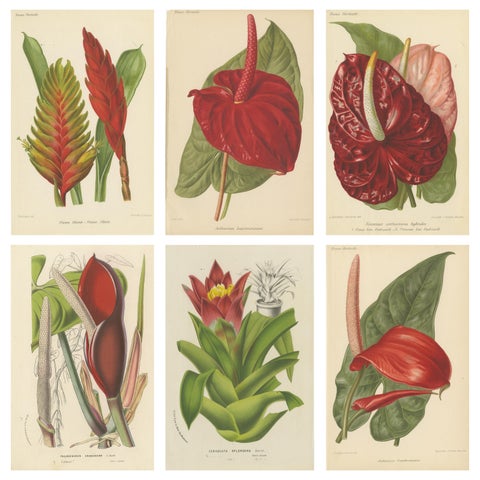
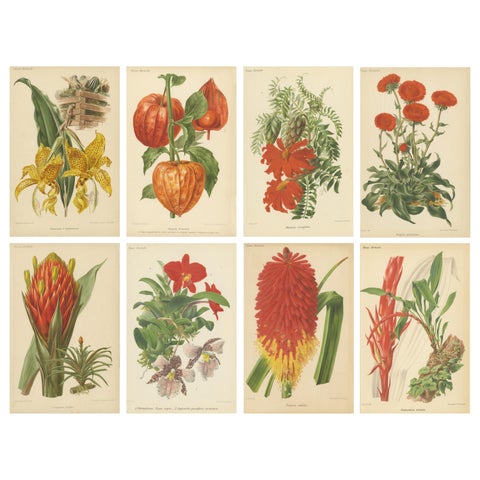
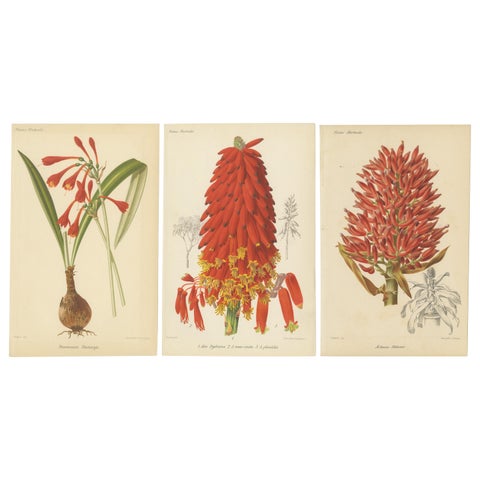
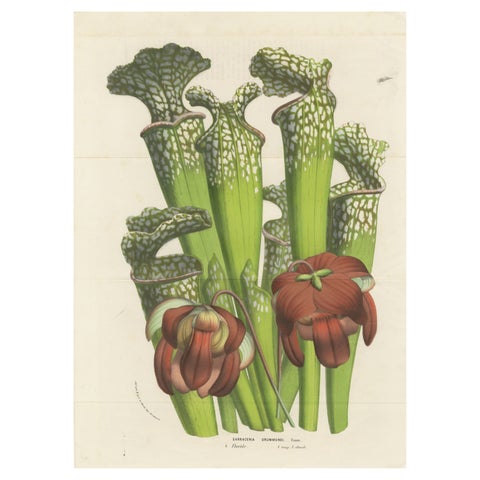
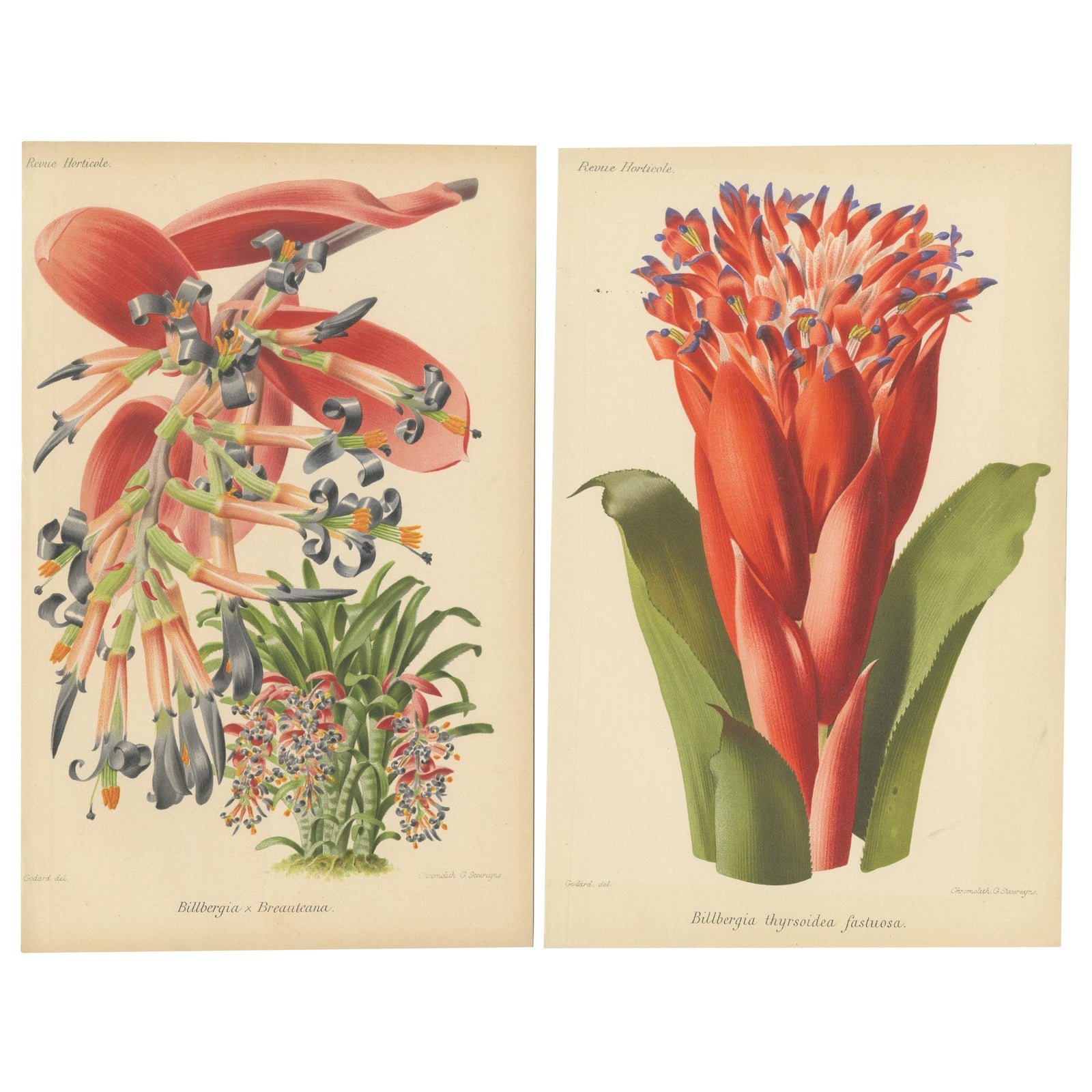
Stunning Bromeliads: Queen's Tears and Flaming Torch in Artful Display, c.1855
No. f_41424652185516 × 25 cm
Close-ups
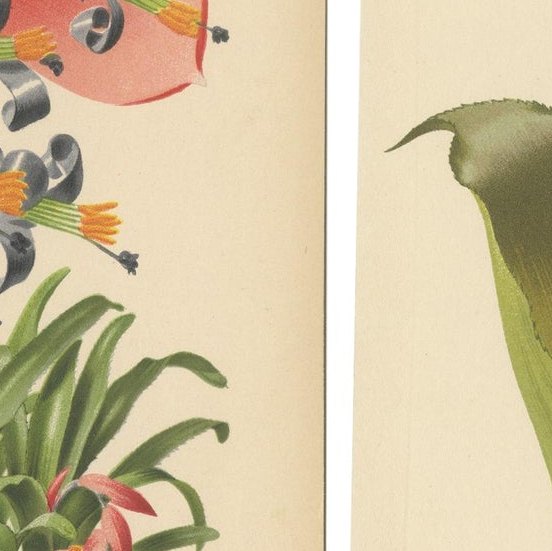
Framed and on the wall
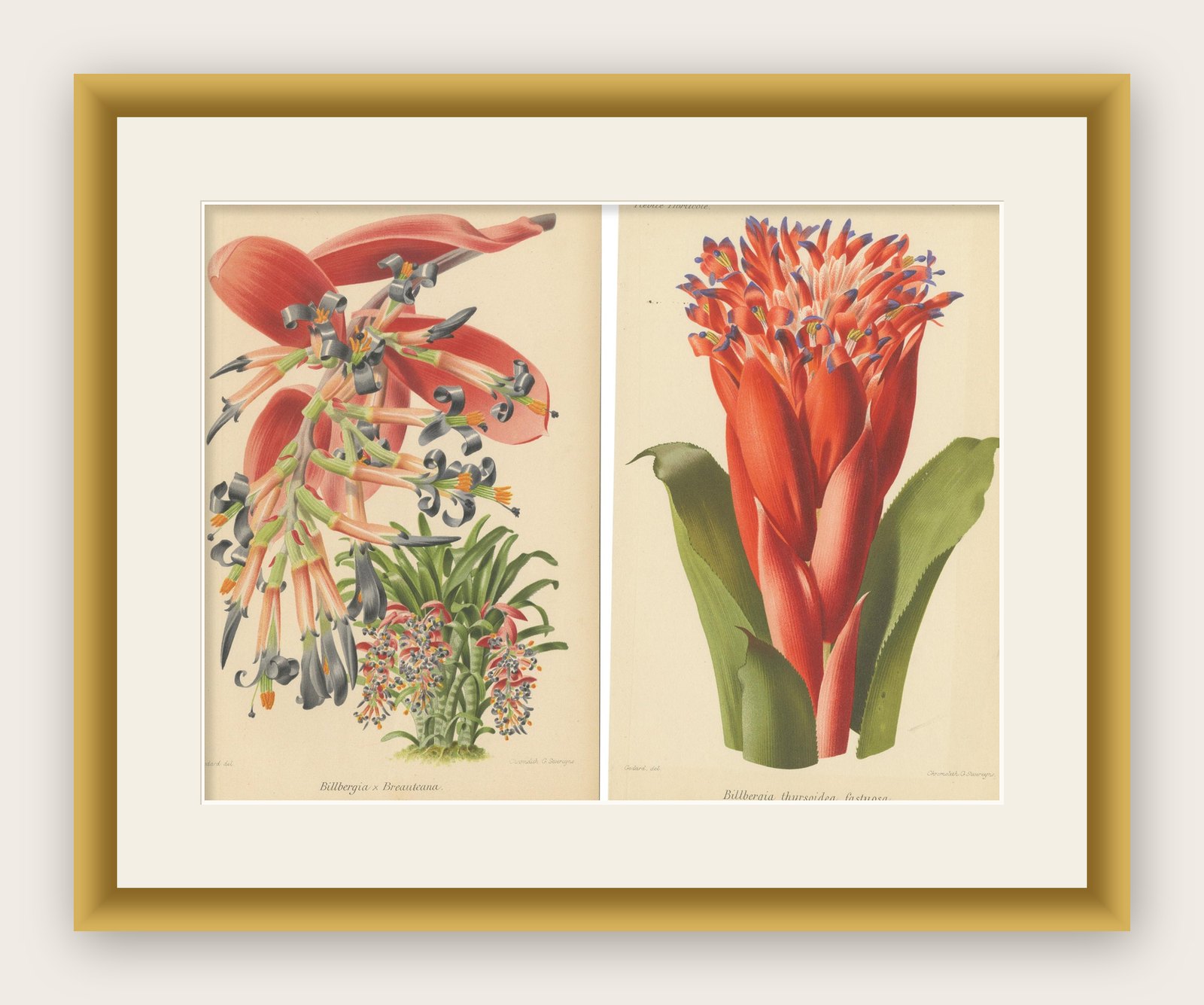


Frame and rooms are illustrations of how the print could look, drawn to its real size; it is sold unframed unless the description says otherwise.
Flowers
Stunning Bromeliads: Queen's Tears and Flaming Torch in Artful Display, c.1855
$270
€240 · £205
Original print, not a reproduction
Ships worldwide from the Netherlands, flat, insured and tracked. 14-day returns. To buy, use Ask a question (info@originalbotanicalprints.com) and we will reserve it for you.
- Date
- 1855
- Sheet size
- 9.8 × 6.3 in (25 × 16 cm)
- Condition
- Very good, given age. General age-related toning and/or occasional minor defects from handling. Please study scan carefully.
- Collection
- Flowers
- Era
- 1850 and after, Chromolithographs and plant hunters
- Stock no.
- f_41424652
The prints are from "Revue Horticole," a prominent horticultural periodical known for its high-quality botanical illustrations, which served both educational and ornamental purposes. The illustrations were executed by the noted chromolithographer, P. de Pannemaeker or Severeyns, who were both key figures in the production of botanical art during the 19th century, often working for Belgian publications.
Details about the Maker, Publisher, and Publication:
- Maker: The chromolithographs were likely produced by P. de Pannemaeker or Severeyns, renowned for their expertise in chromolithography, a technique widely used in the 19th century for reproducing color in prints.
- Publisher: The publisher, "Revue Horticole," was a French journal that focused on the horticultural industry and botanical sciences, regularly featuring detailed botanical plates.
- Publication Date: These prints are from an unspecified volume but "Revue Horticole" was published in the 19th century, particularly thriving during the mid to late 1800s.
Plant Identification and Significance:
1. First Print:
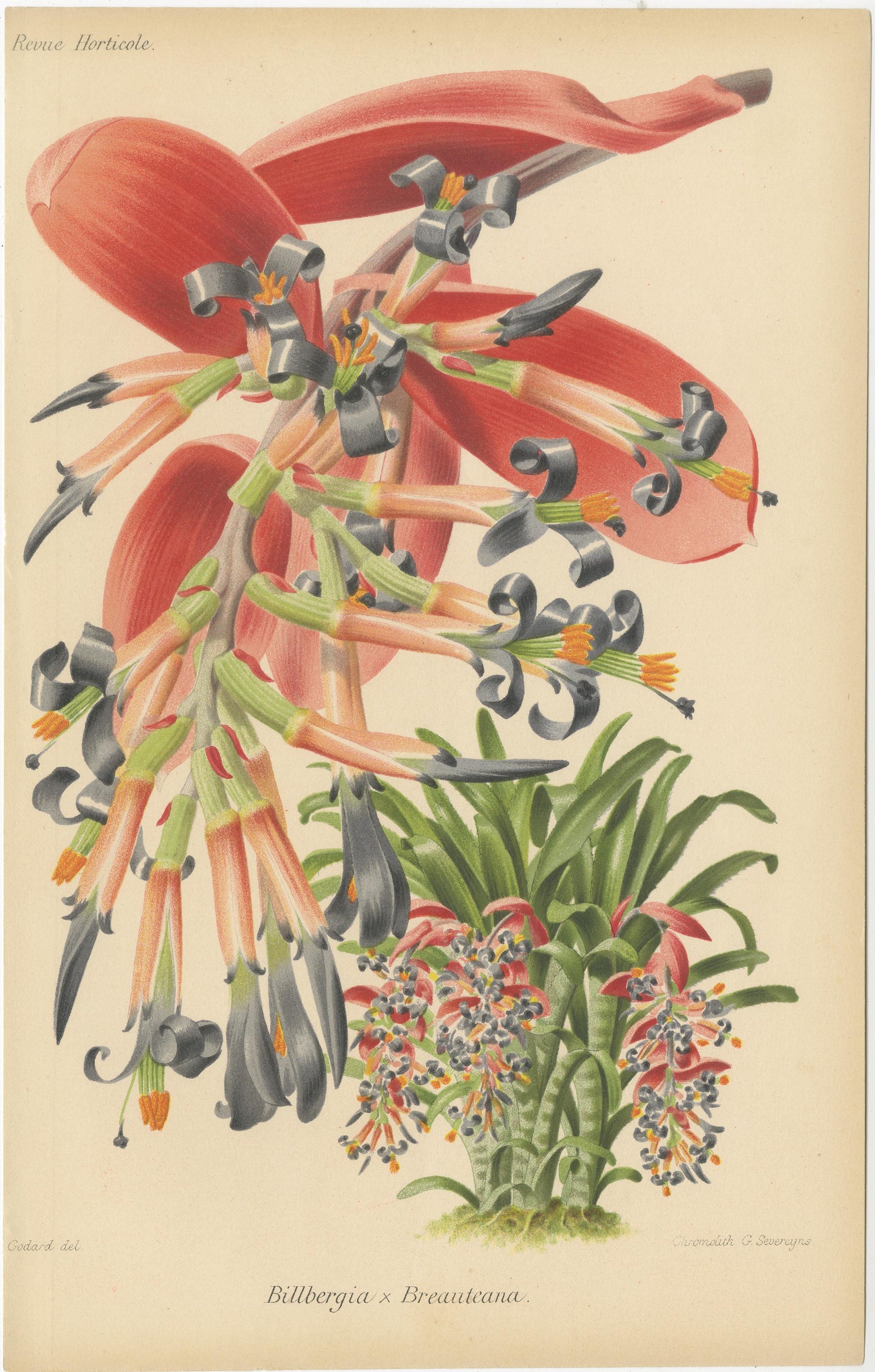
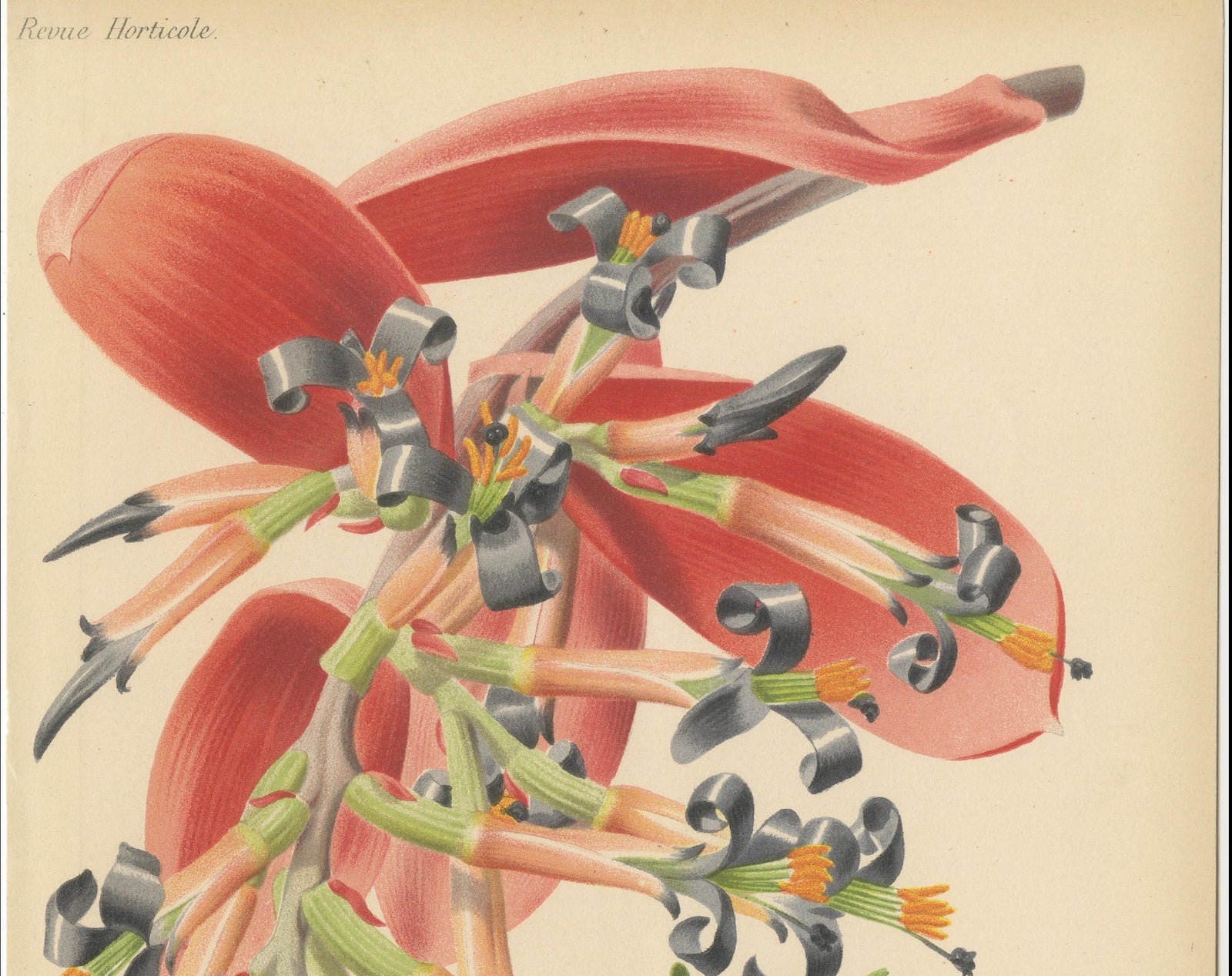
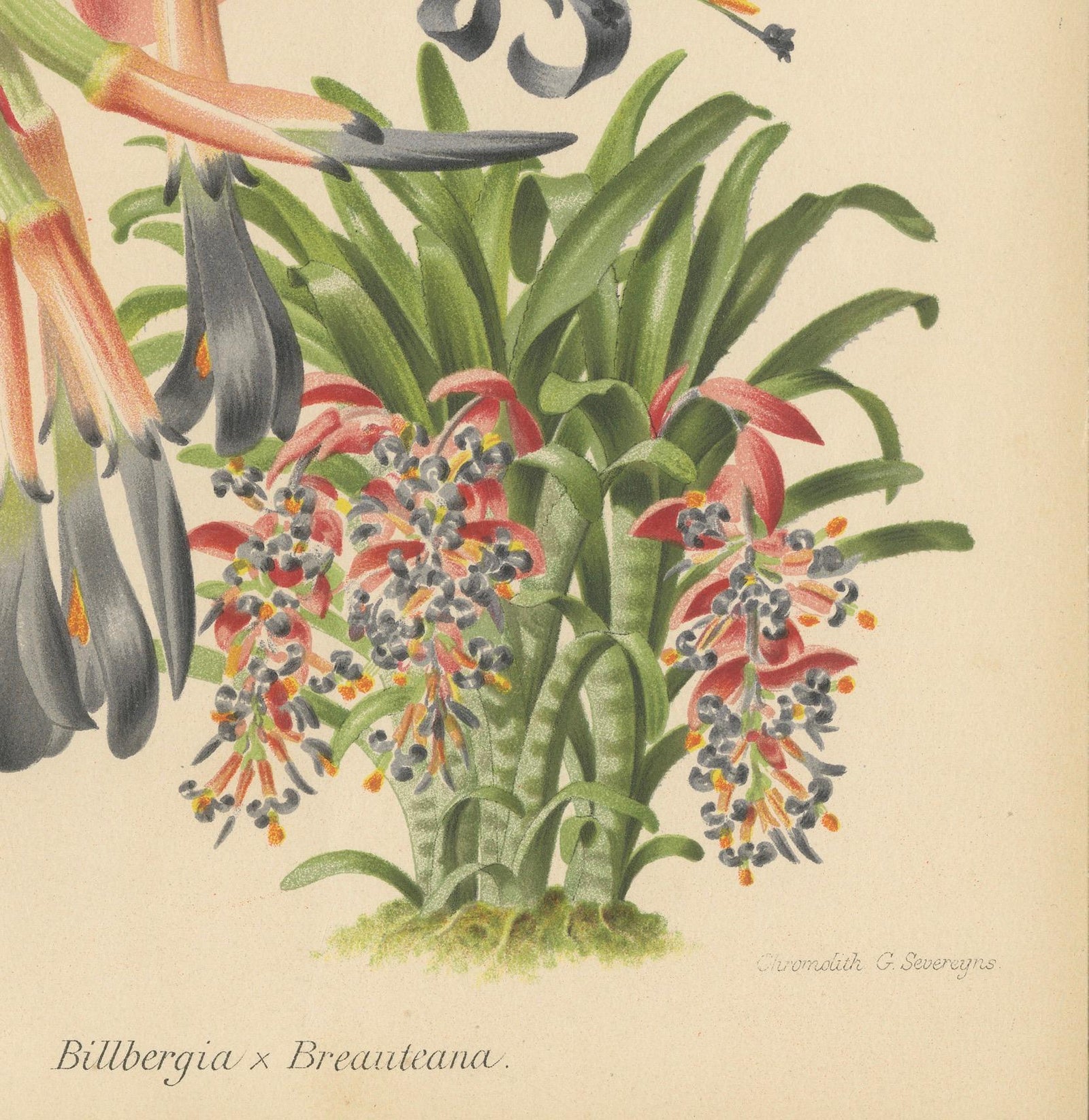
, Botanical Name: Billbergia × 'Breuteliana'
, Common English Name: Queen's Tears
, Special Attributes: Known for its drooping clusters of green, blue, and pink flowers, Queen's Tears is a bromeliad that's both aesthetically pleasing and easy to care for. It gets its name from the tear-like droplets that sometimes appear on the flower petals.
2. Second Print:
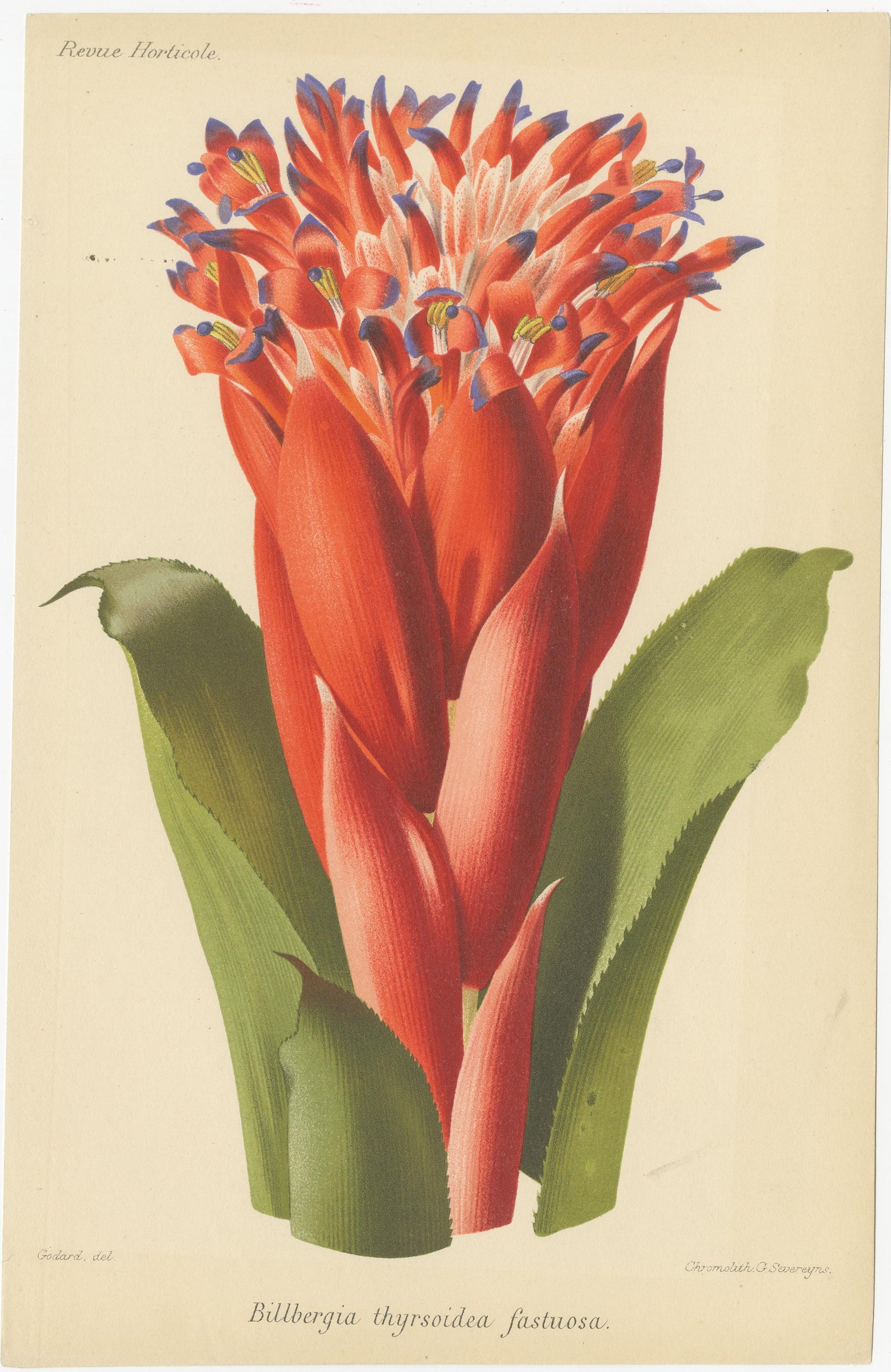
, Botanical Name: Billbergia thyrsoides 'Fastuosa'
, Common English Name: Flaming Torch
, Special Attributes: This plant is admired for its upright, bright red floral bracts and striking blue flowers, earning its name from the torch-like appearance of its bloom. It's particularly noted for its ornamental use in subtropical and tropical gardens.
Special Significance:
These plants are especially notable for their unique inflorescences and vibrant colors, which make them popular in ornamental horticulture. Their resilience and low maintenance needs make them suitable for indoor cultivation, appealing to both amateur and professional gardeners.
Technique Used:
The technique used for these prints is chromolithography, a method for making multi-color prints. This process involves using multiple lithographic stones, each inked with a different color and carefully aligned to produce the final image. Chromolithography was celebrated for its ability to produce vibrant, detailed, and accurate representations of original artworks, making it particularly suited for detailed botanical illustrations like those in "Revue Horticole."
These factors combine to make the prints not only a beautiful artistic addition but also a valuable educational tool for those interested in botany and horticulture.
Explore